
Search
Human cells can exchange genomic DNA that alters cell behavior: Newsroom - UT Southwestern, Dallas, Texas
https://www.utsouthwestern.edu/newsroom/articles/year-2026/may-cri-human-cells-dna.html
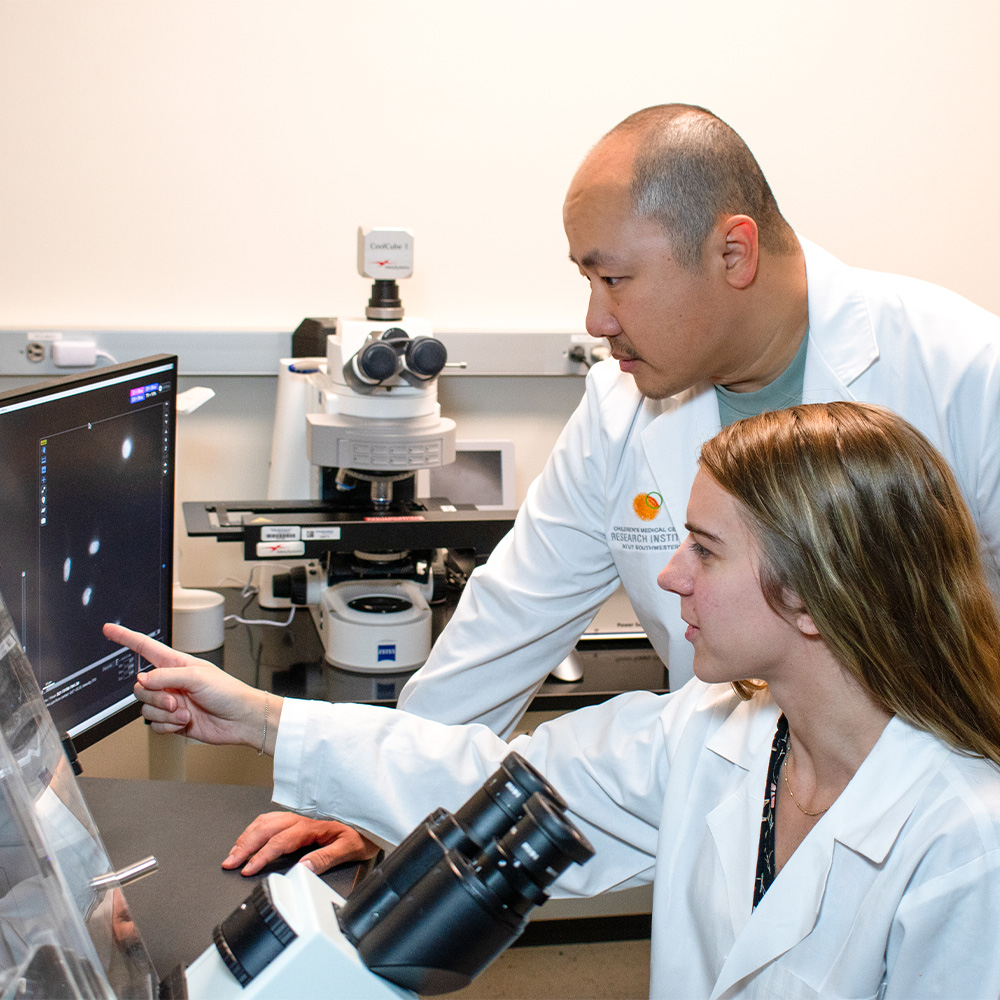
Scientists at Children’s Medical Center Research Institute at UT Southwestern (CRI) have discovered that large pieces of DNA can transfer directly between human cells, and the DNA can persist and change how the recipient cell functions.
How cancer cells don their invisibility cloaks - UT Southwestern, Dallas, Texas
https://www.utsouthwestern.edu/newsroom/articles/year-2020/how-cancer-cells-don-their-invisibility-cloaks.html
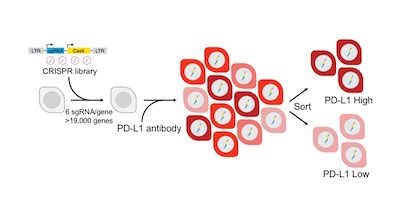
Immunotherapy drugs that target a protein called programmed death ligand 1 (PD-L1) on the surface of cancer cells have quickly become a mainstay to treat many forms of cancer, often with dramatic results.
Two UT Southwestern scientists selected as HHMI Hanna Gray Fellows : Newsroom - UT Southwestern, Dallas, Texas
https://www.utsouthwestern.edu/newsroom/articles/year-2022/september-hanna-h-gray-fellows-program.html

Two UT Southwestern postdoctoral fellows – Gabriel Muhire Gihani, Ph.D., and Victor Lopez, Ph.D. – are among 25 early career scientists in the United States selected as 2022 Hanna H. Gray Fellows.
Boosting the immune system's appetite for cancer - UT Southwestern, Dallas, Texas
https://www.utsouthwestern.edu/newsroom/articles/year-2020/boosting-the-immune-systems-appetite-for-cancer.html
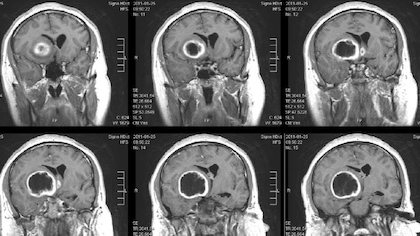
A combination of immunotherapy agents that encourages some immune cells to eat cancer cells and alert others to attack tumors put mice with a deadly type of brain cancer called glioblastoma into long-term remission
Ovarian cancer cells use stress hormone signaling to shut down immune system: Newsroom - UT Southwestern, Dallas, Texas
https://www.utsouthwestern.edu/newsroom/articles/year-2026/may-ovarian-cancer-cells-immune-system.html
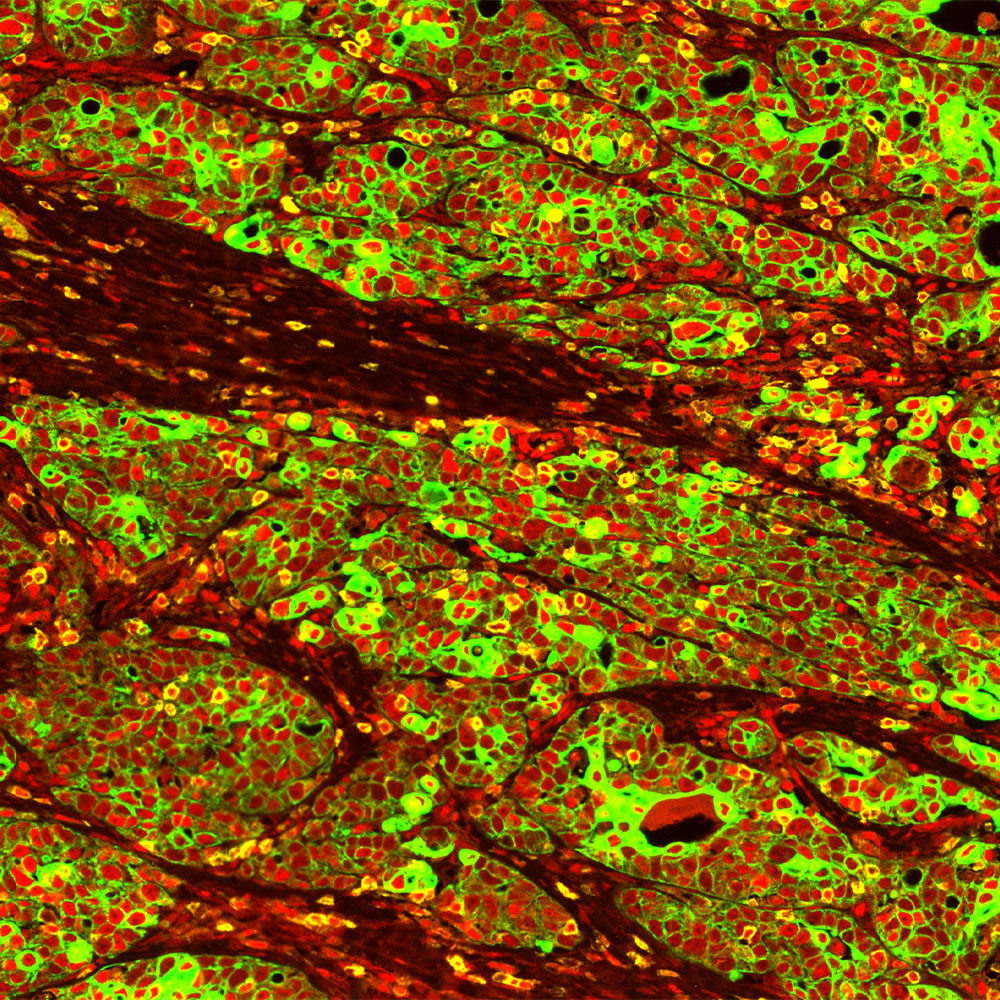
When activated in ovarian cancer cells, the receptor for the body’s primary stress hormone alters the tumor environment in ways that blunt immune response, according to new research led by UT Southwestern Medical Center.
Where cancers go could guide their treatment - UT Southwestern, Dallas, Texas
https://www.utsouthwestern.edu/newsroom/articles/year-2020/where-cancers-go-could-guide-their-treatment.html
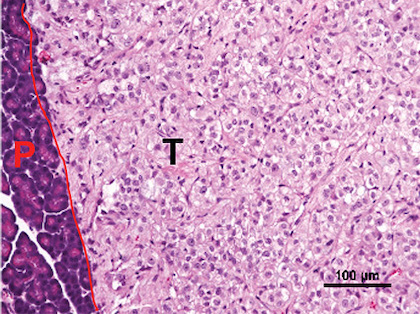
Kidney cancers that metastasize to the pancreas have a fundamentally different biology from those that metastasize elsewhere
Tumors hijack the cell death pathway to live: Newsroom - UT Southwestern, Dallas, Texas
https://www.utsouthwestern.edu/newsroom/articles/year-2020/tumors-hijack-the-cell-death-pathway-to-live.html
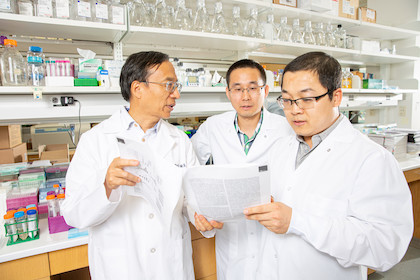
Cancer cells avoid an immune system attack after radiation by commandeering a cell signaling pathway that helps dying cells avoid triggering an immune response
The secret of lymph: How lymph nodes help cancer cells spread : Newsroom - UT Southwestern, Dallas, Texas
https://www.utsouthwestern.edu/newsroom/articles/year-2020/lymph-nodes-help-cancer-cells-spread.html
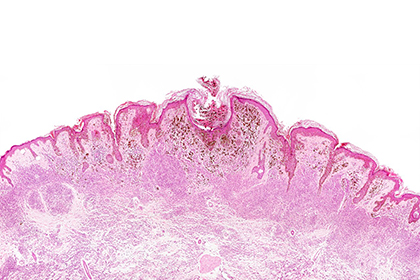
For decades, physicians have known that many kinds of cancer cells often spread first to lymph nodes before traveling to distant organs through the bloodstream.
UTSW genetic study confirms sarin nerve gas as cause of Gulf War illness: Newsroom - UT Southwestern, Dallas, Texas
https://www.utsouthwestern.edu/newsroom/articles/year-2022/sarin-nerve-gas-gulf-war-illness.html

For three decades, scientists have debated the underlying cause of Gulf War illness (GWI), a collection of unexplained and chronic symptoms affecting veterans of the Persian Gulf War.
Selfies may drive plastic surgery by distorting facial features: Newsroom - UT Southwestern, Dallas, Texas
https://www.utsouthwestern.edu/newsroom/articles/year-2022/selfies-may-drive-plastic-surgery.html
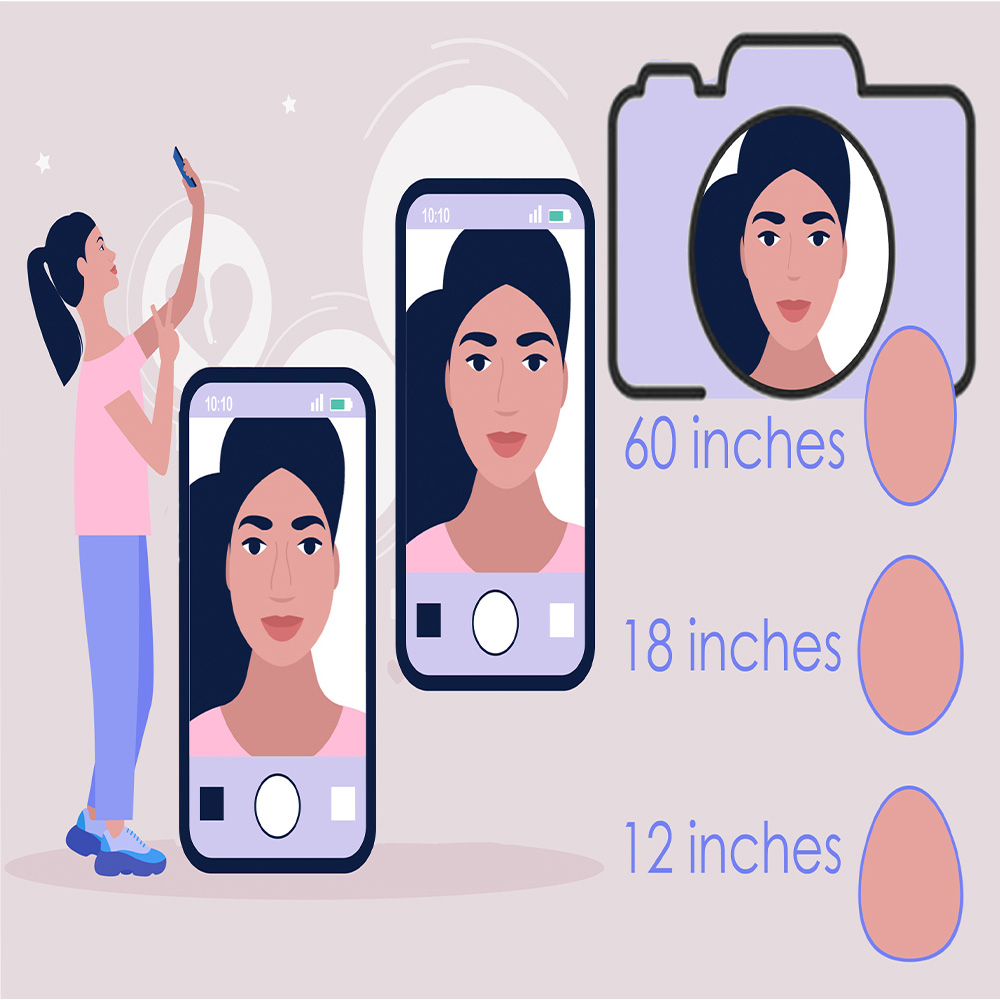
Cellphone “selfies” distort facial features, an effect that may be driving an uptick in requests for plastic surgery, UT Southwestern researchers show in a new study.