
Search
UT Southwestern diabetes expert recommends paradigm shift in treatment of Type 2 diabetes to focus on weight loss: Newsroom - UT Southwestern, Dallas, Texas
https://www.utsouthwestern.edu/newsroom/articles/year-2021/paradigm-shift-in-treatment-of-type-2-diabetes.html

An international panel of experts from four renowned diabetes research centers, including UT Southwestern Medical Center, has reviewed current literature and is recommending a pivotal change in treatment of Type 2 diabetes to focus on obesity first and glucose control second.
Former NFL players may not suffer more severe cognitive impairment than others, study indicates : Newsroom - UT Southwestern, Dallas, Texas
https://www.utsouthwestern.edu/newsroom/articles/year-2020/professional-athletes-cognative-impairment.html

Even though repeated hits to the head are common in professional sports, the long-term effects of concussions are still poorly understood.
Casting call: Why immobilizing helps in healing: Newsroom - UT Southwestern, Dallas, Texas
https://www.utsouthwestern.edu/newsroom/articles/year-2020/why-immobilizing-helps-in-healing.html
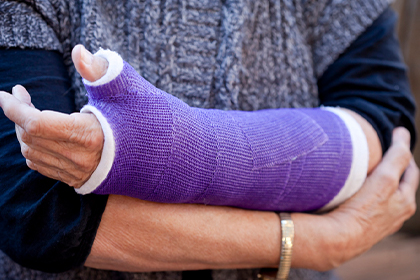
Immobilization is the most common treatment, and yet, until recently, it was unknown exactly why this technique worked to advance healing.
UT Southwestern detects first reported B.1.617.2 (Indian) variant in North Texas: Newsroom - UT Southwestern, Dallas, Texas
https://www.utsouthwestern.edu/newsroom/articles/year-2021/indian-variant-in-north-texas.html
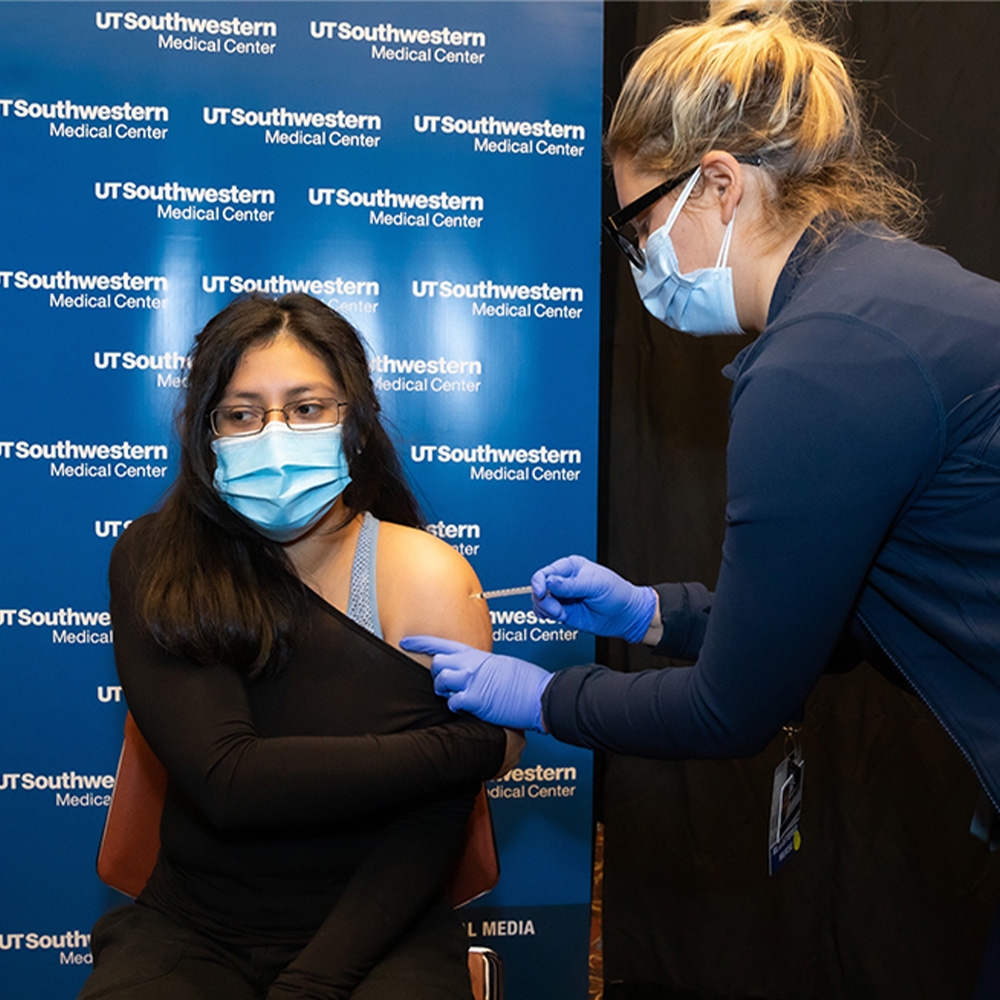
UT Southwestern Medical Center scientists have identified the first two cases of the B.1.617.2 (Indian origin) variant of COVID-19 infection in North Texas using next-generation sequencing technologies along with targeted PCR testing.
How human cells and pathogenic shigella engage in battle: Newsroom - UT Southwestern, Dallas, Texas
https://www.utsouthwestern.edu/newsroom/articles/year-2021/human-cells-and-pathogenic-shigella.html
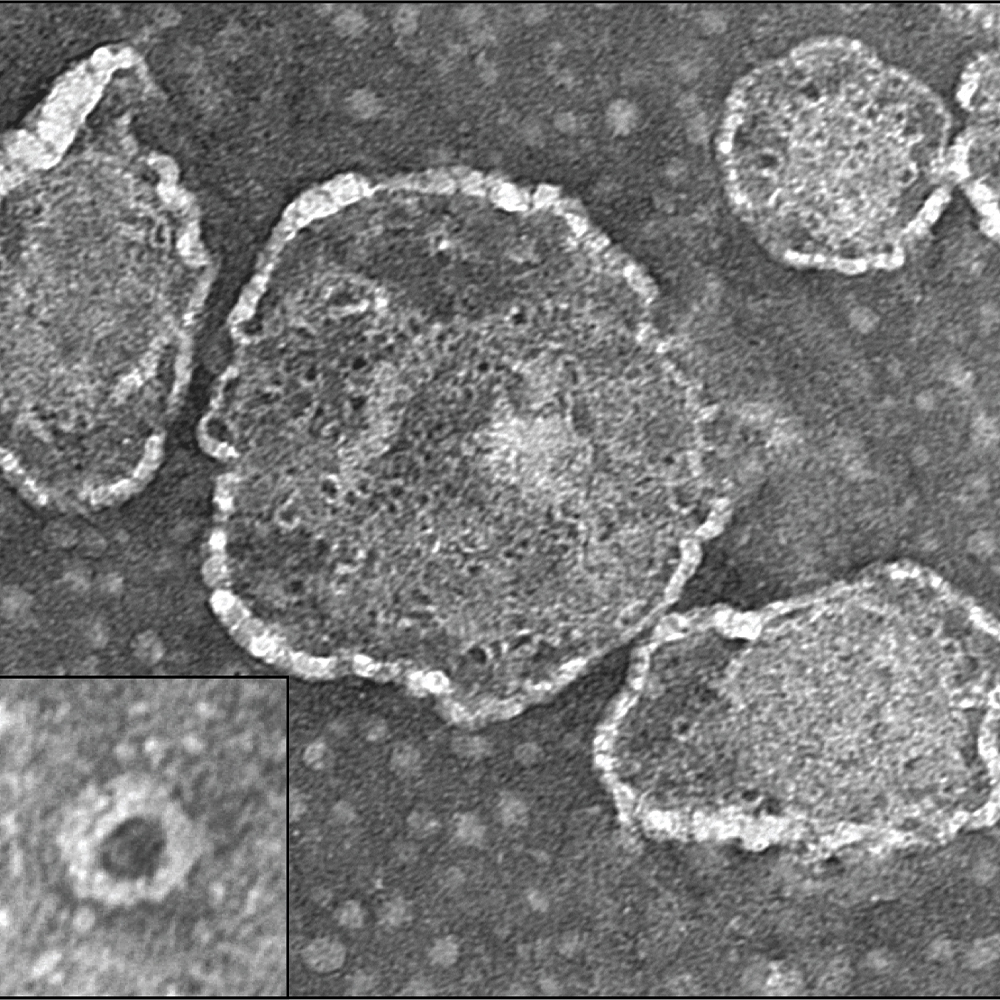
One member of a large protein family that is known to stop the spread of bacterial infections by prompting infected human cells to self-destruct appears to kill the infectious bacteria instead.
Scientists discover “jumping” genes that can protect against blood cancers : Newsroom - UT Southwestern, Dallas, Texas
https://www.utsouthwestern.edu/newsroom/articles/year-2021/scientists-discover-jumping-genes.html
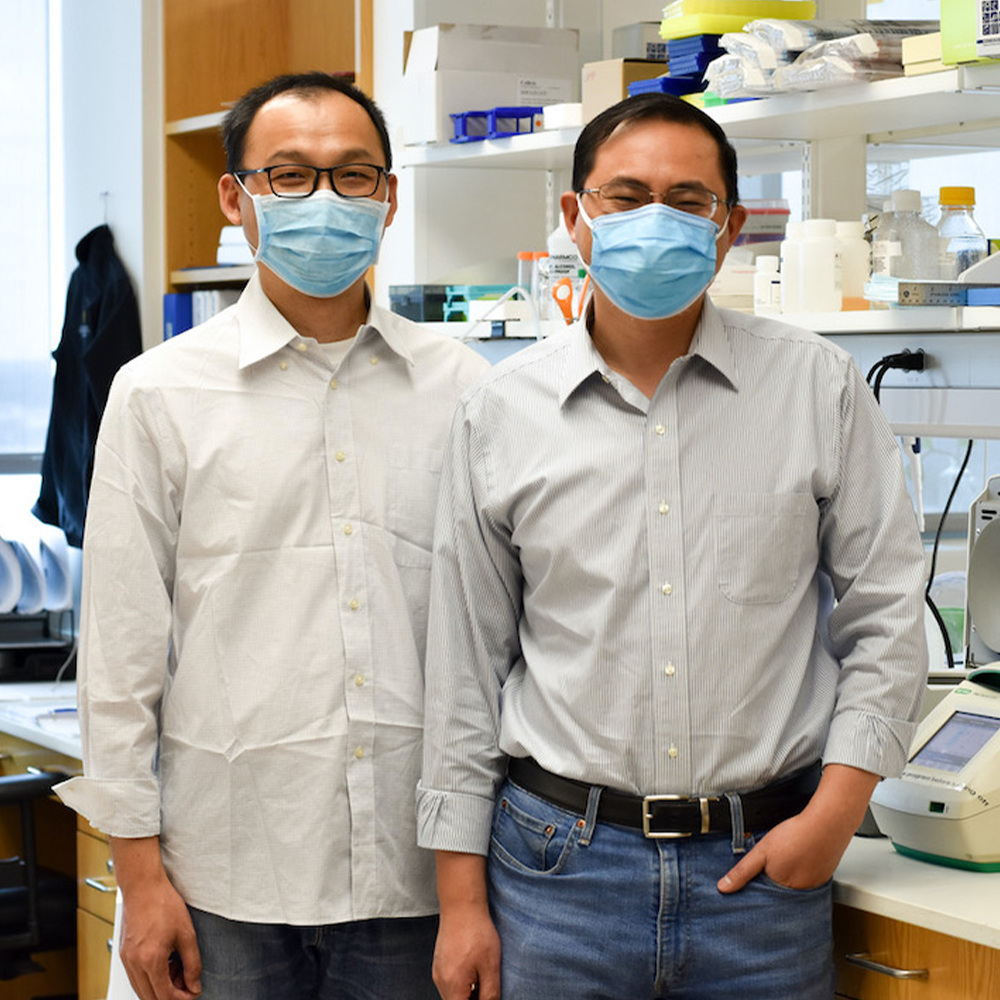
New research has uncovered a surprising role for so-called “jumping” genes that have traditionally been considered a source of genetic mutations responsible for a number of human diseases.
Time is not on their side: Physicians face barriers to voting : Newsroom - UT Southwestern, Dallas, Texas
https://www.utsouthwestern.edu/newsroom/articles/year-2020/physicians-face-barriers-to-voting.html
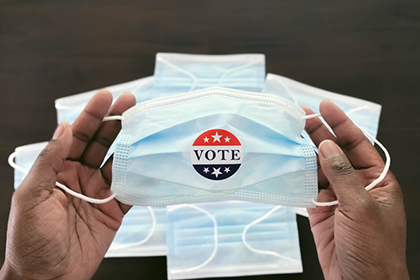
Two new UT Southwestern studies published today report some surprising findings: Only half of practicing physicians are registered to vote, and the most common obstacle faced by resident physicians is the lack of time to vote.
Attacking tumors from the inside: Newsroom - UT Southwestern, Dallas, Texas
https://www.utsouthwestern.edu/newsroom/articles/year-2020/attacking-tumors-from-the-inside.html
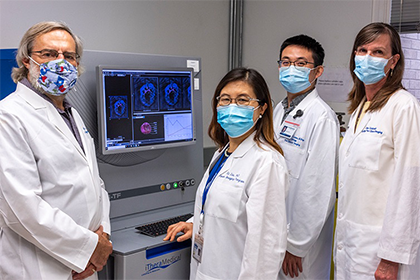
A new technology that allows researchers to peer inside malignant tumors shows that two experimental drugs can normalize aberrant blood vessels, oxygenation, and other aspects of the tumor microenvironment in non-small cell lung cancer (NSCLC), helping to suppress the tumor’s growth and spread, UT Southwestern researchers report.
UT Southwestern scientists among top 1% of highly cited researchers across the globe: Newsroom - UT Southwestern, Dallas, Texas
https://www.utsouthwestern.edu/newsroom/articles/year-2022/november-highly-cited-researchers.html
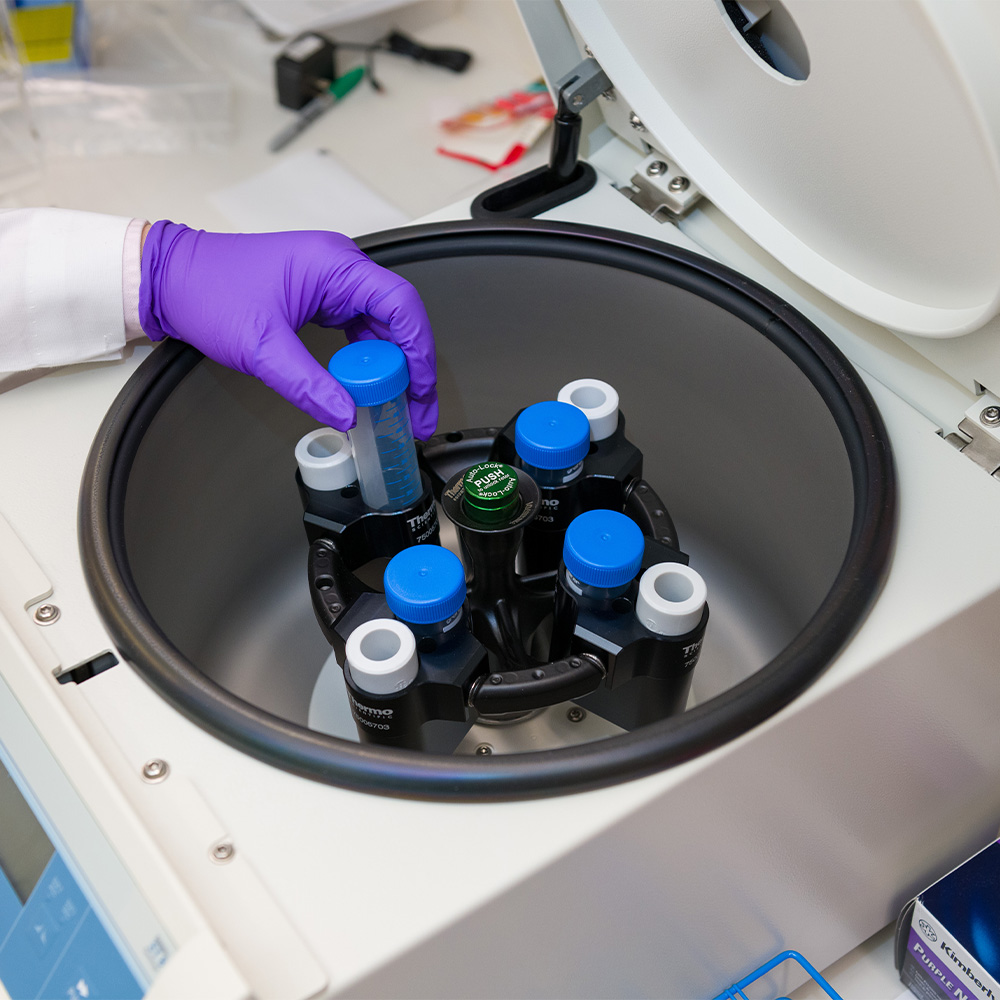
More than 20 UT Southwestern Medical Center scientists are among the 2022 Highly Cited Researchers listed in the top 1% of researchers from across the globe who have demonstrated significant and broad influence in their chosen field or fields of research.
UT Southwestern study highlights racial bias factors in physician assistant training: Newsroom - UT Southwestern, Dallas, Texas
https://www.utsouthwestern.edu/newsroom/articles/year-2022/october-racial-bias-factors.html

Physician assistant (PA) programs need to actively engage Black/African American students to help address issues of systemic racism, according to a new study.