
Search
UT Southwestern participating in national initiative to sequence pediatric brain tumors : Newsroom - UT Southwestern, Dallas, Texas
https://www.utsouthwestern.edu/newsroom/articles/year-2022/july-pediatric-brain-tumors.html
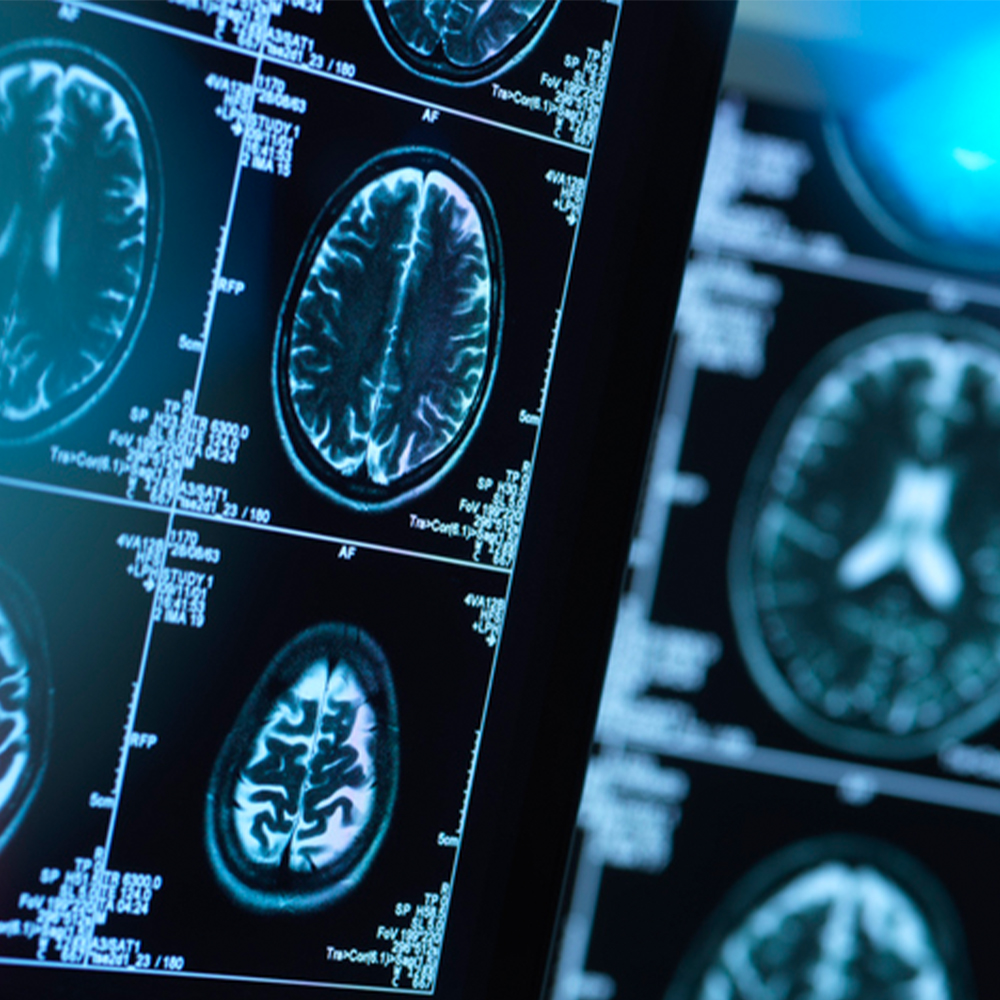
UT Southwestern is joining with medical centers around the nation to apply advanced sequencing to pediatric brain tumors as part of the National Cancer Institute’s new Molecular Characterization Initiative, a subset of the Cancer Moonshot Childhood Cancer Initiative.
Dominant form of heart failure caused by metabolic-immune interaction, review article suggests: Newsroom - UT Southwestern, Dallas, Texas
https://www.utsouthwestern.edu/newsroom/articles/year-2022/dominant-form-of-heart-failure.html
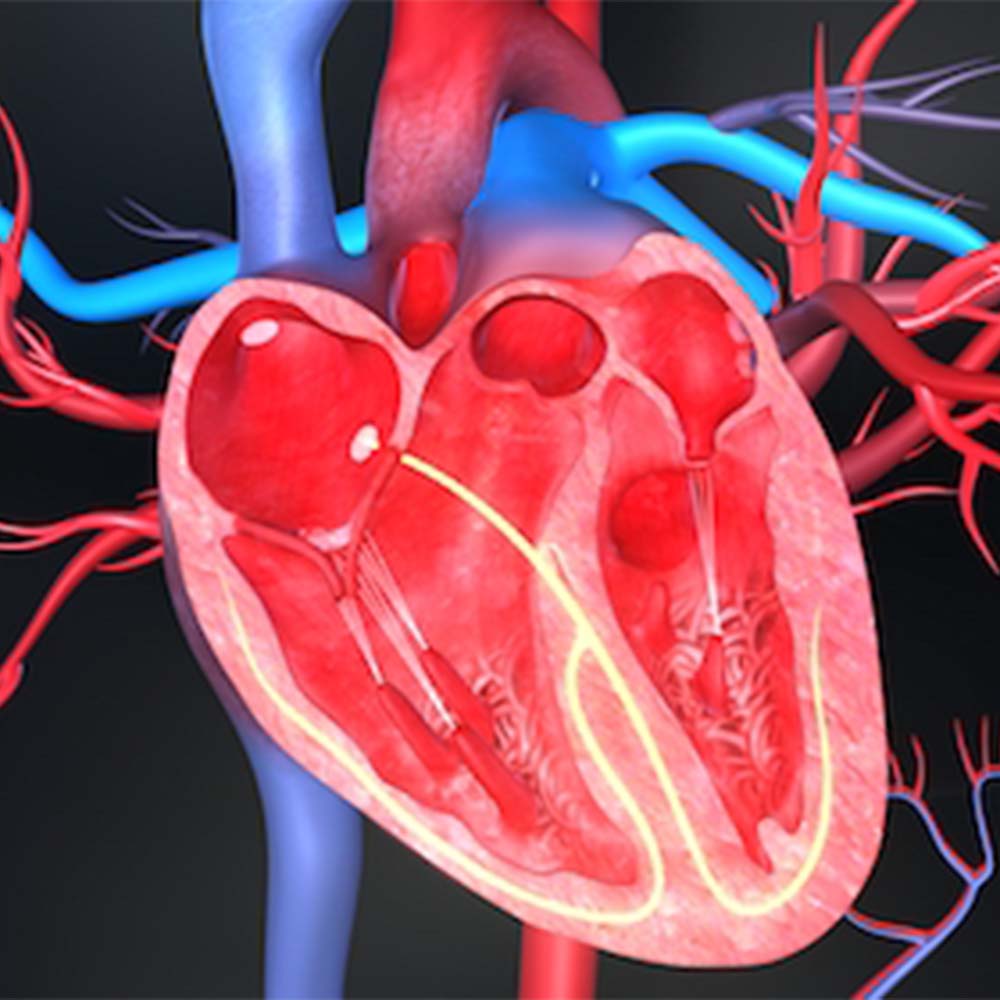
The dominant form of heart failure worldwide appears to be caused by a strong, bidirectional interaction between the body’s response to metabolic stress and the immune system, according to a review article written by UT Southwestern researchers and colleagues.
Regenerating cells that keep the beat: Newsroom - UT Southwestern, Dallas, Texas
https://www.utsouthwestern.edu/newsroom/articles/year-2021/regenerating-cells-that-keep-the-beat.html
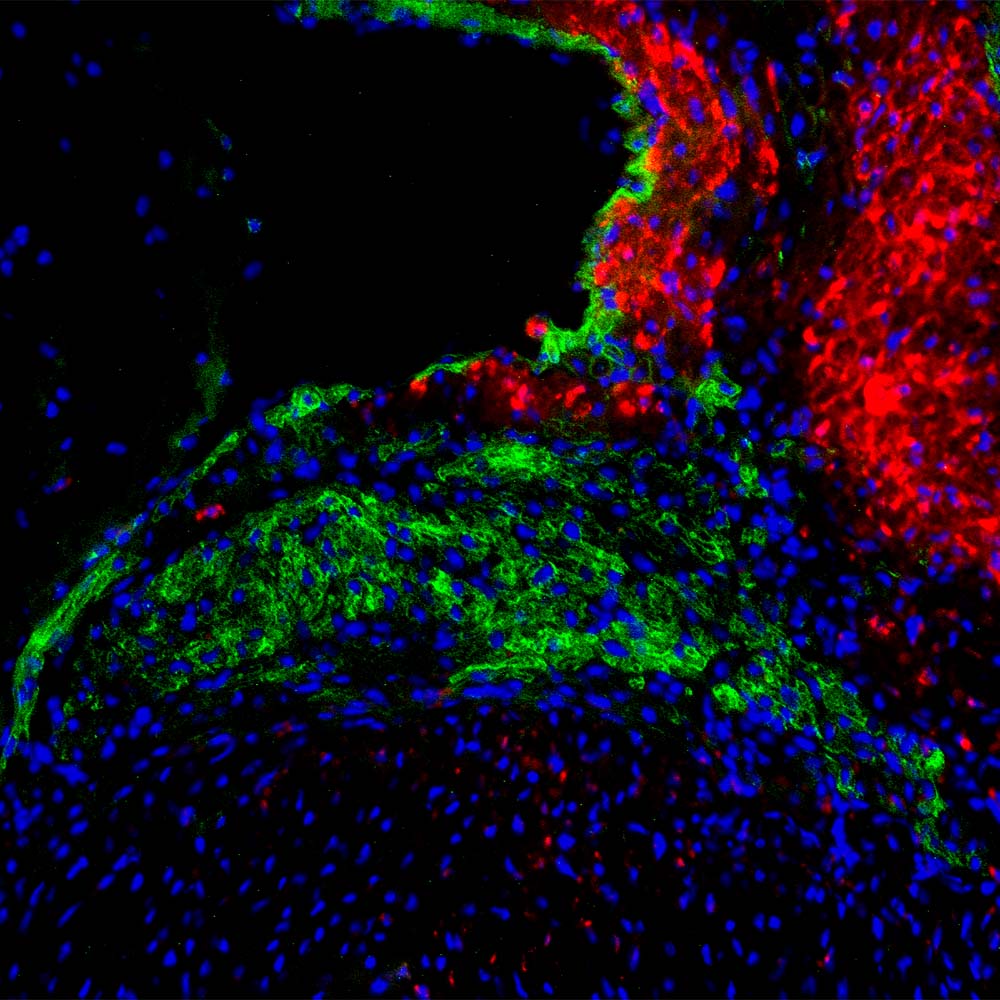
Specialized cells that conduct electricity to keep the heart beating have a previously unrecognized ability to regenerate in the days after birth, a new study in mice by UT Southwestern researchers suggests.
NIH awards UT Southwestern researchers $4.4 million to study the genetic basis of vocal learning: Newsroom - UT Southwestern, Dallas, Texas
https://www.utsouthwestern.edu/newsroom/articles/year-2021/roberts-takahashi-nih-awards.html
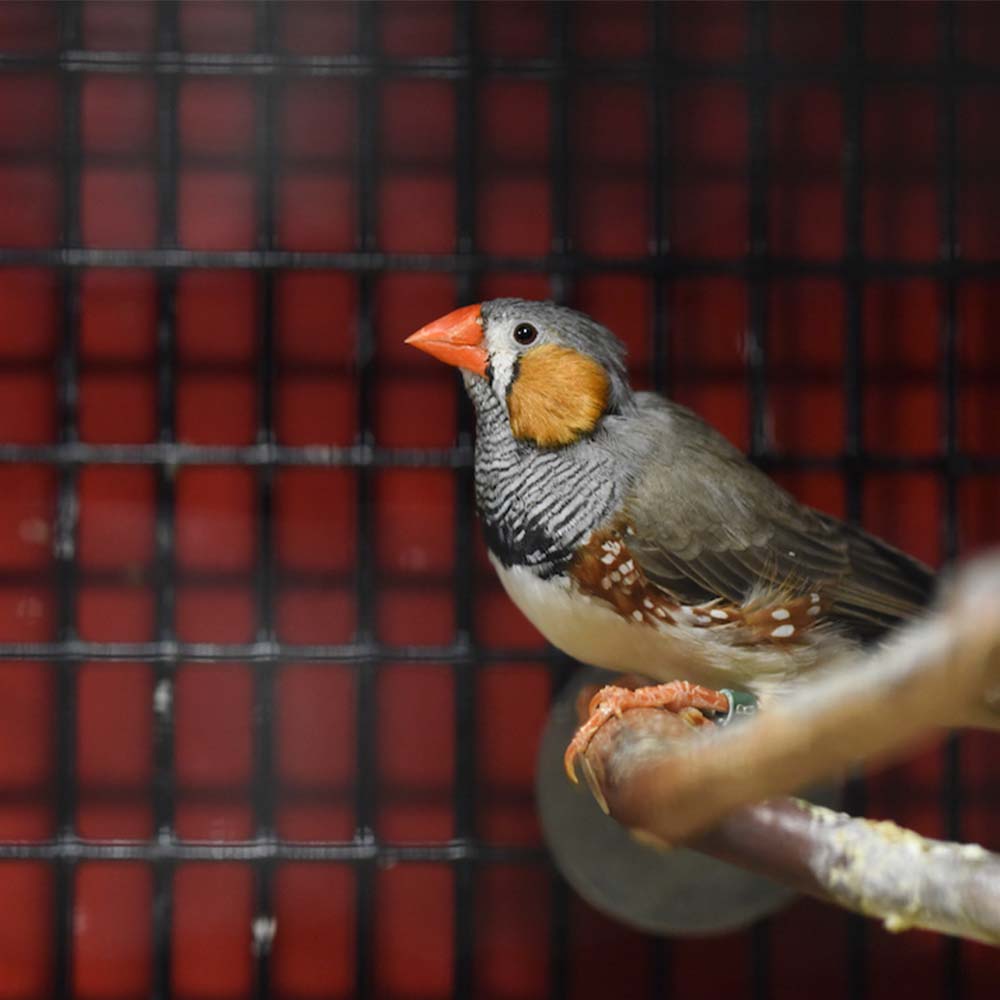
A UT Southwestern research team has received the National Institutes of Health’s prestigious Transformative Research Award to further their study of zebra finches to investigate the genetic basis of vocal imitation abilities.
UT Southwestern designated founding Rare Disease Center of Excellence : Newsroom - UT Southwestern, Dallas, Texas
https://www.utsouthwestern.edu/newsroom/articles/year-2021/rare-disease-center-of-excellence.html
UT Southwestern Medical Center has been selected as a Rare Disease Center of Excellence – charter members of an elite network of 31 centers nationally to expand access, and advance care and research for rare disease patients in the United States.
UT Southwestern diabetes researchers show gene editing can turn storage fat cells into energy-burning fat cells: Newsroom - UT Southwestern, Dallas, Texas
https://www.utsouthwestern.edu/newsroom/articles/year-2021/energy-burning-fat-cells.html
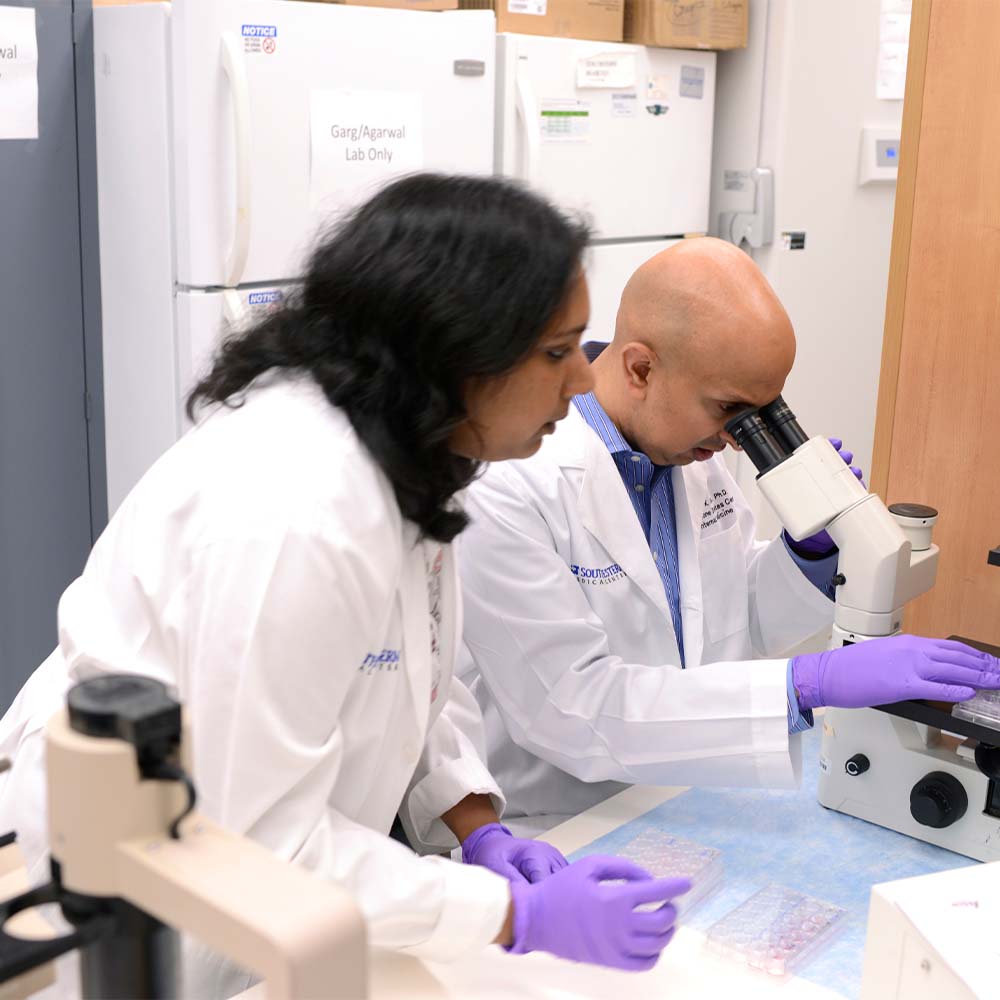
A team of researchers at UT Southwestern Medical Center’s Touchstone Diabetes Center have successfully used CRISPR gene editing to turn fat cells normally used for storage into energy-burning cells.
Diabetes drug metformin may protect against radiation exposure: Newsroom - UT Southwestern, Dallas, Texas
https://www.utsouthwestern.edu/newsroom/articles/year-2024/aug-diabetes-drug-metformin.html

Metformin, a well-tolerated diabetes drug prescribed to as many as 150 million people worldwide, may also protect cells from radioactive damage, UT Southwestern Medical Center researchers report.
Activating cerebellum shows promise for neurocognitive therapy: Newsroom - UT Southwestern, Dallas, Texas
https://www.utsouthwestern.edu/newsroom/articles/year-2024/jan-cerebellum-neurocognitive-therapy.html
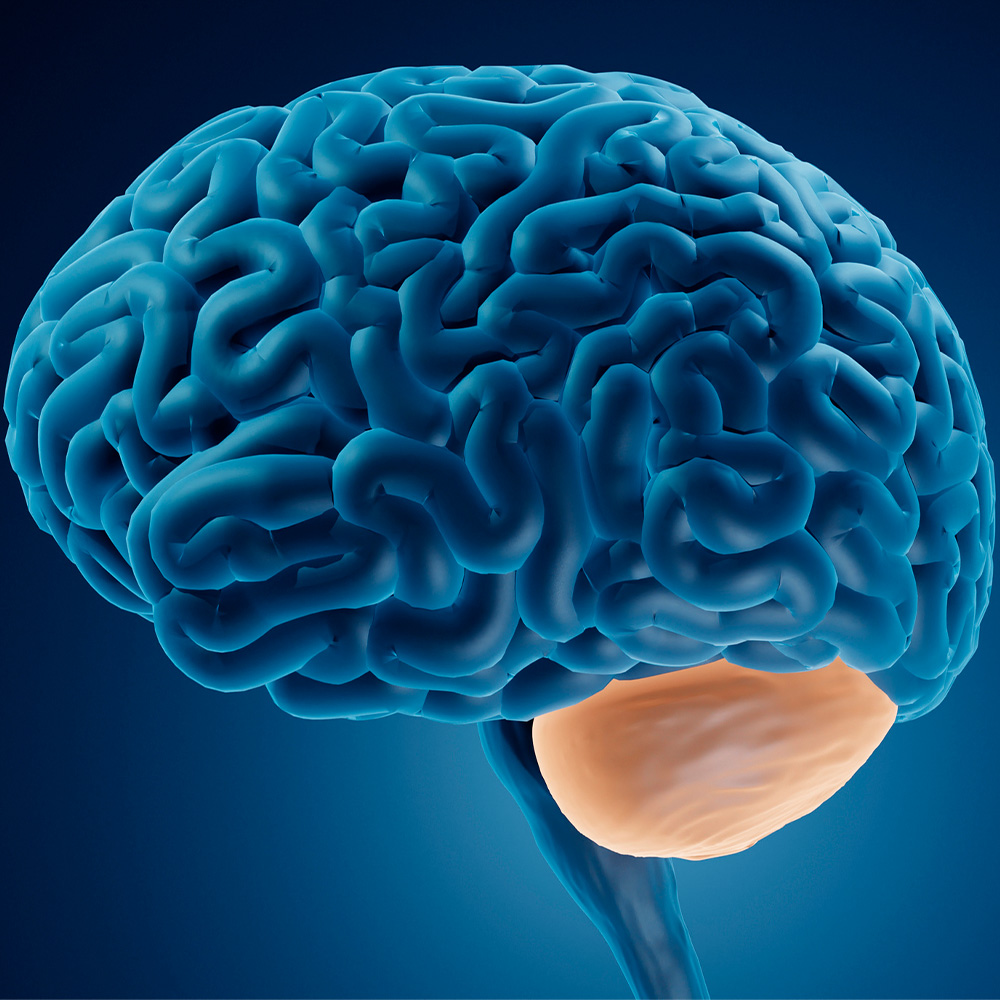
A study of mutant models of fragile X syndrome (FXS), a genetic disorder related to autism and intellectual disability, shows that activation of the cerebellum mitigates aberrant responses in sensory processing areas of the brain and improves neurodevelopmental behaviors.
Mutations protected mice from B-cell cancers: Newsroom - UT Southwestern, Dallas, Texas
https://www.utsouthwestern.edu/newsroom/articles/year-2024/may-b-cell-cancers.html
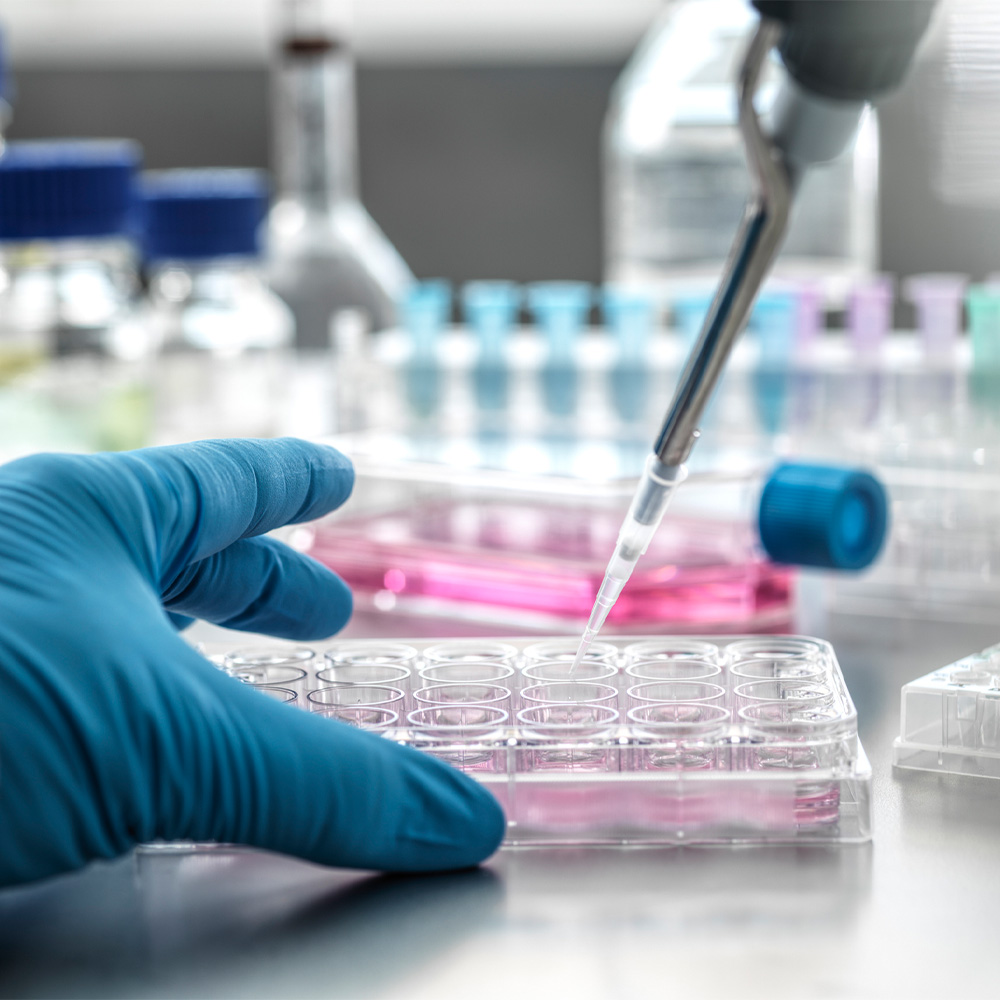
By completely or even partially depleting a protein called midnolin in B cells, UT Southwestern Medical Center researchers suppressed leukemia and lymphoma in a mouse model genetically prone to these cancers.
Unraveling the mystery of misfolded proteins in the brain: Newsroom - UT Southwestern, Dallas, Texas
https://www.utsouthwestern.edu/newsroom/articles/year-2024/april-misfolded-proteins-in-the-brain.html
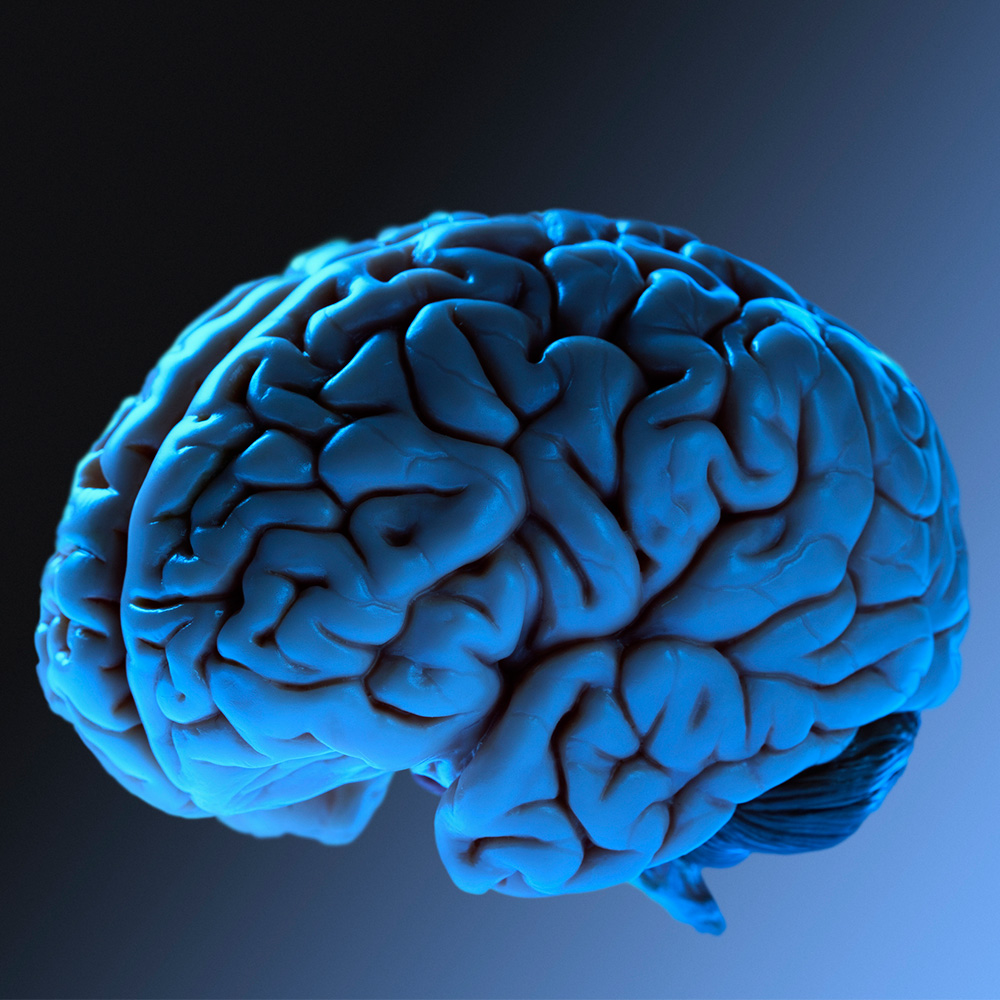
Proteins known as oligomeric chaperones help suppress the formation of misshaped proteins that cause a variety of degenerative and neurodegenerative diseases, such as Alzheimer’s, Huntington’s, and Parkinson’s.