
Highlighted Research Activities
Our faculty performs cutting-edge clinical, translational, and basic science research in the pathogenesis and treatment of infectious diseases, including HIV, CNS viral infections, hepatitis C virus, respiratory tract infections, and gram-negative bacterial infections.
Laboratory-Based and Basic Sciences

Clinical & Research Interests:
Arbovirus Pathogenesis
Neuroimmunology and neurodegeneration
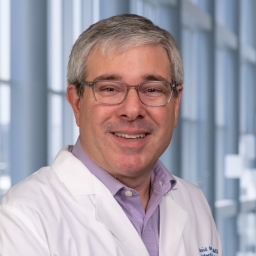
Clinical & Research Interests:
Antibiotic resistance
Novel therapeutics
Genomics
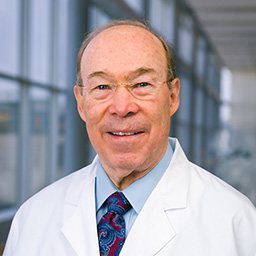
Clinical & Research Interests:
Epidemiology
Prevention of hospital-aquired infections
Prevention of West Nile Virus epidemics
Epidemiologic investigations of Gulf War illness
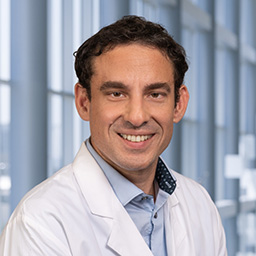
Theodoros Kelesidis, M.D., Ph.D.
Clinical & Research Interests:
Antibiotic resistance
Novel therapeutics
Genomics

Clinical & Research Interests:
Antibody effector functions
Antibody glycosylation
Host microbial interactions
Humoral immunity
Tuberculosis
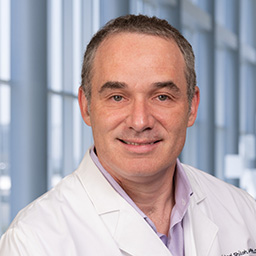
Clinical & Research Interests:
Tuberculosis mucosal and innate immunity

Clinical & Research Interests:
Autophagy
Innate Immunity
Neuroimmunology
Viral Pathogenesis

Clinical & Research Interests:
Bacterial pathogenesis
Biomaterials science
Device Infection
Host immunity
Orthopedic immunology
Tissue engineering
Clinical and Quantitative Sciences

Clinical & Research Interests:
Analysis of the rates, determinants, and mechanisms of chronic complications of HIV disease and antiretroviral therapy, including cardiovascular diseases, non-AIDS malignancies, and metabolic bone disease
Role of hepatitis C co-infection on HIV-associated morbidity

Clinical & Research Interests:
Clinical and translational research projects in HSCT/hematological malignancies and SOT recipients
Role of gut microbiota in human norovirus infections in transplant patients (funded by NIAID K23)
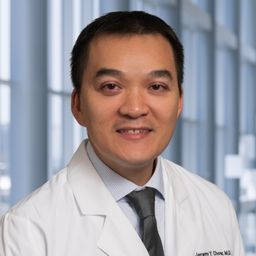
Clinical & Research Interests:
Understanding trends in hospitalizations among people living with HIV in states with and without Medicaid expansion
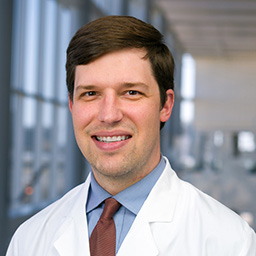
Clinical & Research Interests:
Chronic non-AIDS complications of HIV
Antimicrobial stewardship and healthcare epidemiology
Novel approaches to medical education

Clinical & Research Interests:
Clinical trials in HIV prevention, HIV treatment, HIV/HBV, HIV/HCV, influenza
HIV clinical outcomes and linkage to care
Hepatitis C treatment in special populations
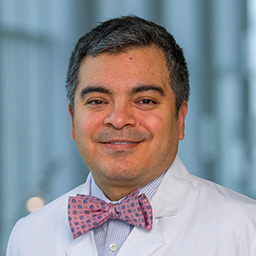
Clinical & Research Interests:
Donor-derived infections
Optimizing deceased organ donor utilization and testing
Parasitic infections in solid organ transplant recipients

Clinical & Research Interests:
HIV
Health services and outcomes research
Transitions of care
Correctional health

Clinical & Research Interests:
Health care-associated infections
Antimicrobial resistance
Infection Prevention
Emerging infectious diseases

Clinical & Research Interests:
Antimicrobial stewardship
Therapies for patients with recurrent urinary tract infections with resistant pathogens
Hemophagocytic lymphohistiocytosis and the multidisciplinary approach to diagnosis and treatment

Clinical & Research Interests:
Pathogenesis and treatment of bacterial toxin-mediated diseases: Clostridioides difficile, Bacillus anthracis
Intra-abdominal infections
Clinical trials in immunocompromised patients