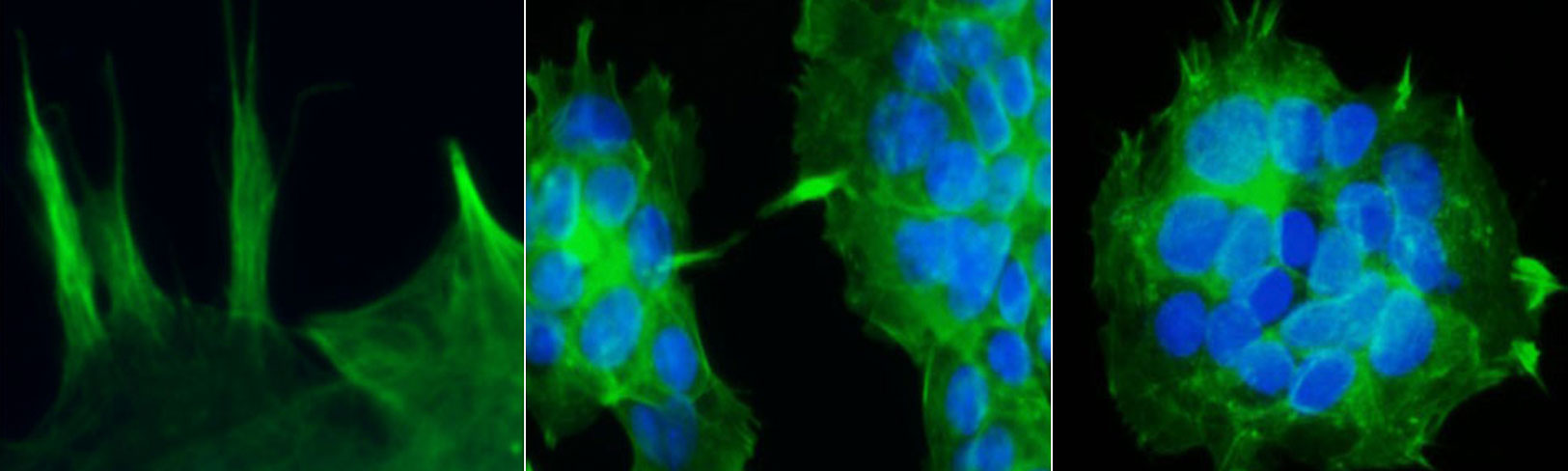
The Graduate Program in Cell Regulation strives to offer the highest quality training for students who wish to pursue the Ph.D. degree and maintain active and independent careers in research and teaching. This is accomplished through participation in advanced courses, journal clubs, works-in-progress seminars, and intensive training in the development and performance of independent research projects in these areas. The program supports this endeavor by uniting a strong cadre of accomplished investigators who provide an exciting research atmosphere and a broad spectrum of training opportunities for the study of signal transduction mechanisms which facilitate intracellular and intercellular communication. Current research within the Cell Regulation Program focuses on the structures and functions of important molecules such as receptors, second messengers, adhesion proteins, and cytoskeletal elements; cellular organelles including the nucleus, endoplasmic reticulum, Golgi apparatus, peroxisome, lysosome, and plasma membrane; and sorting and processing of secretory and membrane-associated proteins. In this way, the regulatory mechanisms by which cells interpret and respond to signals generated by nutrients, hormones, neurotransmitters, physical stimuli, and specialized cell to cell contact systems are explored.
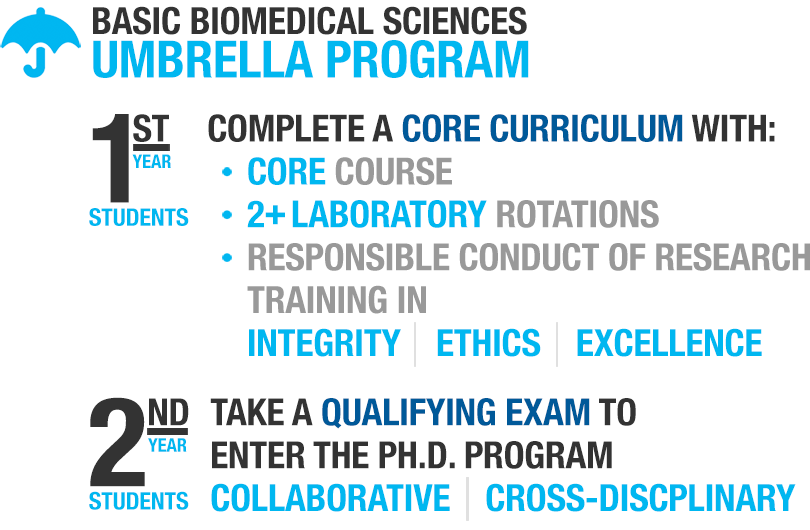
All students who have performed satisfactorily in the First Year Curriculum are qualified to enter the Cell Regulation Program. The program also administers an area of emphasis in pharmacological sciences that is open to students from all of the basic science graduate programs.
Emphasis on Pharmacological Sciences
A common feature of the program that promotes additional contact with faculty in a broad range of related biological fields is the joint student journal clubs offered with the program in Biological Chemistry.
Program Chair: Paul Sternweis, Ph.D., ND6120D; 214-645-6149
Program Administrator: Carla Childers, ND9.120F; 214-645-6129
Courses:
Cell Regulation Degree Plan
All students are required to take 9 units of advanced classes by May of their second year in the DBS. This includes 4.5 Units of program-required courses,Regulation of Cellular Architecture and Dynamics, Signal Transduction I, and Signal Transduction II. Students are encouraged to take the courses in the order presented. An additional 4.5 Units may be selected from courses offered by any programs within the Division of Basic Sciences.
Works-in-Progress (WIPs):
All students are expected to participate in a weekly WIPs, and will present their on-going research once a year. WIPs are designed to provide a format in which students are encouraged to think critically about their own research and that of their fellow students and how this research relates to broader areas of Biology. Faculty within the progam are strongly encouraged to attend. WIPs meet on Fridays, 11 a.m. in ND7.218.
Journal Club:
All students are expected to participate in a weekly Journal Club. These Journal Clubs will be focused around particular topics and will be led by faculty within the Programs. The Cell Regulation and Biological Chemistry programs jointly sponsor 5-7 Journal Clubs each semester, which will be open to all students in both programs. Current and upcoming Journal Clubs, advisors and times can be found by clicking here.
Dissertation Committees:
The Dissertation Committee is assembled and functions as described.
Qualifying Exam:
Students are expected to pass their Qualifying Exam by June of their second year in the DBS.
Faculty
Program Chair: Paul Sternweis
Joseph Albanesi -- Mechanisms of membrane fusion; Role of lipids in membrane trafficking; Membrane vesiculation of dynamin.
Neal Alto -- The intersection between human signal-transduction and bacterial pathogenesis; use of biochemical and cell biological analysis to define molecular mechanisms of microbial infectious disease.
Steven Altschuler - Design principles underlying the spatial-temporal organization of molecular networks.
Richard Anderson -- Compartmentalization of signal transduction by caveolae and coated pits.
James Bibb -- Protein phosphorylation/dephosphorylation related to neural function.
Kathlynn Brown -- Cell-specific targeting; receptor-ligand interactions; cancer targeting; drug delivery; cancer biomarker identification.
Michael Brown -- Regulation of gene expression; cell-surface receptor function; genetics and biochemistry of lipoprotein and cholesterol metabolism.
David Chen -- Role of DNA-PK in DNA double-strand break repair; Ku, telomere maintenance and cellular senescence; transgenic mouse models for DNA damage sensing and signaling; DNA damage responses induced by HZE particles in human cells.
Cheng-Ming Chiang-- Mechanisms of transcriptional regulation and epigenetic control; chromatin remodeling and histone tail modification; sumoylation and ubiquitination; functional interplay between oncoproteins and tumor suppressor proteins; general transcription factors and cofactors.
Melanie Cobb -- Protein kinase cascades; MAP kinases; signal-transduction mechanisms.
Russell DeBose-Boyd -- Regulation of HMG-CoA reductase and sterol metabolism.
J. R. Falck -- Total synthesis of natural products; synthetic methodology; organometalics; eicosanoids; medicinal chemistry.
Beatriz M.A. Fontoura -- Role of nuclear transport factors in interphase and mitosis: from viral pathogenesis to cell division.
Alfred Gilman -- Hormonal regulation of cyclic AMP metabolism; mechanisms of control of hormone-sensitive adenylate cyclase; regulatory GTP-binding proteins.
Joseph Goldstein -- Genetics and biochemistry of lipoprotein and cholesterol metabolism; cell-surface receptor function; regulation of gene expression.
Joel Goodman -- Intracellular sorting of newly synthesized proteins; organelle biogenesis and membrane structure and function; the yeast peroxisome as a model of organellar assembly.
Jer-Tsong (J.T.) Hsieh -- Human cancer gene therapy; signaling defects in urogenital cancers.
Lily Huang -- Cytokine receptor; signal transduction; hematopoiesis; structure-function analysis of protein; cancer.
Michele Hutchison -- Regulation of cell growth and differentiation affecting bone growth; action of IGF-I at the growth plate; skeletal dysplasias.
Lily Jiang -- Adenylyl cyclase regulation and function in the immune system; novel pathways of G protein signaling.
Steven Kliewer -- Physiology of nuclear receptors.
Mark Lehrman -- Informational carbohydrates in the endoplasmic reticulum: roles in protein folding, stress responses and human disease.
David Mangelsdorf -- Mechanism of nuclear hormone receptor action; role of retinoids in cancer; transcriptional regulation of lipid metabolism.
Carole Mendelson -- Molecular mechanisms in tissue-specific, developmental and hormonal regulation of eukaryotic gene expression.
John Minna -- Molecular genetics of human cancer; growth factors and signal transduction in human tumors.
Marc Mumby -- Signaling pathways controlling cell growth and transformation.
Kate Luby-Phelps -- Light microscope imaging of structure and function in living cells and tissues.
Matthew Porteus -- Regulation of DNA double-stranded break repair; regulation of homologous recombination.
Elliott Ross -- Mechanisms and regulatory behavior of G-protein signaling; regulated protein-protein interactions in signal transduction.
Michael Roth -- Recognition and sorting of cell-surface glycoproteins.
David Russell -- Steroid and bile-acid metabolism; molecular genetics; gene regulation; protein structure-function.
Philipp Scherer - Identification and physiological characterization of novel secretory proteins that serve as potential links between the adipocyte and the processes of whole body energy homeostasis, inflammation and cancer; beta cell biology.
Joachim Seemann -- Biogenesis of the Golgi apparatus.
Dean Smith -- Sensory transduction in Drosophila melanogaster.
William Snell -- Cell-cell interactions and signal transduction during fertilization in Chlamydomonas; cellular and molecular mechanisms of cell-cell fusion.
Paul Sternweis -- Regulation of intracellular events by cell-surface receptors; structure and function of GTP-dependent regulatory proteins and their effectors.
Ronald Taussig -- G protein-mediated signaling.
Lance Terada -- Vascular biology; oxidant biochemistry; signal transduction; acute lung injury.
Philip Thorpe -- Development of novel angiogenesis inhibitors and agents for inducing thrombosis of tumor blood vessels for cancer treatment.
Michael White -- Molecular mechanisms for control of cell growth and differentiation.
Lani Wu - Design principles underlying the formation of cellular polarity.
Christoph Wuelfing -- Regulation of cytoskeletal rearrangements during T lymphocyte activation.
Helen Yin -- Mechanisms for signal transduction through the actin cytoskeleton.
Hongtao Yu -- Study of cell division cycle.
Gang Yu -- Biochemistry of signal transduction, gene regulation, and membrane protein complexes; molecular and cellular mechanisms of neurogenesis, neuroplasticity, and neurodegeneration.
Hui Zou -- Molecular circuitries that ensure a timely and equal separation of chromosomes into the forming daughter cells; vertebrate mechanisms of chromatid cohesion and separation; unequal division of cytoplasmic content during asymmetric cell divisions.