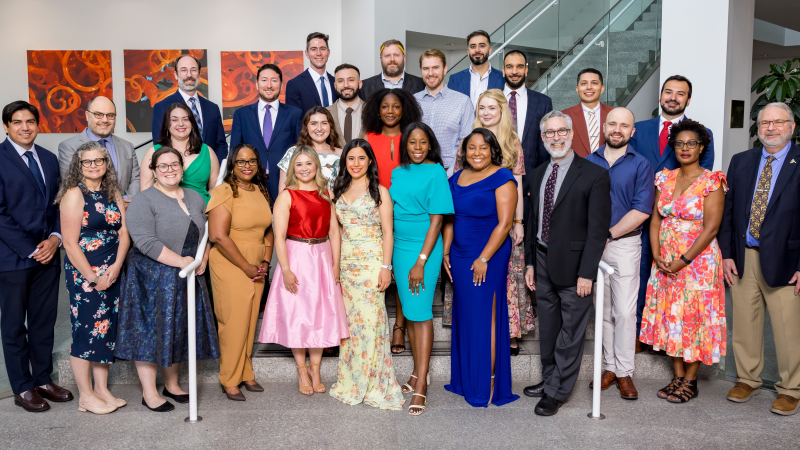
General Psychiatry Residency Program
We train psychiatrists who are expert in the brain, the mind, and social systems and highly capable at working in teams and care systems, who meet each patient with dignity and the desire to listen, and who feel supported by our training community and in turn support each other. Our residents graduate at the cutting edge of all aspects of psychiatry, trained by outstanding, evidence-oriented clinicians to provide excellent clinical care to patients. In our innovative, exciting didactic and clinical/experiential base for training, faculty and residents work together, balancing clinical service and education. Our patients are diverse in every way: ethnoculturally, socioeconomically, and by clinical service (private, public sector, community, etc.). This variety ensures our residents are able to practice psychiatry anywhere with anyone.
Program Overview
- Our Values, Mission, and Vision
Values
Service, Healing, Advocacy, Research, Education, and Duty
Mission
SHARED Values, SHARED Vision, SHARED Excellence
Vision
The UT Southwestern Psychiatry Residency Program is dedicated to developing physicians who prioritize comprehensive patient care and champion the recovery of the whole person. We are committed to training a diverse group of resident physicians who embody our core SHARED values of: Service, Healing, Advocacy, Research, Education, and Duty. Our program emphasizes the application of evidence-based, state-of-the-art, biopsychosocial models of treatment to address the diverse mental health needs of patients across various healthcare settings.
We are committed to cultivating personalized career training pathways for our residents via unique training experiences, broad elective opportunities, and access to exceptional mentorship from nationally renowned faculty. We ensure the effectiveness of our training by focusing on core competencies such as clinical excellence, research aptitude, effective advocacy, and leadership at the local, state, national, and international levels.

- Evidence-Based Psychiatry
Our curriculum is evidence based not only in content but also in teaching. Our didactic curriculum is based on the most up-to-date understanding of how adults learn, and we rigorously study our educational efforts to make sure we are effectively teaching and inspiring our residents.
The presence and involvement of internationally recognized researchers is central to our residents engaging with the latest, most advanced, evidence-based clinical tools to prepare them to administer treatments yet to come. Our exciting research programs include:
- Biomarkers for mental illness
- Functional imaging in schizophrenia, depression, anorexia, addictions, and more
- Psychotherapy research, including individual and family
- Mental health systems and quality improvement
- Psychopharmacology
- Adult autism
- Early psychosis
- Molecular genetics of serious mental illness and addictions
- Neurobiology of psychiatric illnesses
- Neuroplasticity, epigenetics, and adult neurogenesis
- Dopamine in brains of schizophrenia and Alzheimer’s disease
- ECT, MST, and DBS for treatment-resistant mood disorder
- Neurobiology of genetic vulnerability to stress
- Neuronal signal transduction processes
- Cognitive/social neuroscience and eating disorders
- Sleep and arousal mechanisms, circadian rhythms, and the molecular clock
- Dissemination and implementation research, including medication algorithms
- Treatment resistance in mood disorders, bipolar disorder, depression, anxiety, and substance abuse
- Effectiveness of interventions in real-world settings
- Psychiatric epidemiology
- Neuropsychology
- Breadth of Exposure and Diversity of Careers
Our graduates are prepared to go in any direction they choose, having been exposed in depth, with appreciative understanding, to every area within psychiatry. We offer ACGME-accredited fellowships in addiction, child and adolescent, consultation-liaison, forensic, and geriatric psychiatry and sleep medicine. Some of our graduates elect to pursue these fellowships with us while others are accepted at other prominent U.S. programs.
Our graduates have gone on to private practice, basic or clinical research careers, psychoanalytic training, academic appointments all over the U.S., and public psychiatry. Many have chosen to join our own rapidly growing faculty. We welcome applicants with any of these aspirations (or others we haven’t yet thought of), and we strive to help all our residents define their individual interests and plan a personally fulfilling career.
- Serving the Needs of Our Diverse Dallas Community
Advocating for Our Patients and Pursuing Health Care Equity
Our patients cannot flourish if they are not part of a supportive community. Therefore, advocacy for our patients is an important part of our identity. We are dedicated to pursuing health care equity through vigorous efforts to educate and expose our trainees to the cultural expanse of our community. Furthermore, we value the broad backgrounds that our trainees and staff bring to our environment.
Over two-thirds of the Dallas population identify as an ethnic minority. Dallas has the largest population of individuals who identify as LGBTQIA+ in Texas and one of the largest in the U.S. The Latin American community in Dallas is one of the fastest growing in the country.
Rotations and Clinical Sites with Patients from Various Backgrounds
Our residents have the opportunity for a vast array of different rotations and clinical sites and work with a diverse patient population:
- Parkland Hospital Inpatient Psychiatry Unit, C/L service, and Psychiatric Emergency Department
- Parkland Outpatient Psychiatry Clinic
- Dallas Veterans Affairs Hospital (2nd largest VA Hospital in the US!)
- Metrocare Outpatient Services: opportunity to do community-based mental health treatment, work with Assertive Community Treatment (ACT) teams, and participate in community outreach with the Dallas homeless population
- Forensic experience at the Dallas County Jail
Electives Promoting Unique Cultural Exposure
We offer elective opportunities for Psychiatry Residents in settings that promote diverse learning experiences:
- College Mental Health at Paul Quinn College
- Refugee Mental Health Clinic
- Global Mental Health Experience in Guyana
- Veterans Community Outpatient Rotation
- Teaching Adolescents at Local High Schools
Curricula Emphasizing Culture and Diversity
PGY1
- Introduction to Discrimination as a Social Determinant of Mental Health
- Global Mental Health
- Cultural Formulation
- LGBTQI+ Mental Health
PGY2
- Assertive Community Treatment
- LGBTQI+ Mental Health and Substance Abuse
- Refugee Mental Health
- Troubleshooting Multicultural Factors
- Transitional Age Youth
PGY3
- Financial Planning for the Resident
- Ethical Issues Raised by the Use of Social Media by Patients and Providers
- Collaborative Care
- Mindfulness
PGY4
- Social Media in Mental Health
- Cultural Factors in Psychiatry
- Antipsychiatry
- Social Determinants of Mental Health
- History of Psychiatry
- Religion and Psychiatry
Additional Learning Opportunities Emphasizing Inclusive Excellence
Didactic lectures on special topics with objectives and activities developed by residents:
- African Americans' Mental Health at the African American Museum
- Latino Mental Health at the Latino Cultural Center
- Understanding Cross Cultural Experiences
Grand Rounds:
- Educational series that includes expert speakers who focus on health equity in mental health care delivery
Literature and Psychiatry:
- Series embedded within didactics in which we read literature chosen by residents (e.g., poems, short stories)
- The Literature and Psychiatry work group and the Resident Initiative for Solidarity and Engagement (RISE) Together committee ensure required readings come from authors of various backgrounds and that stories are reflective of cultural differences
Training Sites
Our residents encounter a wide variety of patient populations and systems of psychiatric care through our affiliate institutions:
- Parkland Health & Hospital System, one of the nation's premier public county hospitals
- William P. Clements Jr. University Hospital, a UT Southwestern hospital
- Dallas Veterans Affairs Medical Center, one of the VA's academic flagship centers
- Children's Health Dallas, a private tertiary care pediatric hospital
- Metrocare Services, an innovative public-private community psychiatry system
- University of Texas Arlington and University of North Texas Student Mental Health
We involve every resident in each setting in a coherent plan that balances patient care and education. Diversity of settings allows residents to care for the widest possible range of patients by diagnosis, ethnic background, socioeconomic status, and location.
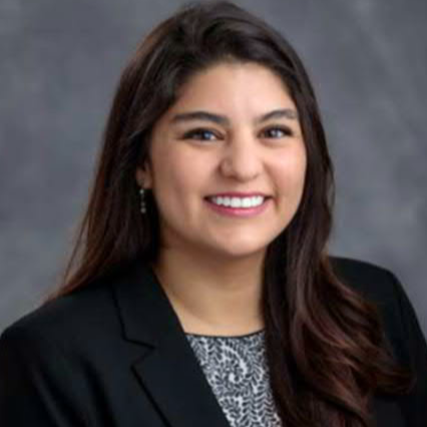
“I chose UT Southwestern because I wanted to work with patients who were Spanish speaking, and it's been an important part of my training to be able to relate to patients in their language. It was really important to go to an institution where the care that we provide to patients who are underinsured is such high quality. You have the opportunity to rotate on a dedicated psychiatric emergency space, and you see all kinds of presentations. This program has so many opportunities for you to tailor your training specific to what your interests are.”
Application Process
We use ERAS.
We conduct virtual interviews. Details regarding the Match 2027 interview season will be posted once they are available.
- Necessary Items
All Application Packages Must Include:
- Personal Statement
- Medical Student Performance Evaluation (Dean's Letter)
- Medical School Transcript
- USMLE or COMLEX Transcript
- Three letters of recommendation (at least one from a psychiatrist)
- CV
- Photograph
- ECFMG certificate (for International Medical Graduates only; we routinely sponsor J-1 visas and can discuss with applicants directly if they have specific questions about other visa sponsorship)
Other Items:
- Medical school diploma
- Visa documentation (if applicable; only J-1 visas are sponsored)
- Additional Information
We must receive the completed application before we will interview for the Match cycle.
We virtually interview 8 applicants per day.
Each applicant will complete their individual interviews in one of two blocks:
- Morning: 9:00 – 11:30 a.m.
- Afternoon: 1:00 – 3:30 p.m.
In addition, all applicants will attend:
- Orientation: 8:00 – 9:00 a.m.
- Meetings with Chief Residents & Faculty of Interest: 11:30 a.m. – 12:30 p.m.
- Final Closing Session: 3:30 – 4:00 p.m.
Please review your schedule carefully and plan to be present for all required sessions.
Residents must be eligible to rotate at each of our clinical training sites. Most sites require proof of COVID-19 vaccination, and some sites do not allow exemptions to this requirement.
Please note that as part of the application and interview process for a potential residency position in our program, we are accredited by the Accreditation Council for Graduate Medical Education and you would need to meet ACGME requirements for matriculation in our program.
Upon graduation from our residency training program, most of our graduates seek board certification from either the American Board of Psychiatry and Neurology or the American Osteopathic Board of Neurology and Psychiatry. The process of board certification is separate from residency training and has additional requirements. Some board organizations require completion of all your education in an ACGME-accredited residency. Please contact the appropriate certifying board to understand your eligibility for board certification before accepting (if offered) a residency position at our institution.
For more information or any questions, please contact our education team:
- Phone: 214-648-7312
- Fax: 214-648-7370
Letter from the Chief Residents
- Learn About Our Psychiatry Residency Program
Thank you for taking the time to learn about the UTSW Psychiatry Residency Program. We are the Chief Residents of UTSW Psychiatry. We hail from Iowa, Maryland, and Texas, and our residents hail from even more states and countries. We think our program is amazing and want to SHARE what we love about our program with you.
Our program’s mission statement is SHARED Values, SHARED Vision, SHARED Excellence. With the SHARED values of Service, Healing, Advocacy, Research, Education, and Duty, we seek to create an environment of caring and collaboration. Rooted in our values, we continually strive to become the best psychiatrists we can be for our patients.
We have diverse clinical opportunities, world-class research, and access to high-quality, robust psychotherapy training. Working within various care systems (county, private, veterans' and children's hospitals, and public, private, forensic, homeless, and community-based clinics), we are exposed to patients from a wide array of backgrounds with a broad range of psychiatric and medical conditions. We become familiar with a full breadth of medications, psychotherapy modalities, and cutting-edge interventional treatments, preparing us for independent clinical practice and desirable fellowship positions.
Dallas is known for its vibrant culture and friendliness. Our metro area is the largest in Texas, 4th-largest in the U.S., and home to over 7.5 million people, with more moving here every day. Dallas offers something for everyone—whether you prefer a fast-paced city life, a laidback suburban lifestyle, or something in between, Dallas has a place for you!
We pride ourselves on our flexibility to customize training. Across our practice settings, residents may choose from over 60 electives in PGY 3-4. We also offer areas of concentration (education; global and cultural psychiatry; interventional psychiatry; mental health, policy, and law; psychotherapy; transitional age youth; women’s mental health; community and recovery-oriented psychiatry), allowing our residents unique clinical and scholarly experiences. Mentorship from residents and faculty is highly valued and thoroughly incorporated within our curriculum and various community initiatives. We are committed to helping you develop foundational skills to become a great psychiatrist, as well as opportunities to gain unique skills that will set you apart as you start your career.
The journey to becoming a psychiatrist is both a rewarding privilege and a challenging responsibility. As such, we are committed to a culture of support. Our motto is “never worry alone,” and our leaders, attendings, and residents exemplify it through personal and intentional connection. As one of the largest U.S. psychiatry residencies, our coalition of diverse and talented faculty and residents connect with and support one another between and across classes and ranks, as evidenced by regular feedback meetings with leadership built into didactics time and our very active Psychiatry Residents Organization.
Additionally, we are committed to a culture of respect for individuality and diversity. Our patients come from many walks of life, as do our residents. We seek and celebrate opportunities to learn from one another and grow in understanding of how issues of diversity (including, but not limited to, culture, race, gender identity, sexuality, socioeconomic status, and religion) shape our patients and our psychiatric practice.
We are proud to be UT Southwestern Psychiatry Residents. We want to meet you and share much more about what makes our program so special and to learn about you during the application process. Please do not hesitate to contact us if you would like to hear more about our program or personal experiences. We wish you all the best!
Temitope Adedolapo, M.D., M.S., M.B.A.
Rachel Beck, M.D.
Thomas Pak, M.D., Ph.D.
Kaylee Schrader, M.D., M.P.H.- Phone: 214-648-7312
- Fax: 214-648-7370
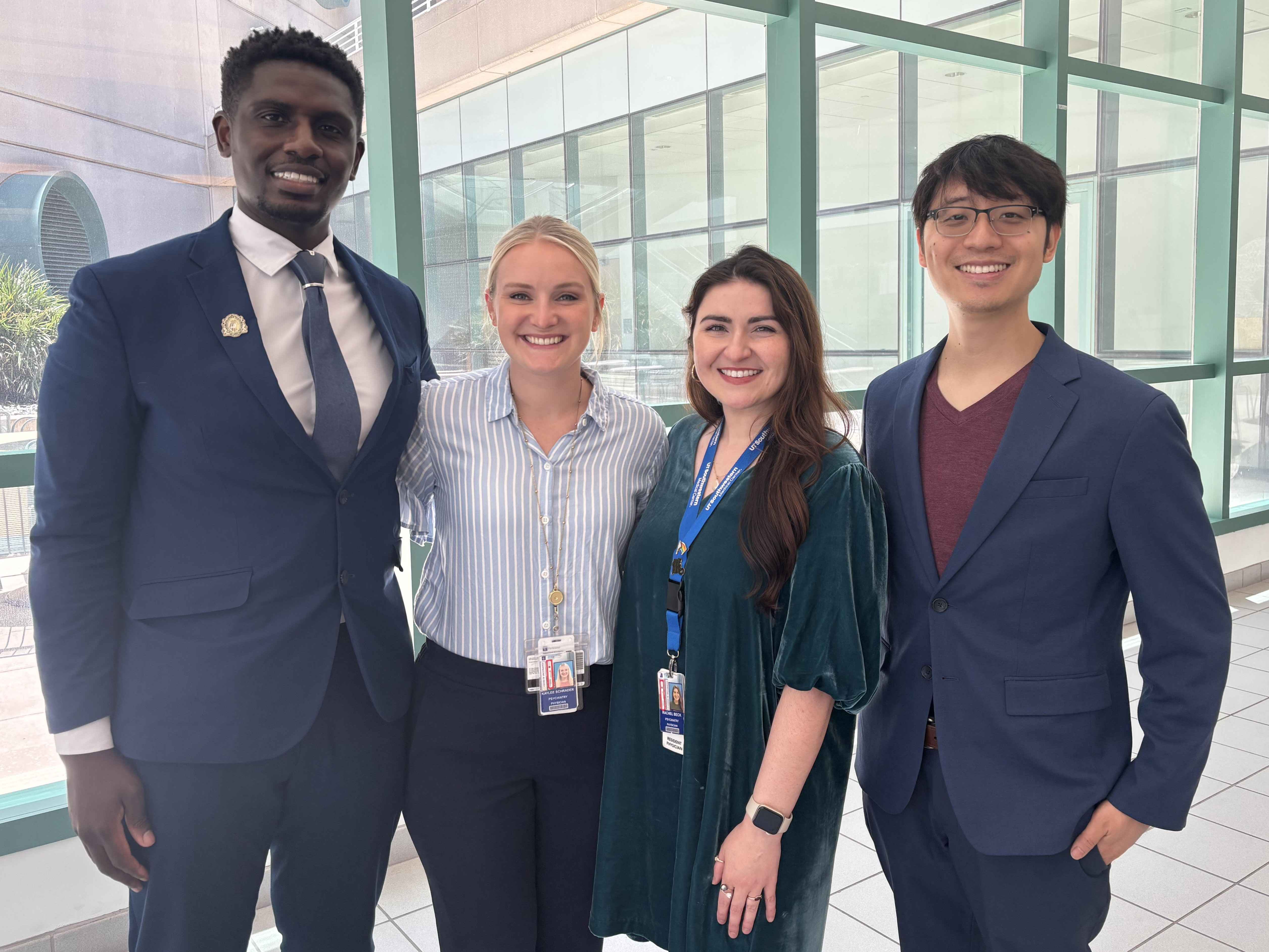
Chief Residents
(left to right)
Temitope Adedolapo, M.D., M.S., M.B.A.
Kaylee Schrader, M.D., M.P.H.
Rachel Beck, M.D.
Thomas Pak, M.D., Ph.D.
Program Structure
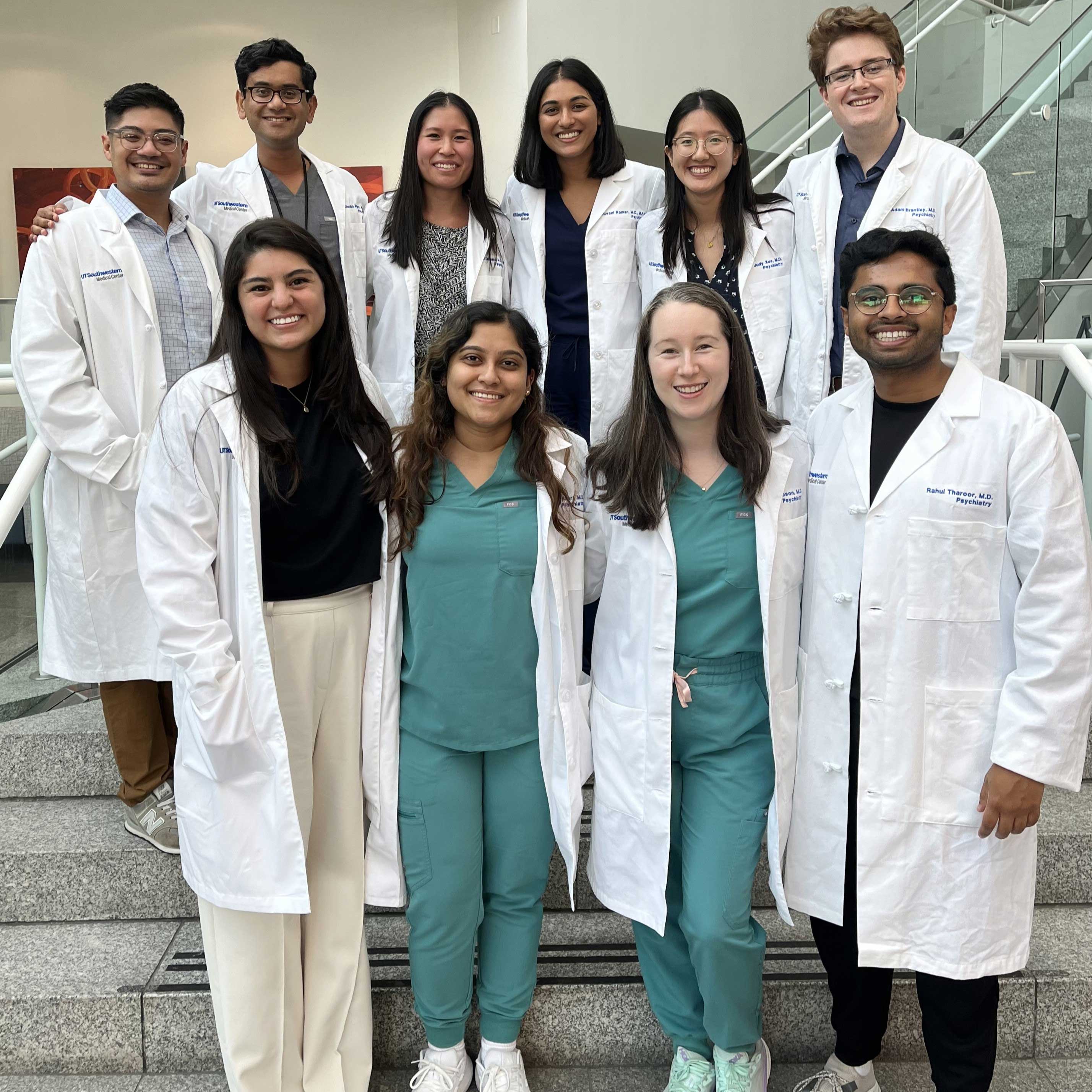
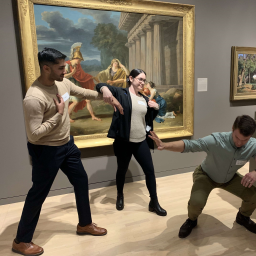
Residents propose and plan three didactics afternoons each academic year for special education programs with faculty support
Special EventsSpecial Events
Residents
- 2026 Match
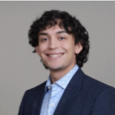
Luke Cantu, M.D.
Medical School: Washington University School of Medicine, St. Louis
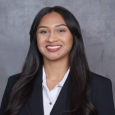
Pratima Gangupantula, M.D.
Medical School: UT Health Science Center at San Antonio Joe R. and Teresa Lozano Long School of Medicine
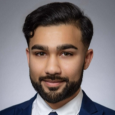
Mohammad Khan, M.D., M.P.H.
Medical School: University of Texas Southwestern Medical Center
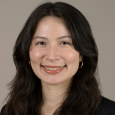
Isabel Kilroy, M.D.
Medical School: McGovern Medical School, UT Health Science Center at Houston
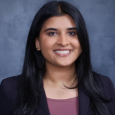
Benita Lalani, M.D.
Medical School: UT Medical Branch John Sealy School of Medicine

Sarah (Morgan) Motakef, M.D.
Medical School: Baylor College of Medicine
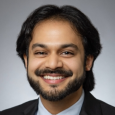
Bilal Rehman, M.D.
Medical School: University of Texas Southwestern Medical Center
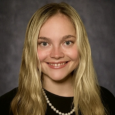
Sheridan (Sher) Scott, M.D.
Medical School: University of Kansas School of Medicine
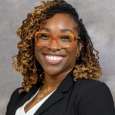
Courtni Sims, M.D.
Medical School: Howard University College of Medicine
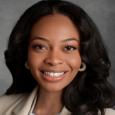
Jennifer Ude, M.D.
Medical School: Michigan State University College of Human Medicine, Detroit Campus
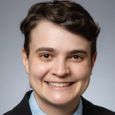
Megan Ungerman, M.D.
Medical School: University of Texas Southwestern Medical Center
- PGY 1
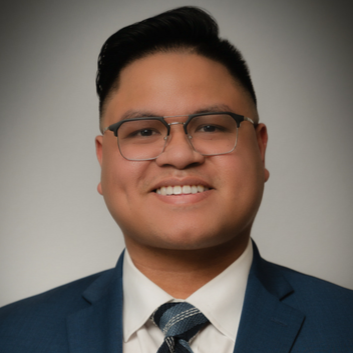
Roald Credo, M.D.
Undergraduate: Texas Tech University
Medical School: Texas Tech University Health Sciences Center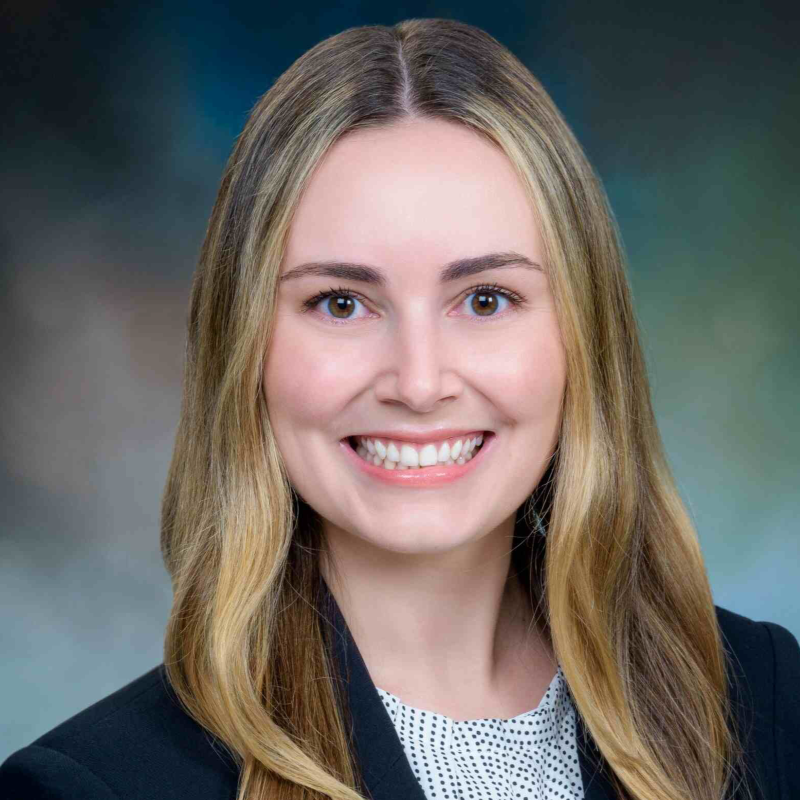
Emma Easterling, M.D.
Undergraduate: University of Texas Medical Branch
Medical School: University of Texas Medical Branch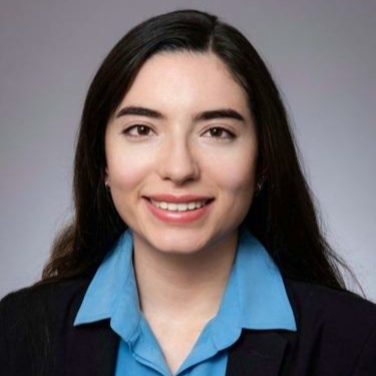
Viviana Gonzalez, M.D., M.B.A.
Undergraduate: Baylor
Graduate: University of North Texas
Medical School: University of Texas Southwestern Medical Center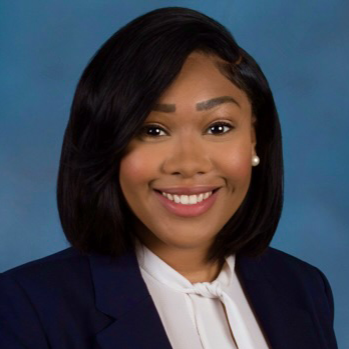
Trinity Houston, M.D., M.P.H.
Undergraduate: University of Kentucky
Graduate and Medical School: University of Alabama at Birmingham Marnix E. Heersink School of Medicine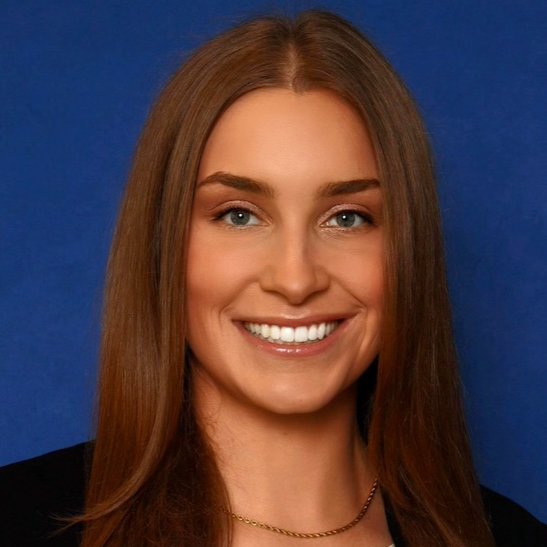
Alexandra Koehler, M.D.
Undergraduate: University of Kansas
Medical School: University of Kansas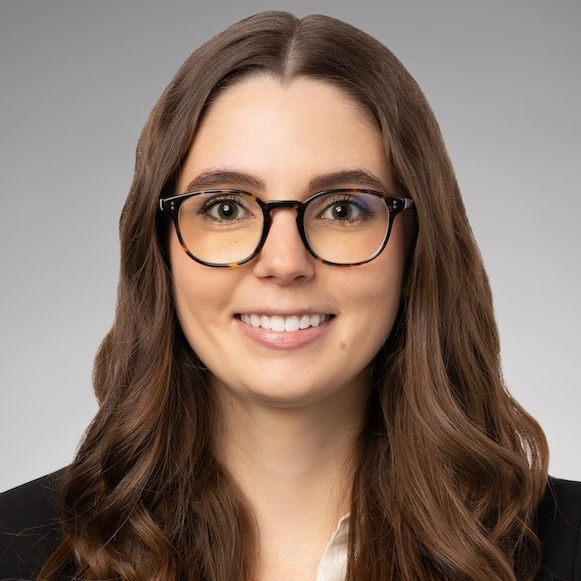
Sloan Long, M.D.
Undergraduate: Southern Methodist University
Medical School: Texas A&M Health Science Center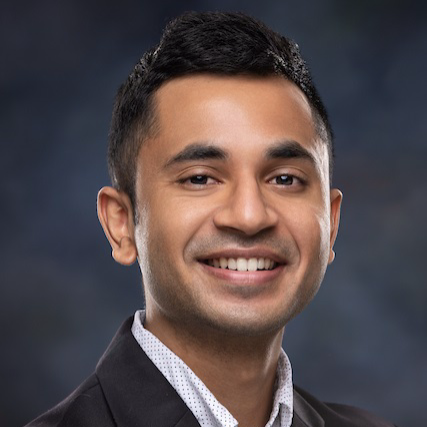
Siddharth Prasad, M.D., M.Ed.
Undergraduate: Rice University
Graduate: University of Texas, Austin
Medical School: University of Texas School of Medicine, San Antonio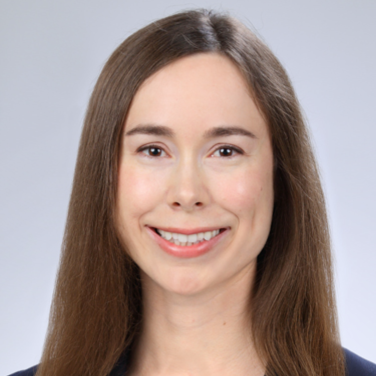
Alison Schafer, M.D.
Undergraduate: Rice University
Medical School: Louisiana State University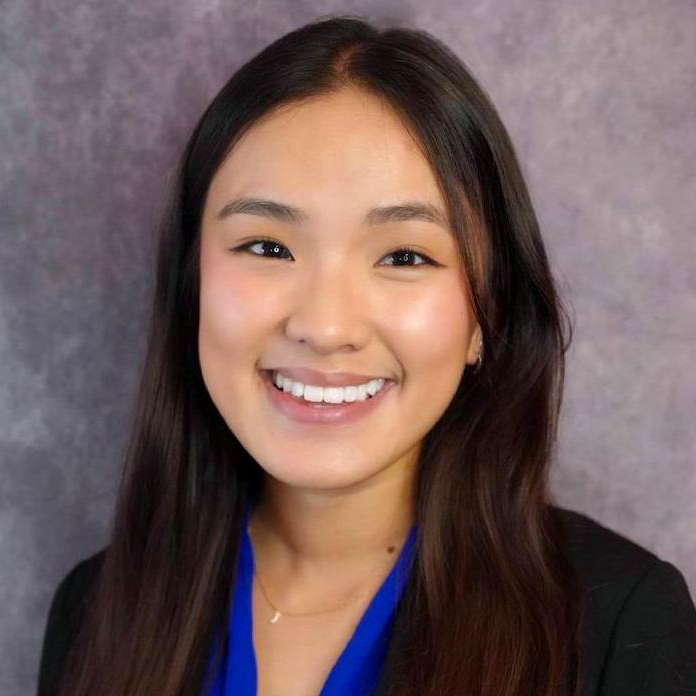
Jessica Tran, M.D.
Undergraduate: University of Houston
Medical School: University of Texas Medical Branch John Sealy School of Medicine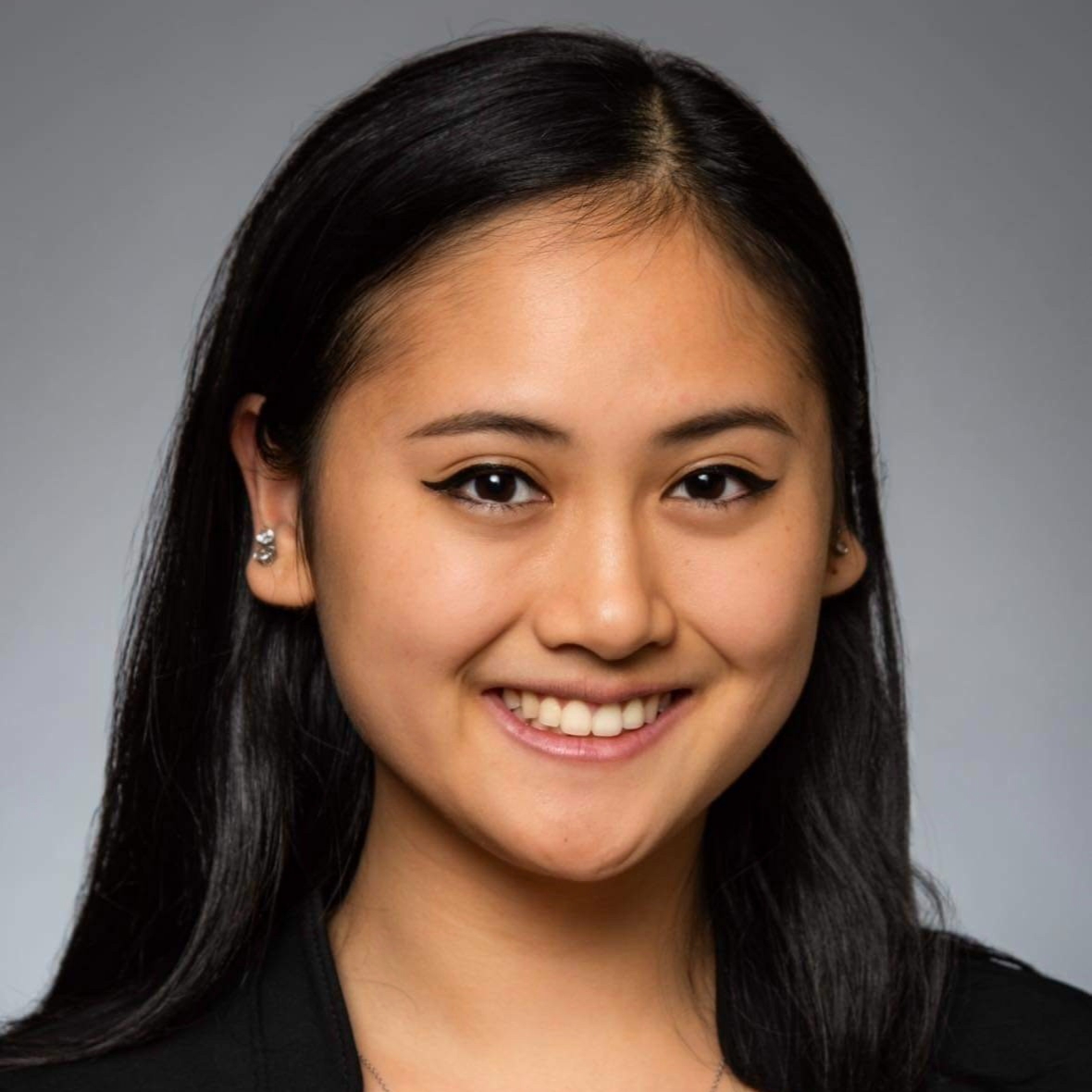
Ashley Tsang, M.D.
Undergraduate: Rice University
Medical School: University of Texas Southwestern Medical Center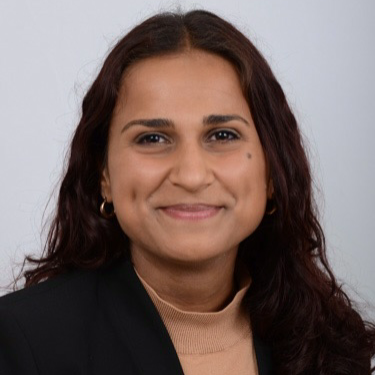
Nausheen Wakhlu, M.D.
Undergraduate: University of Southern California
Medical School: Keck School of Medicine, University of Southern California - PGY 2
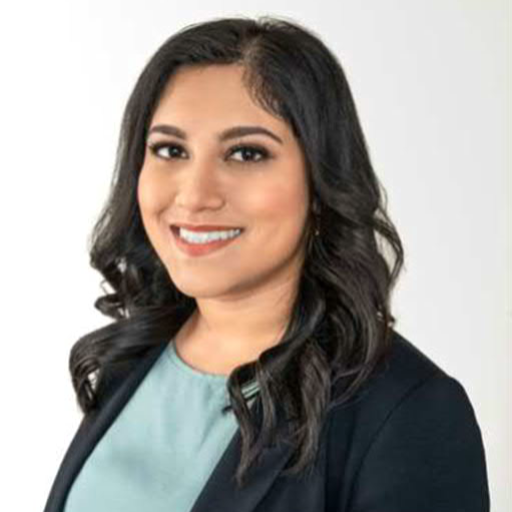
Tamanna Basri, M.D., M.M.S.
Undergraduate: University of Texas at Austin
Graduate: University of North Texas Health Sciences Center
Medical School: University of Arkansas for Medical Sciences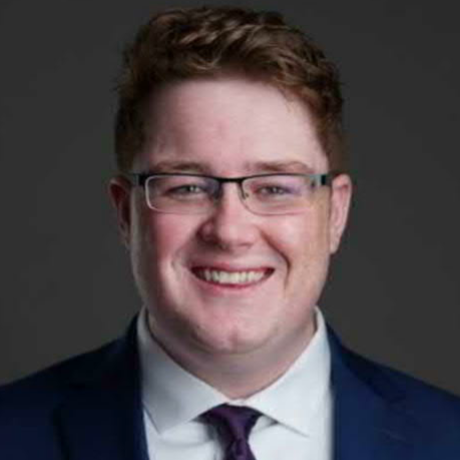
Adam Brantley, M.D.
Undergraduate: Brigham Young University
Medical School: University of Texas Health Science Center at San Antonio Joe R. and Teresa Lozano Long School of Medicine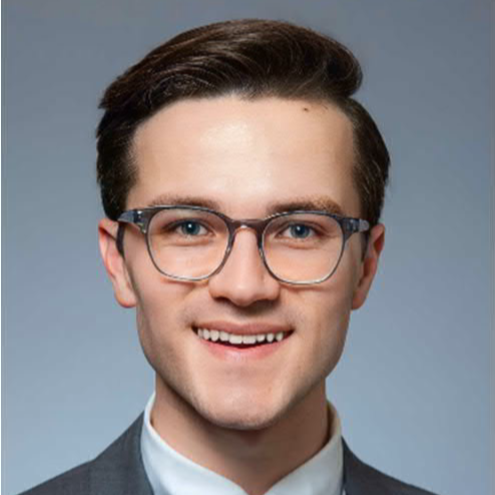
William Burton, M.D.
Undergraduate: Baylor University
Medical School: UT Southwestern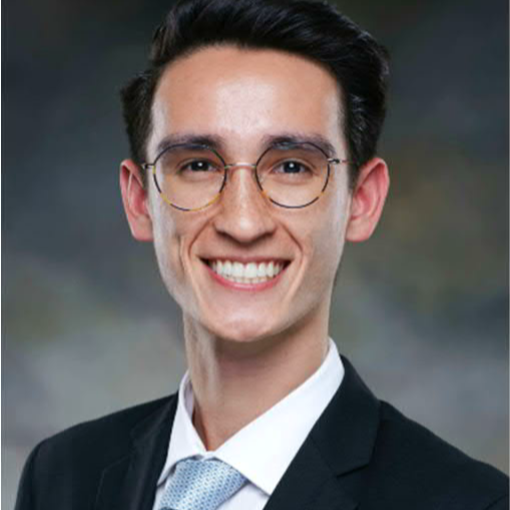
Nicholas Champagne-Aves, M.D.
Undergraduate: Texas A&M University
Medical School: University of Texas Health Science Center at San Antonio Joe R. and Teresa Lozano Long School of MedicineJulia Chavez, M.D.
Undergraduate: Rice University
Medical School: University of Chicago Pritzker School of Medicine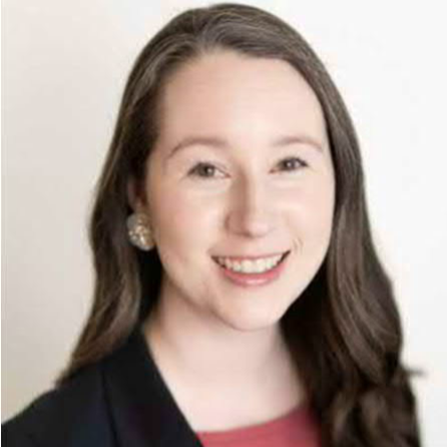
Cara Jacobson, M.D.
Undergraduate: Rice University
Undergraduate-Nursing: Medical University of South Carolina
Medical School: UT Southwestern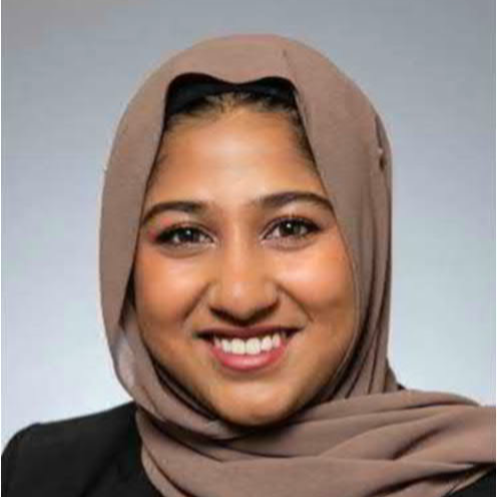
Mehvish Khan, M.D., M.P.H.
Undergraduate: Texas A&M
Graduate: UT Health
Medical School: UT Southwestern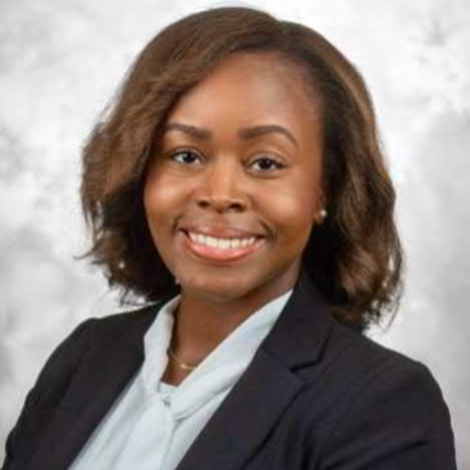
Jennifer Oruebor, M.D., M.M.S.
Undergraduate: University of Texas at Austin
Graduate: Boston University School of Medicine
Medical School: Texas A&M Health Science Center College of Medicine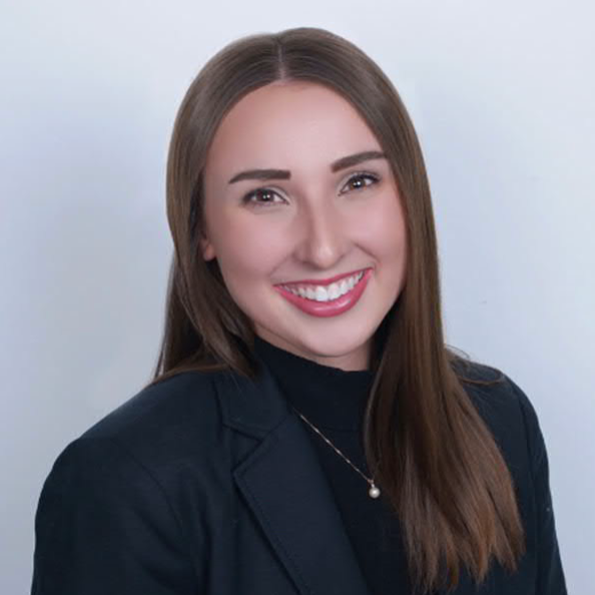
Avery Rogers, M.D.
Undergraduate: University of Oklahoma
Medical School: University of Texas Health Science Center at San Antonio Joe R. and Teresa Lozano Long School of Medicine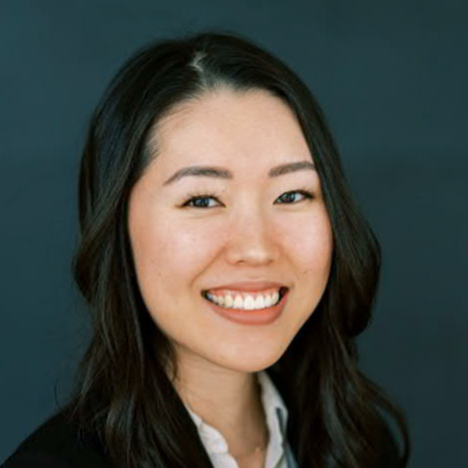
Stephanie Shea, M.D., M.B.A.
Undergraduate: University of Texas at Austin
Graduate: University of Texas at Dallas
Medical School: UT Southwestern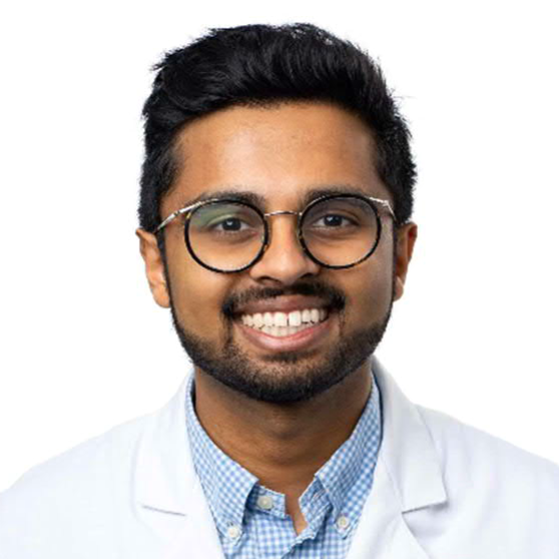
Rahul Tharoor, M.D.
Undergraduate: University of Texas at Austin
Medical School: Texas A&M Health Science Center College of Medicine - PGY 3
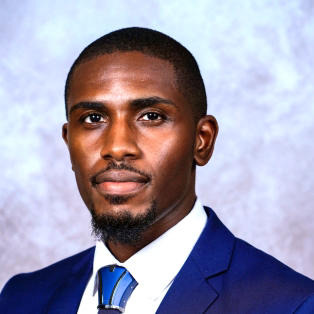
Temitope Adedolapo, M.D., M.S., M.B.A.
Undergraduate: Howard University
Medical School: Howard University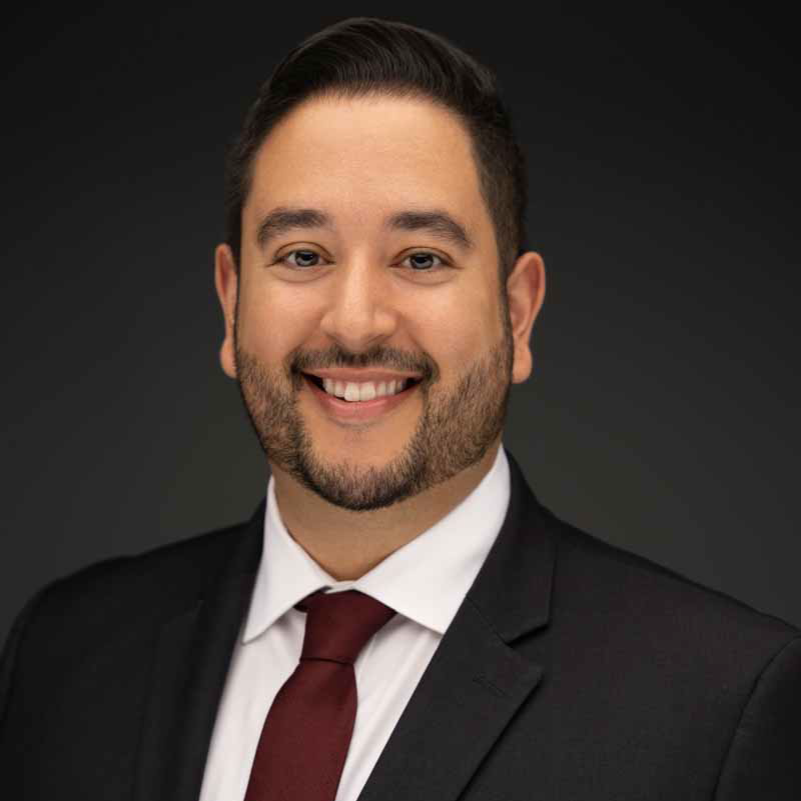
Jonas Beyene, M.D., M.M.S.
Undergraduate: University of Pittsburgh
Medical School: Texas Tech University Health Sciences Center School of Medicine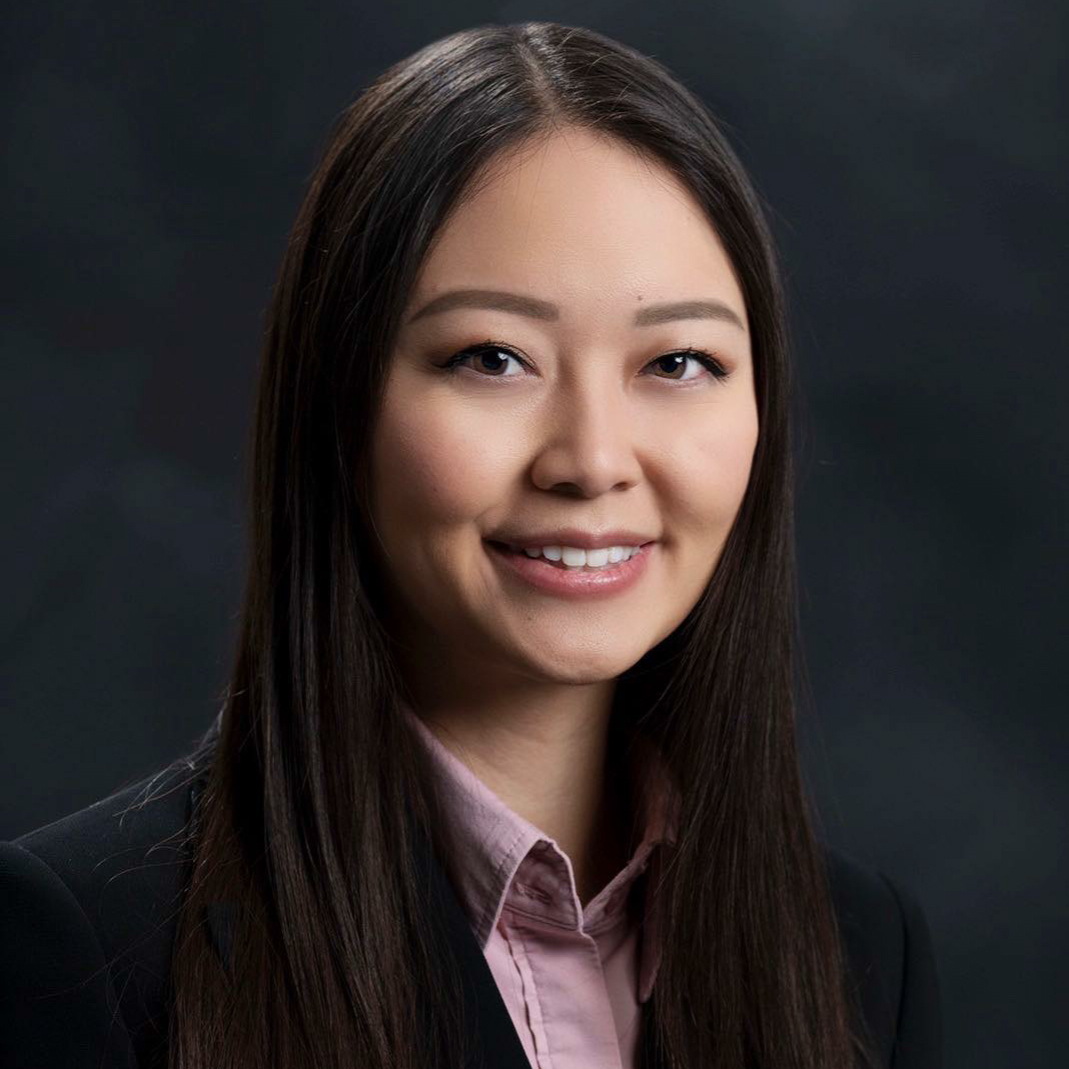
Stephanie Bui, M.D., M.B.A.
Undergraduate: University of Southern California
Medical School: Texas Tech University Health Sciences Center School of Medicine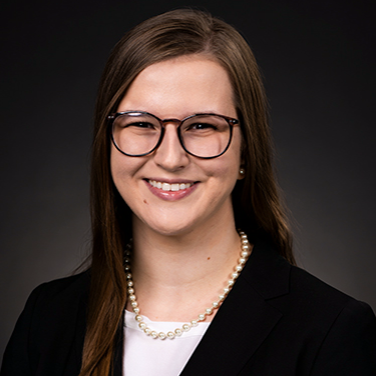
Sarah Elmer, M.D.
Undergraduate: Texas A&M University
Medical School: Texas A&M Health Science Center College of Medicine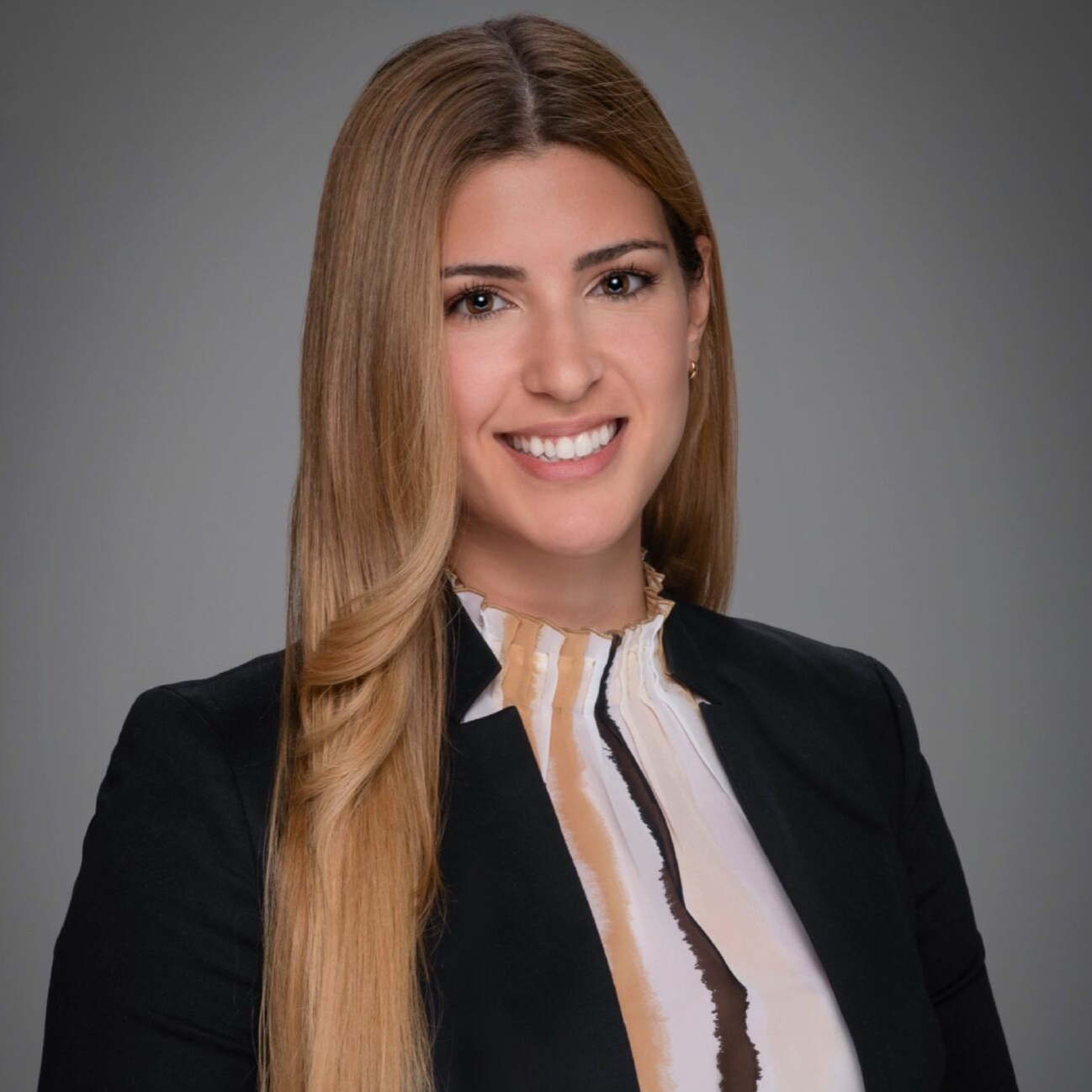
Marlene Giron Bravo, M.D.
Undergraduate: The Catholic University of America
Medical School: University of Puerto Rico School of Medicine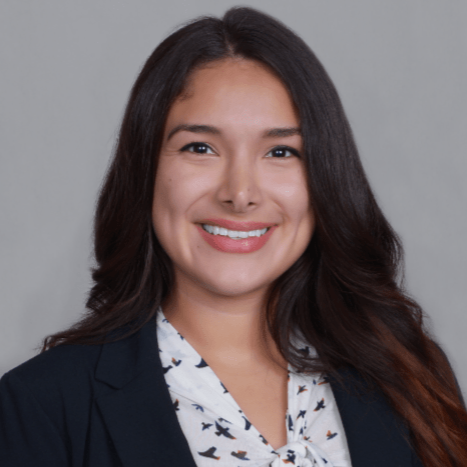
Gisela Gonzalez, M.D.
Undergraduate: Southwestern University
Medical School: University of Texas Medical Branch John Sealy School of Medicine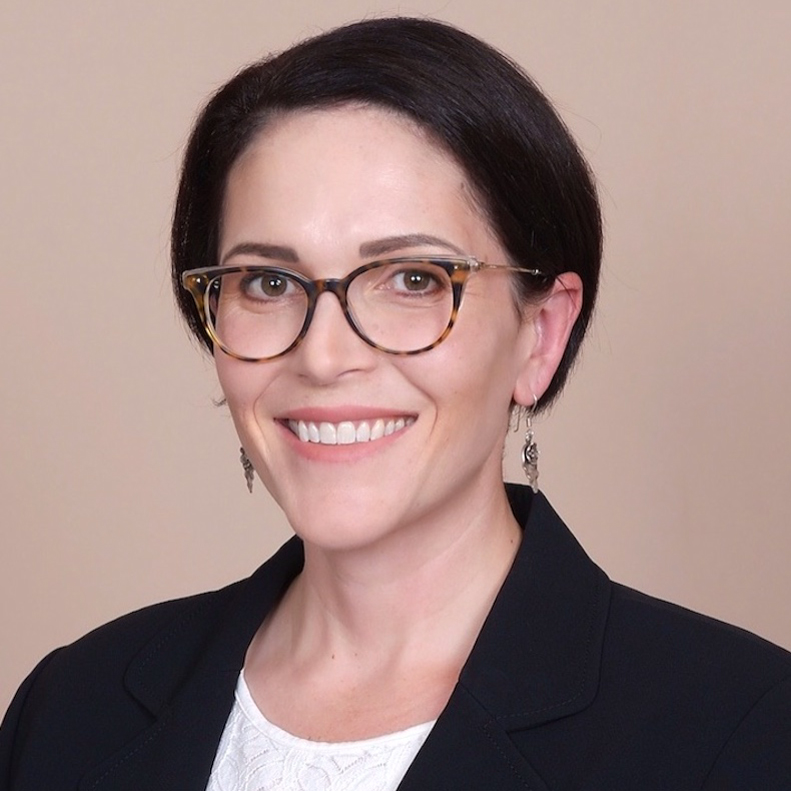
Emily Heydemann, M.D., M.S.W.
Undergraduate: Pomona College
Medical School: UTHealth San Antonio Joe R. & Teresa Lozano Long School of Medicine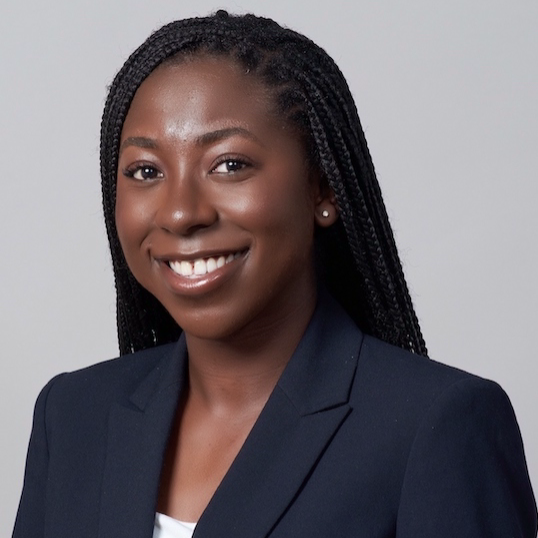
Ayomipo Ifidon, M.D.
Undergraduate: Georgia Southern University
Medical School: University of Pittsburgh School of Medicine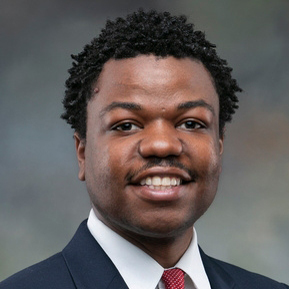
John-Stephane Kouam, M.D.
Undergraduate: Texas A&M University
Medical School: UTHealth San Antonio Joe R. & Teresa Lozano Long School of Medicine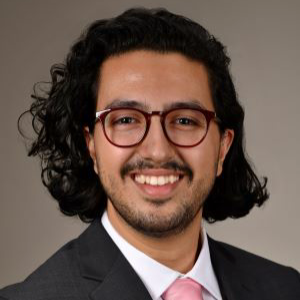
Seena Ounsinegad, M.D.
Undergraduate: University of Texas at Austin
Medical School: UTHealth Houston McGovern Medical School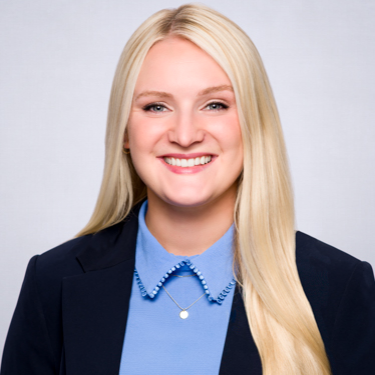
Kaylee Schrader, M.D., M.P.H.
Undergraduate: University of Oklahoma
Medical School: Texas Tech University Health Sciences Center School of Medicine - PGY 4
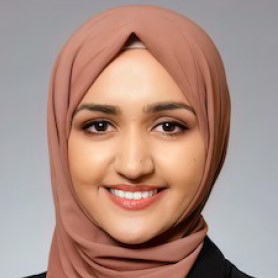
Kanwal Ahmed, M.D.
Undergraduate: University of Texas at Dallas
Medical School: UT Southwestern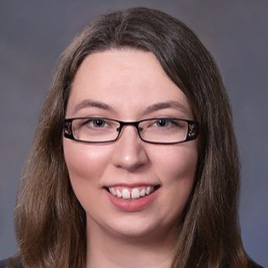
Rachael Carstens, M.D.
Undergraduate: Abilene Christian University
Medical School: Baylor College of Medicine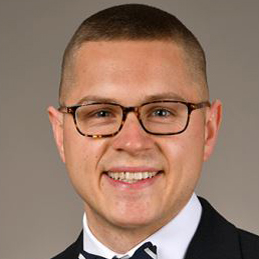
Colin Goodman, M.D.
Undergraduate: University of Dallas
Medical School: McGovern Medical School at University of Texas Health Science Center, Houston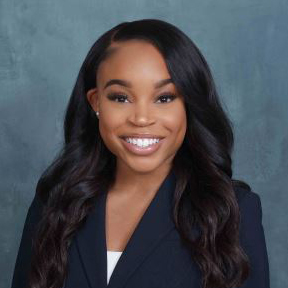
Brendalyn Iweh, M.D.
Undergraduate: Baylor University
Medical School: Texas Tech University Health Sciences Center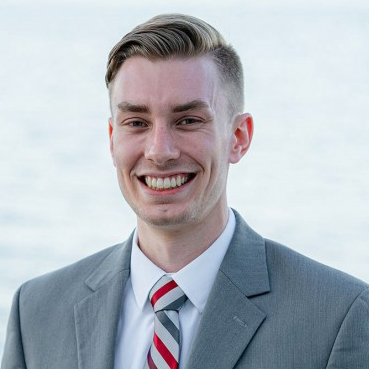
Benjamin Kannenberg, M.D.
Undergraduate: University of Oklahoma
Medical School: University of Wisconsin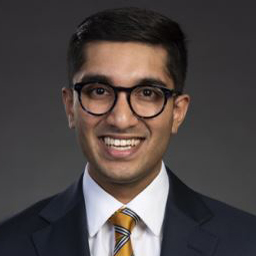
Kireet Koganti, M.D.
Undergraduate: University of Texas at Dallas
Medical School: Texas A&M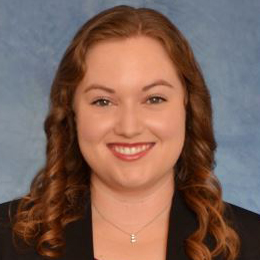
Nicole Larsen, M.D.
Undergraduate: University of Oklahoma
Medical School: University of Texas Medical Branch, Galveston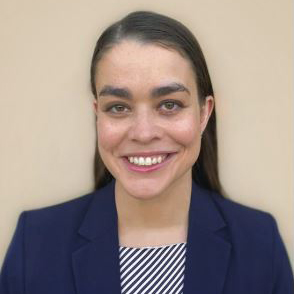
Olivia Rater, M.D.
Undergraduate: Yale University
Medical School: University of Wisconsin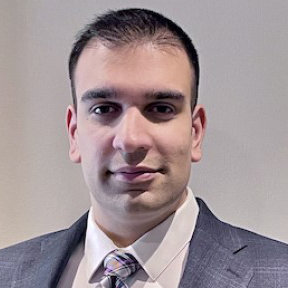
Seyed Parsa Ravanfar, M.D., Ph.D.
Undergraduate: University of Melbourne, Australia
Medical School: Shiraz University of Medical Sciences, Iran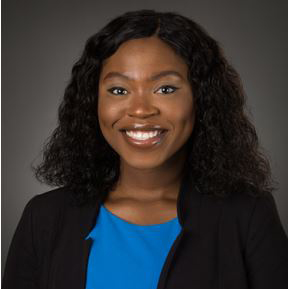
Abibat (Tobi) Saliu, M.D.
Undergraduate: University of North Texas
Medical School: Texas Tech University Health Sciences Center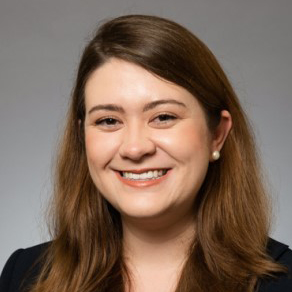
Brittany Turner, M.D.
Undergraduate: University of Texas at Austin
Medical School: UTSW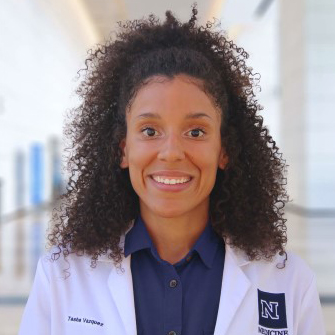
Tasha Vazquez, M.D.
Undergraduate: University of Nevada, Reno
Medical School: University of Nevada, Reno
“I started medical school knowing I wanted to pursue psychiatry, and UTSW's program was on my radar from the very first day. Despite being one of the largest programs in the country, UTSW fosters a tight-knit community where every resident feels like they belong. On interview day, I discovered that everything I had heard was true. I immediately felt welcomed. With the support and guidance of our wonderful faculty, each of us here has a tremendous variety of opportunities to forge our own unique paths to becoming the best mental health providers we can be.”
Resident Life
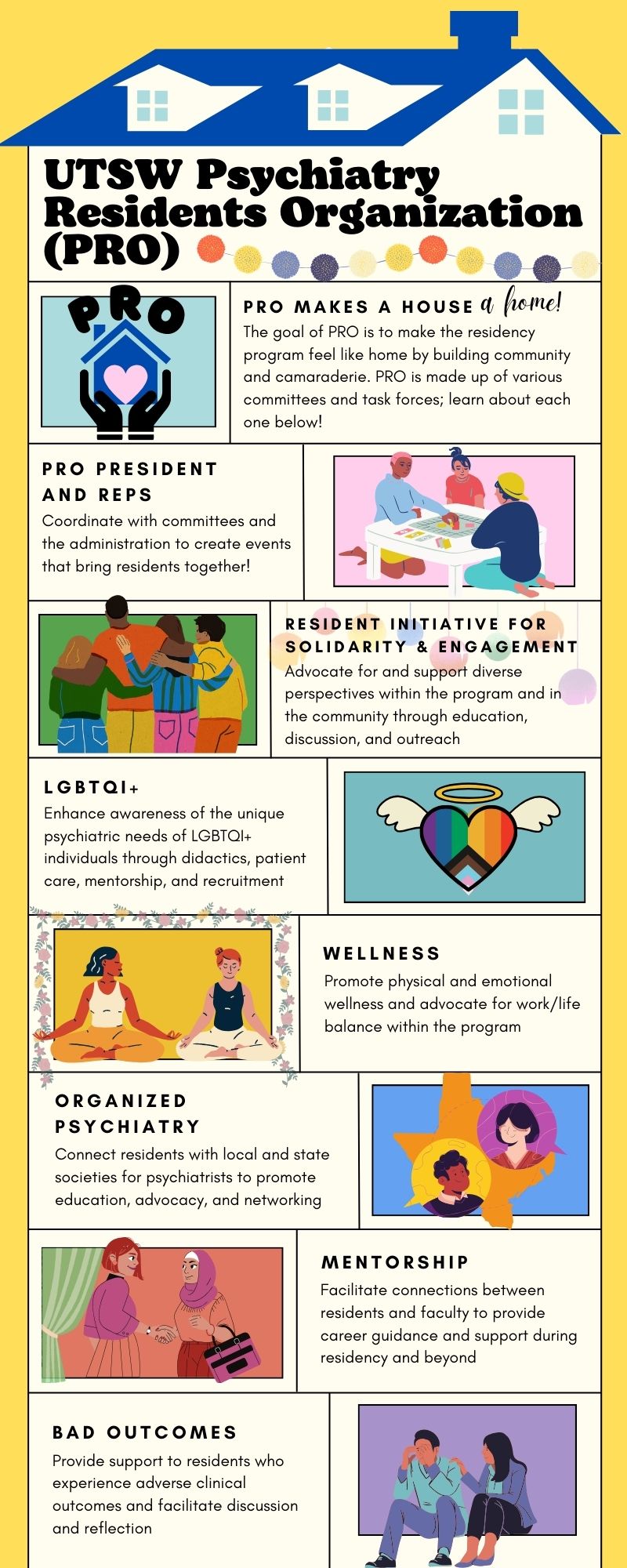
- Committees and Task Forces
Resident Initiative for Solidarity and Engagement (RISE) Together Committee
The RISE Together Committee is a resident-developed and resident-led group that was created to address issues of diversity and inclusion in our residency program with the goal of moving from a mindset of diversity as an independent goal to a mindset of diversity as a path to excellence in our program through the implementation of four initiatives: recruitment, creating a safe place to train, patient care, and resident education. Our goals are to raise awareness in faculty, staff, and residents about issues pertaining to racism, create a safe place to train, increase recruitment efforts of underrepresented minority residents, and teach faculty, residents, and staff about issues pertaining to race in patient care settings. We work to assess all aspects of residency training with subcommittees that focus on these topics: residency education/curriculum development, advocacy/community outreach, resident experience, patient experience, and resident recruitment. The RISE Together Committee operates under the residency education committee and receives substantial support from program leadership. Through the committee, initiatives have been developed such as the following:
- "Celebrate Diversity Day" dedicated to showcasing our residency program diversity
- Special education seminars at the African American Museum and Latino Cultural Center
- Lectures on microaggressions and discrimination as a social determinant of mental health
We have expanded already existing lectures on how to incorporate topics of race and culture when providing care to our diverse patient population and invited several Grand Rounds speakers to deliver lectures pertaining to race and diversity. The task force has also created new seminar content, including two special seminar days focused on African American and Latino mental health, held at the Dallas African American Museum and the Dallas Latino Cultural Center. The residency program has restructured didactics to include a full Cultural Psychiatry & Antiracism Curriculum and has developed and implemented an antiracism workshop, "Racism: A Black Mental Health Crisis," which is embedded within the Psychiatry Clerkship that includes participation from trainees, faculty, and staff.
We recently obtained a book fund to create a cultural library for our residents and to provide each resident with a copy of the Clinical Manual of Cultural Psychiatry.
LGBTQI+ Inclusion Committee
The LGBTQI+ Inclusion Committee was created by residents to enhance awareness of the unique mental health risks and psychiatric needs of LGBTQI+ individuals via four realms: didactics, patient care, mentorship, and resident recruitment. Sample activities:
- LGBTQI+ mental health seminar
- Therapy group for LGBTQI+ individuals in the Parkland outpatient psychiatry clinic
- Advocated for patient registration template changes in the electronic medical record
- Campus-wide mentoring group for residents and fellows
- Resident and medical student educational activities for improving LGBTQI+ health knowledge
Wellness Committee
The Wellness Committee aims to create a structure of support and interconnectedness between residents in the psychiatry program. We strive to promote wellness by planning and coordinating a variety of resident events, creating an avenue for advocacy with program leadership, and assisting residents with low-cost psychotherapy options. Many of the committee’s previous events and projects have fallen under the following categories: general socializing, mindfulness, fitness, nutrition, and parental support. To help achieve our goals, we work closely with the Resident Wellness Center, the Dallas Psychoanalytic Center, and our program leadership.
Mentorship Committee
The Mentorship Committee was created to assist each of our residents with identifying a mentor and engaging in a rewarding relationship that fosters career and personal development. We help with assigning mentors to interns and helping connect PGY 2-4 residents with mentors at UT Southwestern and in the community. We also host various events throughout the year (e.g., Speed Mentoring, Women in Psychiatry Social, Parents Support Groups) to help residents meet potential mentors.
See the Mentorship menu item for more details.
Bad Outcomes Committee
The Bad Outcomes Committee is a psychiatry faculty- and resident-run committee focusing on avenues by which we can discuss, process, and reflect on adverse outcomes in psychiatry. Our group defines a "bad outcome" as any patient care-related event that causes a resident significant distress. Examples include a patient suicide or attempted suicide, a patient’s adverse reaction to medication, or violence by a patient. A main goal of the committee is to ensure that residents are supported when they experience an adverse outcome. We developed the standard operating procedure after an adverse outcome, which is a formal procedure that provides concrete steps that will happen after a resident experiences an adverse event to ensure that the resident is supported.
We plan and implement bad outcomes conferences (also known as morbidity and mortality rounds) quarterly, during the weekly Grand Rounds time. These lectures consist of a faculty member presenting an anonymized case in which an adverse outcome has occurred. The goal is to learn and reflect on the case. We also plan a 4-hour special seminar during didactics in the spring, where we present various topics related to adverse outcomes in psychiatry.
Organized Psychiatry
The Organized Psychiatry Task Force seeks to serve the same purpose as organized psychiatry as a whole, to connect psychiatrists from various portions of the country, state, and local municipalities, in order to promote education, advocacy, and networking. The Task Force accomplishes this purpose by serving as a connection between the psychiatry residency and the Texas Society of Psychiatric Physicians (TSPP, a state-organized psychiatry organization) and the North Texas Society of Psychiatric Physicians (NTSPP, a county-organized psychiatry organization). Events throughout the academic year include, but are not limited to, TSPP conferences (Fall and Spring), with their associated Resident Fellow Member committee gatherings, and monthly NTSPP dinner meetings, which include didactics and networking opportunities.
- Mentorship Program
Objectives
- Identify and obtain support and guidance on clinical, research, personal, and administrative thoughts and ideas for residents in each postgraduate year
- Ensure each resident has at least one mentor by the end of residency
Advisee Responsibilities (PGY1)
- Begin identifying career interests, personal strengths, and weaknesses
- Learn how to set personal goals during training
- Contact advisor to arrange meetings (minimum expectation is to meet quarterly)
Mentee Responsibilities (PGY 2-4)
- Participate in self-reflection of personal strengths and weaknesses
- Participate in developing personal goals during training
- Set clinical priorities and develop professional profile
- Contact mentor to arrange meetings (minimum expectation is to meet quarterly)
Role of the Mentorship Committee
- Increase resident satisfaction with support for clinical, research, and personal matters
- Help identify particular areas where residents feel they need more support
- Help residents find mentors or change advisors/mentors (e.g., by providing profile information for available mentors)
- Resident Achievements 2024-2025
Leadership and Professional Development
Temitope Adedolapo was selected to present at the 2025 Dewitt C. Alfred, MD Psychiatric Symposium at Morehouse School of Medicine and has been selected by the Dallas County Commissioner to serve on the Board of The Sixth Floor Museum at Dealey Plaza.
Dhruba Banerjee, Tamanna Basri and Adam Brantley were elected to be on the PRO Council.
Rachel Beck was inducted as a resident member of the Alpha Omega Honor Society chapter of UTSouthwestern and served as President of the Psychiatry Residents Organization.
Julia Chavez was elected Vice Chair of the Psychiatry Resident Organization (PRO).
Enrique Chiu Han has been selected to participate in the American Psychiatric Association 2025 Research Colloquium for Junior Psychiatric Investigators.
Donald Egan was selected as a 2025 Laughlin Fellow of The American College of Psychiatrists and was awarded a travel scholarship to attend the International Society of ECT and Neuromodulation Annual Meeting.
Nabila Haque was selected for the American Psychiatric Association’s SAMHSA Minority Fellowship.
Ozlem Hokelekli was awarded the American Psychiatric Association/American Psychiatric Foundation Diversity Leadership Fellowship.
Aisha Julakanti was inducted as a resident member of the Alpha Omega Honor Society chapter of UTSouthwestern.
Jasmine Liu-Zarzuela was selected for the American Psychiatric Association’s Child and Adolescent Psychiatry Fellowship. She served as PGY-1 Class Rep, Psychiatry Resident Organization Rep, and on the Social Media Committee. She served as the Co-Director for the American Association for Community Psychiatry Mentorship Program and a Social Media Content Creator. She also served as the Social Media Co-Chair for AACAP MSR Committee and Co-Editor for the MSR Newsletter.
Christian S. Monsalve was selected as a member of the International Scientific Advisory Board of the 27th World Congress of the International Association for Child and Adolescent Psychiatry and Allied Professionals to be held in Hamburg, Germany in July 2026. He was also selected as a recipient of the Austen Riggs Award for Excellence in Psychotherapy and accepted to the 2025 APA Research Colloquium for Junior Psychiatrist Investigators. He also served on the American Psychiatric Association Council on Psychiatry as well as the Committee on Judicial Action as an APA/APAF Child & Adolescent Psychiatry Fellow.
Cesar Montelongo Hernandez was selected for the American Psychiatric Association’s Public Psychiatry Fellowship.
Kayla Murphy was selected to receive the American Psychiatric Association Leadership Fellowship.
Victoria Okuneye served as Psychiatry Residents Organization PGY3 Class Representative.
Seena Ounsinegad was elected Chair of the APA Foundation Diversity Leadership Fellowship and was made a member of the APA Board of Trustees, served as Vice President of the Psychiatry Residents Organization, was elected class representative of the rising PGY3 class and was nominated for the Outstanding Resident Contribution to Medical Student Education Award.
Thomas Pak was Chair of APA Public Psychiatry Fellowship and member of the APA Board of Trustees, Attendee of the Board of Trustee of APA, Chief Resident of UTSW Psychiatry Residency, Strategic Planning Committee of UTSW Psychiatry Residency, UTSW House staff Council Member.
Victoria Ragland was inducted as a resident member of the Alpha Omega Honor Society chapter of UTSouthwestern.
Shivani Raman was selected for the American Psychiatric Association/American Psychiatric Foundation Public Psychiatry Fellowship.
Parsa Ravanfar served as Psychiatry Residents Organization PGY3 Class Representative.
Celina Salcido has been selected to participate in the 2025 American Association for Geriatric Psychiatry Scholars Program.
Sadhana Sruveera Sathi graduated from the UT Southwestern Housestaff Emerging Academy of Leaders Program.
Lindsay Szauter was inducted as a resident member of the Alpha Omega Honor Society chapter of UTSouthwestern.
Jasmine Liu-Zarzuela and William Burton served as PGY1 class representatives. Seena Ounsinegad and Sarah Elmer served as PGY2 class representatives. Kanwal Ahmed and Tobi Saliu served as PGY3 class representatives. Donald Egan, Lindsay Szauter, Caila Lavine served as Chief Residents
William Burton and Jasmine Liu-Zarzuela were elected class representatives of the rising PGY2 class and Sarah Elmer and Seena Ounsinegad were elected class representatives of the rising PGY3 class. Kaylee Schrader, Thomas Pak, Temitope Adedolapo and Rachel Beck will serve as Chief Residents for 2025-2026.
Scholarly Presentations and Publications
Rachel Beck presented a workshop titled, “From Pre-Brief to Debrief: Using Simulation in a Changing Educational Environment” at the American Association of Directors of Psychiatric Residency Training 2025 Annual Meeting and presented a workshop titled, “Simulation Based Medical Education Strategies for Geriatric Psychiatry: A Brief Guide for a Diverse Population of Learners” at the American Association for Geriatric Psychiatric 2025 annual meeting.
Donald Egan presented “Intentional Storytelling in your Medical School Application” to the American Psychiatric Association’s Future Leaders in Psychiatry Program (FLIPP). Dr. Egan also updated the APA's patient and family page on PTSD: What Is Posttraumatic Stress Disorder?
Ozlem Hokelekli was an invited speaker at the session “Do International Medical Graduates Hustle Enough? Tales of Tenacity and Growth in IMGs.”
Vincent Li, Abbie Ewell and Juan Sosa presented the poster “Cocaine and Fentanyl Co-use with Alcohol Withdrawal: A Microcosm of the Challenges of the Fourth Wave of the Opioid Epidemic."
Jasmine Liu-Zarzuela presented a PechaKucha presentation "Medical Student CAP Awareness" and poster "Creating a Child and Adolescent Psychiatry Organization for Medical Students" at AACAP in Seattle. She was a co-author on the poster "Clinical Characteristics and Outcomes of St. Vincent’s Student-Run Psychiatry Clinic," which was awarded the Specialty Care Achievement Award at the Society of Student-Run Free Clinics Conference. She received the Trainee Travel Grant for the Texas Society of Psychiatric Physicians Annual Meeting and presented her poster “Evaluating Instagram's Teen Account Features: A Study on Eating Disorder Related Content and Safety Measures." At APA, she received the 2025 Innovations in Health Services Poster Award for her poster “Developing a Community Psychiatry Mentorship Program for Students, Residents, Fellows, Early Career Professionals and Established Psychiatrists,” which was selected to be featured by the Scientific Program Committee at the Community Psychiatry Hub. Her poster “Songs of Influence: Exploring Substance Use Trends in Music and Implications for Mental and Physical Health" was selected for the APA New Research Press Briefing. She was a co-author for the poster "Improving Primary Care Provider Comfort in Treatment of Psychiatric and Substance Use Disorders." She published two articles in JAACAP: "Assessing the Educational Value of YouTube Kids Videos Related to Anxiety, Depression, and ADHD" and "Can Artificial Intelligence Assess Suicide Risk in Youth?: Comparing ChatGPT-3.5, ChatGPT-4, and ChatGPT-4o to Psychiatrists." She published her article "Creating a Child and Adolescent Psychiatry Organization for Medical Students" in JAACAP Connect.
Christian S. Monsalve presented the poster "The Role of Psychotherapy for Youth with Gender Dysphoria following Systematic Reviews in Finland, Sweden, and the United Kingdom" at the 2025 Annual Meeting of the American Psychoanalytic Association in San Francisco. He delivered the Free Communications Talk "Recommendations for the Treatment of Youth with Gender Dysphoria Following Systematic Reviews in Finland, Sweden, and the United Kingdom" at the 24th World Psychiatric Association World Congress of Psychiatry in Mexico City. He presented the poster "Emerging European Recommendations for the Treatment of Youth with Gender Incongruence" at the 71st Annual Meeting of the Academy of Consultation-Liaison Psychiatry in Miami. He presented the poster "New Recommendations for the Treatment of Youth with Gender Dysphoria Following Systematic Reviews in Finland, Sweden, and the United Kingdom" at the 93rd Annual Education Conference of the Catholic Medical Association in Orlando. He also delivered the oral presentation "How Systematic Reviews Can Serve Debates in Medicine: Lessons from Finland, Sweden & the United Kingdom" at the North Texas Society of Psychiatric Physicians Resident Research Spotlight in Dallas.
Cesar Montelongo Hernandez published "Effects of the 9/11 terrorist attacks on family narratives and family systems" in the International Journal of Mental Health Promotion, he also published "Ethics of Using Artificial Intelligence for Medical Residency Personal Statements in Academic Psychiatry.
Seena Ounsinegad gave an oral presentation at the APA 2025 Annual Meeting titled "More Than Sexual Side Effect Management: Integrating Biomedical Prevention for HIV and STIs for Sexual Health Promotion in Psychiatric Practice."
Thomas Pak co-authored the research articles, “Systematic review and meta-analysis: Peripheral biological correlates of suicidality in children and adolescents”, “Preparing psychiatry residents for adverse patient outcomes: Results from a brief educational program.” and “Development and evaluation of a pilot short-term mental health curriculum with longitudinal evaluation for minority youth”. He authored the action paper, “Addressing Suicide Among Asian American and Pacific Islander Youth”. He also gave the presentation “Lifestyle Psychiatry in Practice: Savvy Approaches to Activating Behavior Change from the Asian American Experience” at the American Psychiatric Association Annual Meeting 2025.
Shivani Raman presented the poster "Family Support and Type 2 Diabetes Self-management Behaviors in Underserved Latino/a/x Patients" at the American Psychiatric Association annual meeting.
Allyson Davis and Aisha Julakanti were selected for the 2025 Excellence in Family-Oriented Care Award by the Association of Family Psychiatrists.
Donald Egan, Samir Abu-Hamad, Zachary Kennedy, and Rachel Beck published the paper “A Model for Formal Residency Training in Interventional Psychiatry” in Academic Psychiatry.
Ozlem Hokelekli and Adriane dela Cruz presented “Navigating Conflicts in Professional Settings: Preparing Residents for the Inevitable” at AADPRT.
John Stephane Kouam, Cesar Montelongo Hernandez and Thomas Pak co-authored a perspective article titled “Ethics of Using Artificial Intelligence for Medical Residency Personal Statements."
Teaching and Evaluation
Rachel Beck served as Psychiatry Facilitator for medical students in the UT Southwestern Colleges program.
Vincent Li received a Resident Educator Award from the Association for Academic Psychiatry.
Christian S. Monsalve gave the presentations "Systematic Reviews & Clinical Guidelines in Pediatric Gender Medicine" as well as "Euthanasia and Implications for Psychiatry" to UTSW residents medical students and was awarded a scholarship to attend PULSES: the Clinical TMS Society International Certification Course.
Cesar E. Montelongo Hernandez presented "Gut viral metagenomics and psychiatric disorders" in the CRI Scientific weekly meeting.
Thomas Pak Council member of the United States Federal Council on Graduate Medical Education and a Council member of the National Board of Medical Examiners.
Parsa Ravanfar received an American Academy of Child and Adolescent Psychiatry Education Outreach Program Award.
Enrique Chiu Han, Rachel Beck, and Zachary Kennedy planned and presented a 3-hour special seminar on psychedelics to graduating MS4 medical students as part of their Frontiers in Medicine curriculumAdvocacy and Community Service
Tanisha Adams visited Pearson Middle School and Kemp ISD to speak to young female athletes about mental health as part of a Dallas Mavericks GEM (Girls Empowered by Mavericks) Program initiative.
Jasmine Liu-Zarzuela founded the Resident and Fellow Member Committee of Texas Society of Child and Adolescent Psychiatry. She will be serving as the organized psychiatry (NSTPP) rep for the next academic year.
Christian S. Monsalve served as a facilitator of the UTSW chapter of the Hippocratic Society. He volunteers as a Counseling Coordinator for Faith Fitness Ministry, a 501(c)(3) non-profit organization in Dallas, where he connects young adults of limited financial means with grants subsidizing psychotherapy.
Thomas Pak co-founded a free mental health clinic night at Now Forward, was Chair of the UTSW Psychiatry Mentorship Committee and was Coordinator of the APA Fellows Advocacy Workshop.
Temitope Adedolapo, Courtney Chineme, Brendalyn Iweh, Bladimir Munoz, Jasmine Liu-Zarzuela and Abibat Saliu volunteered at the American Psychiatric Association Residency Fair.
Areej Ali, Tope Adedolapo, Kaylee Schrader, Cesar E. Montelongo Hernandez, Dhruba Banerjee, William Burton, Samir Abu-Hamad, Thomas Pak, Jonas Beyene, and Vika Ragland served as members of the Strategic Planning Group (SGP).
Victoria Okuneye served as RISE Chair, Nicholas Champagne-Aves as RISE Vice Chair, and Sruveera Sathi, Cesar E. Montelongo Hernandez, Jennifer Oruebor, and Rahul Tharoor as RISE officers.
Where Do Residents Go After Graduation?
- 2025
Name Career Path Rachel Beck, M.D. Continuing training at UT Southwestern as a Geriatric Psychiatry Fellow Donald Egan II, M.D., M.P.H. Continuing training at UT Southwestern as an Addiction Psychiatry Fellow Allyson Folsom Davis, M.D. Geriatric Psychiatry Fellowship at the University of Washington Fatma Özlem Hökelekli M.D., Ph.D. Child and Adolescent Psychiatry Fellowship at Massachusetts General Hospital Caila Lavine, M.D. Continuing training at UT Southwestern as a Child and Adolescent Psychiatry Fellow Christian Monsalve, M.D. Founder & Medical Director of Verigrate Health Diona K. Symester, M.D., M.P.H. VA Outpatient Clinic Samir Abu-Hamad, M.D. Consultation-Liaison Fellowship at Stanford University Sudad Kazzaz, M.D. Combined position in Internal Medicine and Psychiatry Giovani Zelada, M.D. Starting General Psychiatry and Integrated Primary Care/Psychiatry Outpatient Clinics at Healing Hands Ministries Health in North Dallas - 2024
Name Career Path Baig-Ward, Kimberlyn Maravet UTSW Forensic Psychiatry Fellowship Banner, Barbara UTSW Addiction Psychiatry Fellowship Boswell, Nicholas UTSW Faculty, Parkland Psychiatric Emergency Department Clark, Isabel UTSW Faculty, General Psychiatry Diack, Khady Child and Adolescent Psychiatry Fellowship, Children's National, Washington DC Jack, Jasmine Child and Adolescent Psychiatry Fellowship, Massachusetts General, McLean Hospital Jones, Cassandra UTSW Geriatric Psychiatry Fellowship Karlay, Brittany (Katherine) UTSW Faculty, Medical Director of Parkland ECT Program, Parkland Psychiatric Emergency Department Kotamarti, Vinay Psych ED Physician, Tower Health, Reading, PA Li, Chengxi (Vincent) UTSW Addiction Psychiatry Fellowship McLean, Charlotte Hospitalist and Inpatient psychiatry, University of Washington Morelli, Danielle Gastroenterology & Hepatology Fellowship, New York Presbyterian-Weill Cornell Medical Center Nguyen, Emily UTSW Child and Adolescent Psychiatry Fellowship Narapureddy, Sravan Outpatient Group Private Practice, West Palm Beach, Florida Newton, Scott Salience Health Ramamurthy, Swetha UTSW Child and Adolescent Psychiatry Fellowship - 2023
Name Career Path Nora Abdullah, M.D. Child and Adolescent Psychiatry Fellowship, Yale Alexandra Antonioli, M.D., Ph.D. Adjunct Assistant Professor, UTSW Joyce Chen, M.D. Outpatient Psychiatrist/Neurologist, Spokane, WA Lillian Cole, M.D., M.S. Talkiatry Brayden Efseroff, M.D. Child and Adolescent Psychiatry Fellowship, UTSW Audrey Eichenberger, M.D. Geriatric Psychiatry Fellowship, University of Washington Sarah Hergert, M.D. Child and Adolescent Psychiatry Fellowship, UTSW Colette Kendrick, M.D. East Texas Behavioral Network Neema Khonsari, M.D. Lone Star Circle of Care (FQHC located in Round Rock, TX) Joshua Lampley, M.D. North Texas Veterans Affairs - Outpatient Trauma Clinic Marisela Muñoz Puga, M.D. Child and Adolescent Psychiatry Fellowship, UTSW Kwame Nuako, M.D. Forensic Psychiatry Fellowship, Stanford Eduardo Rivera Mirabal, M.D. Talkiatry Alex Rollo, M.D. VA Clinic - Monterey, CA Rija Siddiqui, M.D. Private Practice - Thorntree Psychiatric Associates in Dallas Natalie Spiller, M.D. Assistant Professor, UTSW Joshua Walther, M.D., M.P.H. Addiction Psychiatry Fellowship, UTSW Bernice Yau, M.D. Consultation-Liaison Psychiatry Fellowship, Columbia Laura Yuan, M.D., Ph.D. Assistant Professor, UTSW - 2022
Name Career Path Samia Arthur-Bentil, M.D. Private Practice Kaylee Davis, M.D. Child & Adolescent Psychiatry Fellowship, UTSW Anna Faubion, M.D. Child & Adolescent Psychiatry Fellowship, UTSW Michael Giles, M.D. Sonara Health CEO Charles Ho, M.D. Child & Adolescent Psychiatry Fellowship, UTSW Jay Italiya, M.D. Private Practice Darlene King, M.D. UTSW Alexis Kropf, M.D. Talkiatry/Moonlight in Parkland Psychiatry ER Megan Lowther, M.D. Private Practice Hunter Neely, M.D. Forensic Psychiatry Fellowship, University of California, Davis Marquis Peacock, M.D. ACT Team, Charlotte, NC Damilo Salako, M.D. Private Practice Jenny Tan, M.D. Private Practice Margaret Wang, M.D. Geriatric Psychiatry Fellowship, University of Washington, Seattle Ashlin Szalanski, M.D., M.P.H. Combined Position at Massachusetts General Hospital - 2021
Name Career Path Arqam Abdali, M.D. Addiction Psychiatry Fellowship, UT Southwestern Evelyn Ashiofu, M.D. Child & Adolescent Psychiatry Fellowship, New York Presbyterian Hospital Antara Banik, M.D. Child & Adolescent Psychiatry Fellowship, New York Presbyterian's Combined Columbia/Cornell Cecilia Fitz-Gerald, M.D. Consultation-Liaison Psychiatry Fellowship, Yale-New Haven Hospital Michael Jennings, M.D. Consultation-Liaison Psychiatry Fellowship, UT Southwestern Eleanore Knox, M.D. Eating Recovery Center, Plano, TX Dimitri Macris, M.D. Child & Adolescent Psychiatry Fellowship, University of California, San Francisco Maryann Muyco, M.D. Outpatient Psychiatry Practice, Houston, TX Amelia Rezai, M.D. Private Practice Arielle Rubin, M.D. Child & Adolescent Psychiatry Fellowship, Phoenix Children’s Hospital, Arizona Juan Sosa, M.D. Forensic Psychiatry Fellowship, University of Colorado Anschutz Medical Campus Christopher Sterwald, M.D. Forensic Psychiatry Fellowship, University of California, Davis Jarrod Tunnell, M.D. Child & Adolescent Fellowship, UT Southwestern Halide Turkozer, M.D. Child & Adolescent Fellowship, Mass General/McLean Hospital, Boston Megan Verlage, M.D. Faculty, UT Southwestern (Inpatient Psychiatry Service) Robert Weir, M.D. Combined Position at Blue Sky Neurology at St. Marks Hospital, Salt Lake City - 2020
Name
Career Path
Saira Bhatti, M.D. Forensic Psychiatry Fellowship, Columbia University
Theresa De Freitas Nicholson, M.D.
Forensic Psychiatry Fellowship, New York University
Karen Duong, D.O.
Geriatric Psychiatry Fellowship, UT Southwestern
John Dykema, III, M.D.
Faculty at UT Southwestern, Ambulatory Clinic
Andrew Fritz, M.D.
Faculty at UT Southwestern, Veterans Administration Hospital Trauma Clinic
Rogelio Garcia, M.D., M.D.
Outpatient Psychiatrist, County Hospital affiliated with University of Texas Health Science Center, San Antonio
Joseph Guillory, M.D.
Child and Adolescent Psychiatry Fellowship, UT Southwestern
Susana Lampley, M.D.
Forensic Psychiatry Fellowship, UT Southwestern
Carlisdania Mendoza, M.D.
Faculty, Outpatient Psychiatrist at Maimonides Medical Center, New York City
Patrick O'Malley, M.D., M.P.H.
Child and Adolescent Psychiatry Fellowship, Baylor College of Medicine
Lindsay Page, M.D.
Geriatric Psychiatry Fellowship, Baylor College of Medicine
Tulsie Patel, M.D.
Outpatient Psychiatry Practice, Los Angeles
Mohona Sadhu, M.D.
Faculty at UT Southwestern, Inpatient Psychiatry Service
Meagan Whitney, M.D.
Faculty at UT Southwestern, Emergency Psychiatry Department
Rachel Zettl, M.D., M.Ed.
Child and Adolescent Psychiatry Fellowship, UT Southwestern