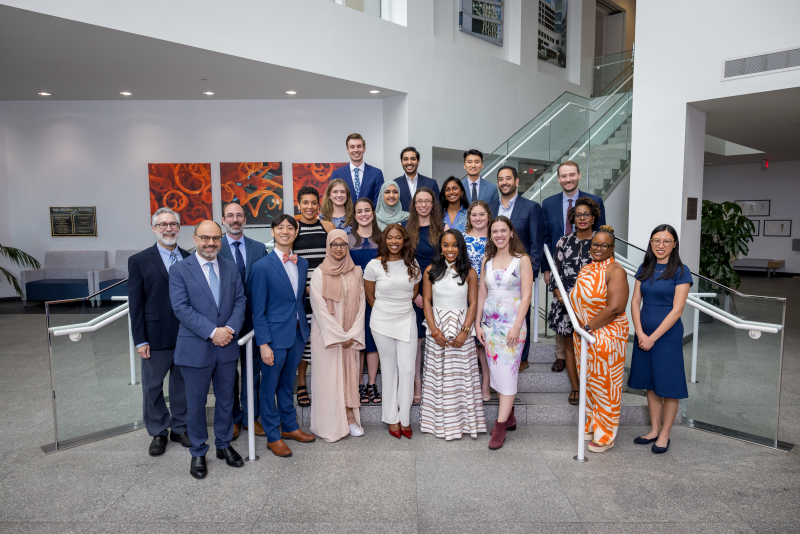
General Psychiatry Residency Program
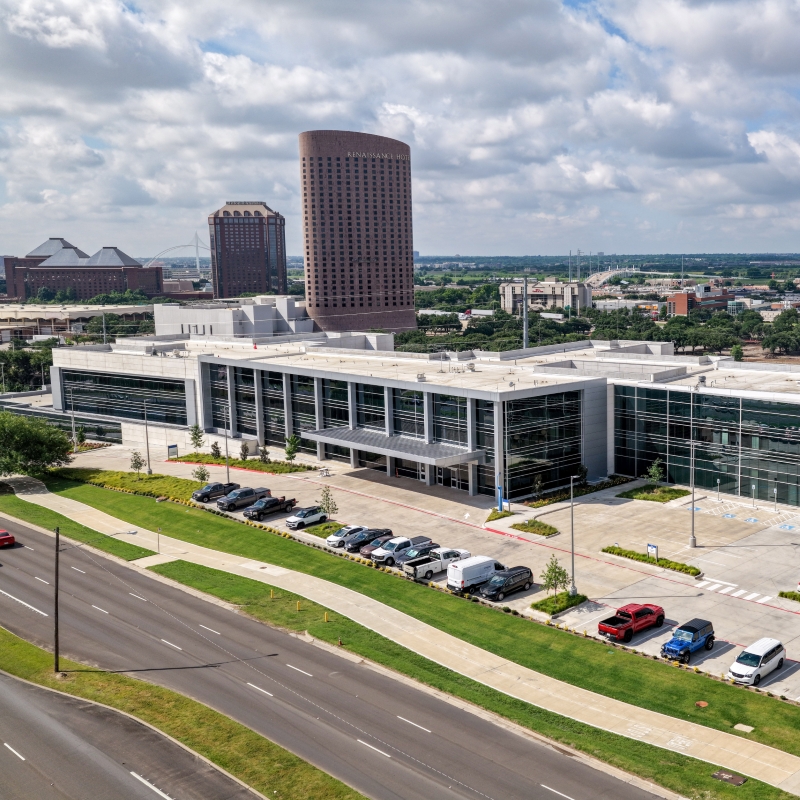
We train psychiatrists who are expert in the brain, the mind, and social systems and highly capable at working in teams and care systems, who meet each patient with dignity and the desire to listen, and who feel supported by our training community and in turn support each other. Our residents graduate at the cutting edge of all aspects of psychiatry, trained by outstanding, evidence-oriented clinicians to provide excellent clinical care to patients. In our innovative, exciting didactic and clinical/experiential base for training, faculty and residents work together, balancing clinical service and education. Our patients are diverse in every way: ethnoculturally, socioeconomically, and by clinical service (private, public sector, community). This variety ensures our residents can practice psychiatry anywhere with anyone.
Program Overview
- Our Values, Mission, and Vision
Values
Service, Healing, Advocacy, Research, Education, and Duty
Mission
SHARED Values, SHARED Vision, SHARED Excellence
Vision
The UT Southwestern Psychiatry Residency Program is dedicated to developing physicians who prioritize comprehensive patient care and champion the recovery of the whole person. We are committed to training a diverse group of resident physicians who embody our core SHARED values of: Service, Healing, Advocacy, Research, Education, and Duty. Our program emphasizes the application of evidence-based, state-of-the-art, biopsychosocial models of treatment to address the diverse mental health needs of patients across various healthcare settings.
We are committed to cultivating personalized career training pathways for our residents via unique training experiences, broad elective opportunities, and access to exceptional mentorship from nationally renowned faculty. We ensure the effectiveness of our training by focusing on core competencies such as clinical excellence, research aptitude, effective advocacy, and leadership at the local, state, national, and international levels.

- Evidence-Based Psychiatry
Our curriculum is evidence based not only in content but also in teaching. Our didactic curriculum is based on the most up-to-date understanding of how adults learn, and we rigorously study our educational efforts to make sure we are effectively teaching and inspiring our residents.
The presence and involvement of internationally recognized researchers is central to our residents engaging with the latest, most advanced, evidence-based clinical tools to prepare them to administer treatments yet to come. Our exciting research programs include:
- Biomarkers for mental illness
- Functional imaging in schizophrenia, depression, anorexia, addictions, and more
- Psychotherapy research, including individual and family
- Mental health systems and quality improvement
- Psychopharmacology
- Adult autism
- Early psychosis
- Molecular genetics of serious mental illness and addictions
- Neurobiology of psychiatric illnesses
- Neuroplasticity, epigenetics, and adult neurogenesis
- Dopamine in brains of schizophrenia and Alzheimer’s disease
- ECT, MST, and DBS for treatment-resistant mood disorder
- Neurobiology of genetic vulnerability to stress
- Neuronal signal transduction processes
- Cognitive/social neuroscience and eating disorders
- Sleep and arousal mechanisms, circadian rhythms, and the molecular clock
- Dissemination and implementation research, including medication algorithms
- Treatment resistance in mood disorders, bipolar disorder, depression, anxiety, and substance abuse
- Effectiveness of interventions in real-world settings
- Psychiatric epidemiology
- Neuropsychology
- Breadth of Exposure and Diversity of Careers
Our graduates are prepared to go in any direction they choose, having been exposed in depth, with appreciative understanding, to every area within psychiatry. We offer ACGME-accredited fellowships in addiction, child and adolescent, consultation-liaison, forensic, and geriatric psychiatry and sleep medicine. Some of our graduates elect to pursue these fellowships with us while others are accepted at other prominent U.S. programs.
Our graduates have gone on to private practice, basic or clinical research careers, psychoanalytic training, academic appointments all over the U.S., and public psychiatry. Many have chosen to join our own rapidly growing faculty. We welcome applicants with any of these aspirations (or others we haven’t yet thought of), and we strive to help all our residents define their individual interests and plan a personally fulfilling career.
- Serving the Needs of Our Diverse Dallas Community
Advocating for Our Patients and Pursuing Health Care Equity
Our patients cannot flourish if they are not part of a supportive community. Therefore, advocacy for our patients is an important part of our identity. We are dedicated to pursuing health care equity through vigorous efforts to educate and expose our trainees to the cultural expanse of our community. Furthermore, we value the broad backgrounds that our trainees and staff bring to our environment.
Over two-thirds of the Dallas population identify as an ethnic minority. Dallas has the largest population of individuals who identify as LGBTQIA+ in Texas and one of the largest in the U.S. The Latin American community in Dallas is one of the fastest growing in the country.
Rotations and Clinical Sites with Patients from Various Backgrounds
Our residents have the opportunity for a vast array of different rotations and clinical sites and work with a diverse patient population:
- Parkland Hospital Inpatient Psychiatry Unit, C/L service, and Psychiatric Emergency Department
- Parkland Outpatient Psychiatry Clinic
- Dallas Veterans Affairs Hospital (2nd largest VA Hospital in the US!)
- Metrocare Outpatient Services: opportunity to do community-based mental health treatment, work with Assertive Community Treatment (ACT) teams, and participate in community outreach with the Dallas homeless population
- Forensic experience at the Dallas County Jail
Electives Promoting Unique Cultural Exposure
We offer elective opportunities for Psychiatry Residents in settings that promote diverse learning experiences:
- College Mental Health at Paul Quinn College
- Refugee Mental Health Clinic
- Global Mental Health Experience in Guyana
- Veterans Community Outpatient Rotation
- Teaching Adolescents at Local High Schools
Curricula Emphasizing Culture and Diversity
PGY1
- Introduction to Discrimination as a Social Determinant of Mental Health
- Global Mental Health
- Cultural Formulation
- LGBTQI+ Mental Health
PGY2
- Assertive Community Treatment
- LGBTQI+ Mental Health and Substance Abuse
- Refugee Mental Health
- Troubleshooting Multicultural Factors
- Transitional Age Youth
PGY3
- Financial Planning for the Resident
- Ethical Issues Raised by the Use of Social Media by Patients and Providers
- Collaborative Care
- Mindfulness
PGY4
- Social Media in Mental Health
- Cultural Factors in Psychiatry
- Antipsychiatry
- Social Determinants of Mental Health
- History of Psychiatry
- Religion and Psychiatry
Additional Learning Opportunities Emphasizing Inclusive Excellence
Didactic lectures on special topics with objectives and activities developed by residents:
- African Americans' Mental Health at the African American Museum
- Latino Mental Health at the Latino Cultural Center
- Understanding Cross Cultural Experiences
Grand Rounds:
- Educational series that includes expert speakers who focus on health equity in mental health care delivery
Literature and Psychiatry:
- Series embedded within didactics in which we read literature chosen by residents (e.g., poems, short stories)
- The Literature and Psychiatry work group and the Resident Initiative for Solidarity and Engagement (RISE) Together committee ensure required readings come from authors of various backgrounds and that stories are reflective of cultural differences
Training Sites
Our residents encounter a wide variety of patient populations and systems of psychiatric care through our affiliate institutions:
- Parkland Health & Hospital System, one of the nation's premier public county hospitals
- William P. Clements Jr. University Hospital, a UT Southwestern hospital
- Dallas Veterans Affairs Medical Center, one of the VA's academic flagship centers
- Children's Health Dallas, a private tertiary care pediatric hospital
- Metrocare Services, an innovative public-private community psychiatry system
- University of Texas Arlington and University of North Texas Student Mental Health
We involve every resident in each setting in a coherent plan that balances patient care and education. Diversity of settings allows residents to care for the widest possible range of patients by diagnosis, ethnic background, socioeconomic status, and location.
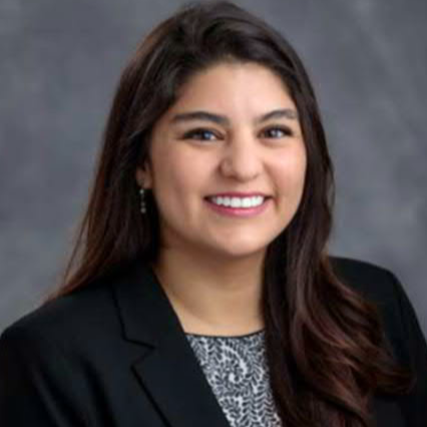
“I chose UT Southwestern because I wanted to work with patients who were Spanish speaking, and it's been an important part of my training to be able to relate to patients in their language. It was really important to go to an institution where the care that we provide to patients who are underinsured is such high quality. You have the opportunity to rotate on a dedicated psychiatric emergency space, and you see all kinds of presentations. This program has so many opportunities for you to tailor your training specific to what your interests are.”
Application Process
We use ERAS.
We conduct virtual interviews. Details regarding the Match 2027 interview season will be posted once they are available.
- Necessary Items
All Application Packages Must Include:
- Personal Statement
- Medical Student Performance Evaluation (Dean's Letter)
- Medical School Transcript
- USMLE or COMLEX Transcript
- Three letters of recommendation (at least one from a psychiatrist)
- CV
- Photograph
- ECFMG certificate (for International Medical Graduates only; we routinely sponsor J-1 visas and can discuss with applicants directly if they have specific questions about other visa sponsorship)
Other Items:
- Medical school diploma
- Visa documentation (if applicable; only J-1 visas are sponsored)
- Additional Information
We must receive the completed application before we will interview for the Match cycle.
We virtually interview 8 applicants per day. The Thalamus invitation includes extensive details.
Please note that as part of the application and interview process for a potential residency position in our program, we are accredited by the Accreditation Council for Graduate Medical Education and you would need to meet ACGME requirements for matriculation in our program.
Upon graduation from our residency training program, most of our graduates seek board certification from either the American Board of Psychiatry and Neurology or the American Osteopathic Board of Neurology and Psychiatry. The process of board certification is separate from residency training and has additional requirements. Some board organizations require completion of all your education in an ACGME-accredited residency. Please contact the appropriate certifying board to understand your eligibility for board certification before accepting (if offered) a residency position at our institution.
For more information or any questions, please contact our education team:
- Phone: 214-648-7312
- Fax: 214-648-7370
- psychiatry.education@utsouthwestern.edu
Letter from the Chief Residents
- Learn About Our Psychiatry Residency Program
As chief residents, we are honored to serve our UT Southwestern Psychiatry community and contribute to the continued growth of our program. Guided by a mission of SHARED Values, SHARED Vision, and SHARED Excellence, we intend to foster a collaborative culture and ensure that every resident feels respected and empowered to succeed. The SHARED values of Service, Healing, Advocacy, Research, Education, and Duty shape not only how we care for our patients, but also how we care for one another.
Training in the Dallas-Fort Worth metroplex offers extraordinary clinical breadth. Our residents care for patients across public, private, pediatric, forensic, and community-based settings, gaining experience with an exceptionally diverse patient population and the full spectrum of psychiatric illness. By combining outstanding psychotherapy training, world-class research opportunities, and varied elective and concentration opportunities, our program inspires and equips residents to pursue any career path in psychiatry.
Our program has long encouraged residents to never worry alone, a philosophy we chiefs embrace wholeheartedly. This is reflected in our commitment to preserve and strengthen this perspective by remaining accessible, leading with transparency, and advocating for resident wellness at every turn. We believe the strongest residency programs are built on trust, open communication, and psychological safety, those in which residents feel comfortable asking questions, seeking help, sharing ideas, and learning from mistakes.
Among the greatest strengths of our program are its people. The residents, faculty, and staff comprise a welcoming community that values collaboration over competition and seeks to learn from one another, celebrate achievements, and build lasting relationships. Our patients and colleagues come from a rich variety of backgrounds and experiences, and we believe these differences enrich our lives both personally as well as professionally.
All in all, the four of us are incredibly proud to be part of this residency program and immensely grateful for the opportunity to lead it as chief residents. Rooted in our SHARED values and inspired by the many people who make this community so special, we look forward to working alongside our residents, faculty, and staff to become the best psychiatrists we can be — for our patients, our colleagues, and one another.
Gameli Anthonio, M.D.
William Burton, M.D.
Sarah Elmer, M.D.
Seena Ounsinegad, M.D.- Phone: 214-648-7312
- Fax: 214-648-7370
- psychiatry.education@utsouthwestern.edu
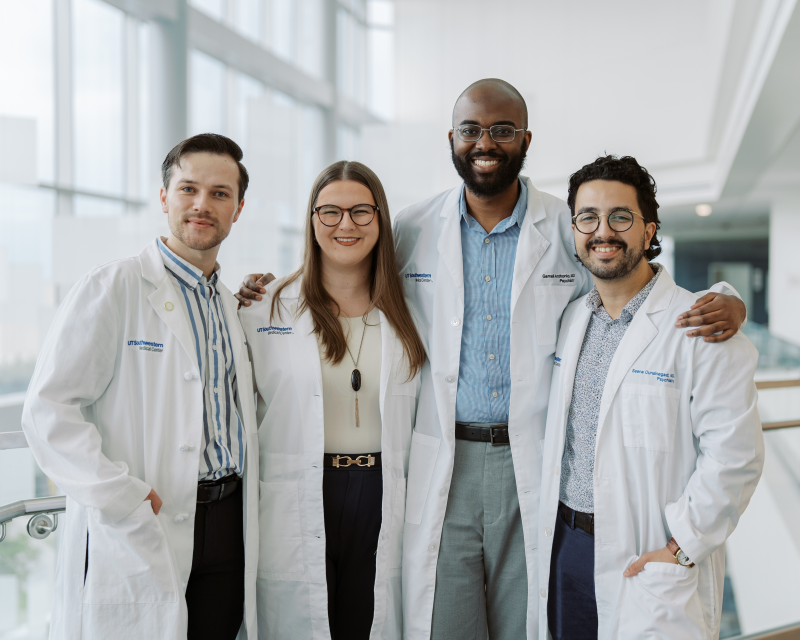
Chief Residents
(left to right)
William Burton, M.D.
Sarah Elmer, M.D.
Gameli Anthonio, M.D.
Seena Ounsinegad, M.D.
Program Structure
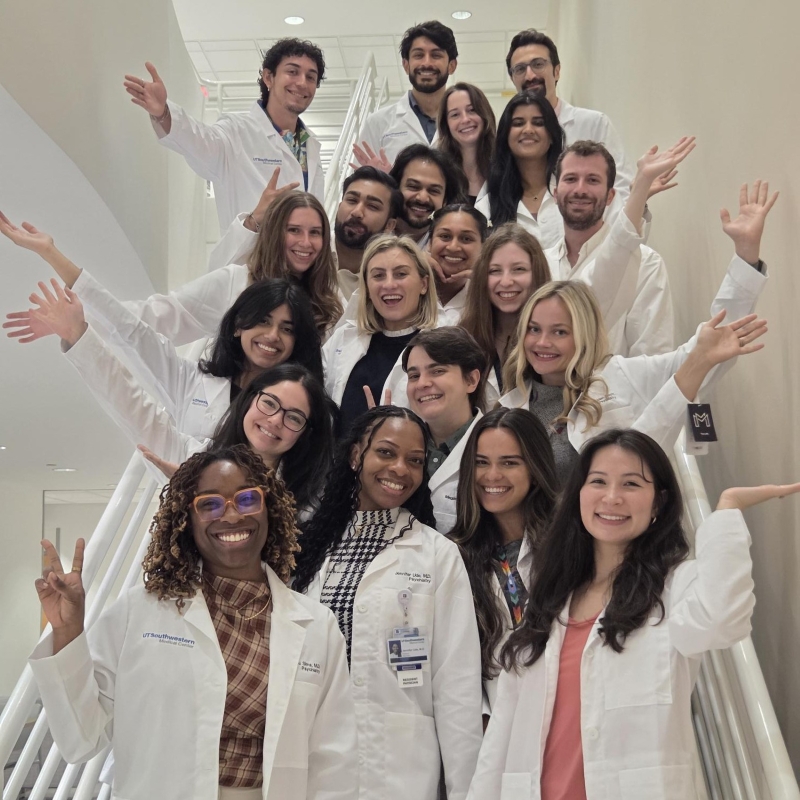
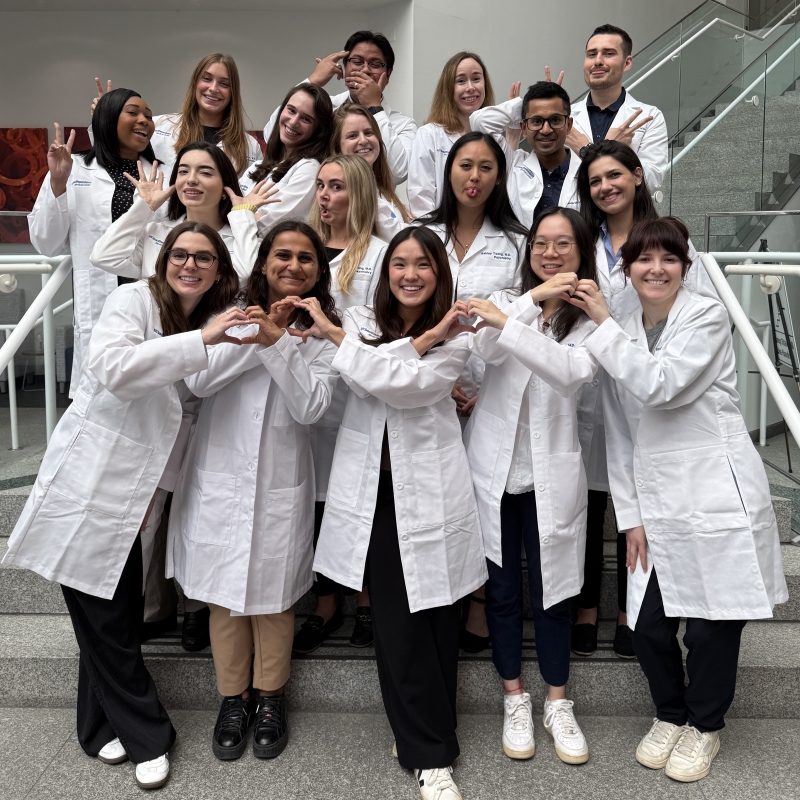
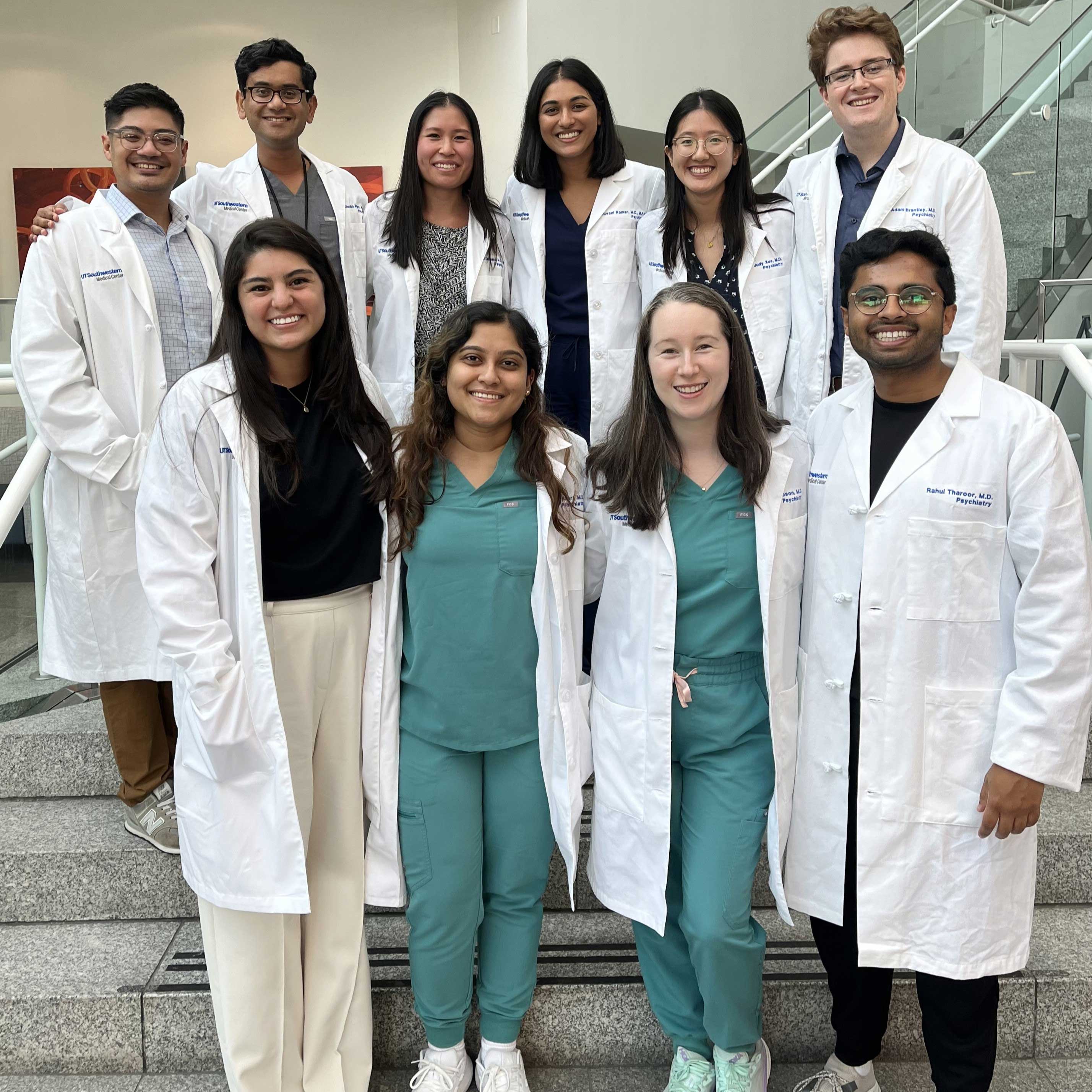
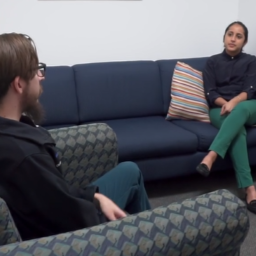
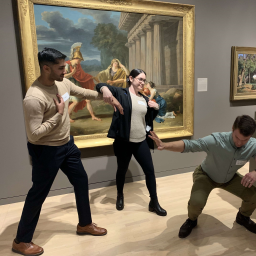
Residents propose and plan three didactics afternoons each academic year for special education programs with faculty support
Special EventsSpecial Events
Residents
- PGY 1
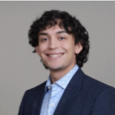
Luke Cantu, M.D.
Undergraduate: Rice University
Medical School: Washington University School of Medicine, St. Louis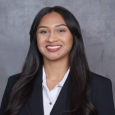
Pratima Gangupantula, M.D., M.P.H.
Undergraduate and Graduate School: University of Texas Health Science Center at Houston
Medical School: UT Health Science Center at San Antonio Joe R. and Teresa Lozano Long School of Medicine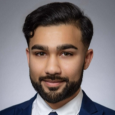
Mohammad Khan, M.D., M.P.H.
Undergraduate: Texas A&M University
Medical School: University of Texas Southwestern Medical Center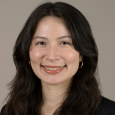
Isabel Kilroy, M.D.
Undergraduate: Rice University
Medical School: McGovern Medical School, UT Health Science Center at Houston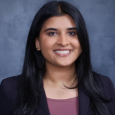
Benita Lalani, M.D.
Undergraduate: University of Houston
Medical School: UT Medical Branch John Sealy School of Medicine
Sarah (Morgan) Motakef, M.D.
Undergraduate: University of Texas at Austin
Medical School: Baylor College of Medicine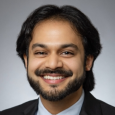
Bilal Rehman, M.D., M.T.S.
Undergraduate: Rice University
Graduate: Harvard University
Medical School: University of Texas Southwestern Medical Center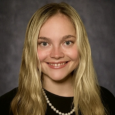
Sheridan (Sher) Scott, M.D.
Undergraduate: Lehigh University
Medical School: University of Kansas School of Medicine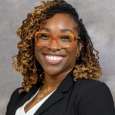
Courtni Sims, M.D., M.Sc.
Undergraduate: Tuskegee University
Graduate: University of Alabama at Birmingham
Medical School: Howard University College of Medicine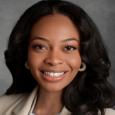
Jennifer Ude, M.D., M.Sc.
Undergraduate: University of Michigan - Ann Arbor
Graduate: Vanderbilt University
Medical School: Michigan State University College of Human Medicine, Detroit Campus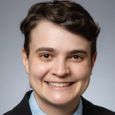
Megan Ungerman, M.D.
Undergraduate: Dartmouth College
Medical School: University of Texas Southwestern Medical Center - PGY 2
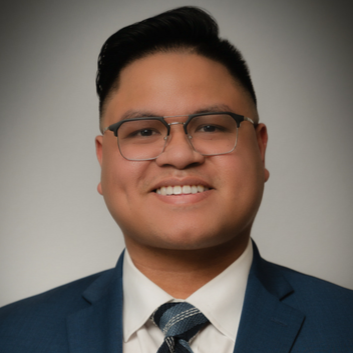
Roald Credo, M.D.
Undergraduate: Texas Tech University
Medical School: Texas Tech University Health Sciences Center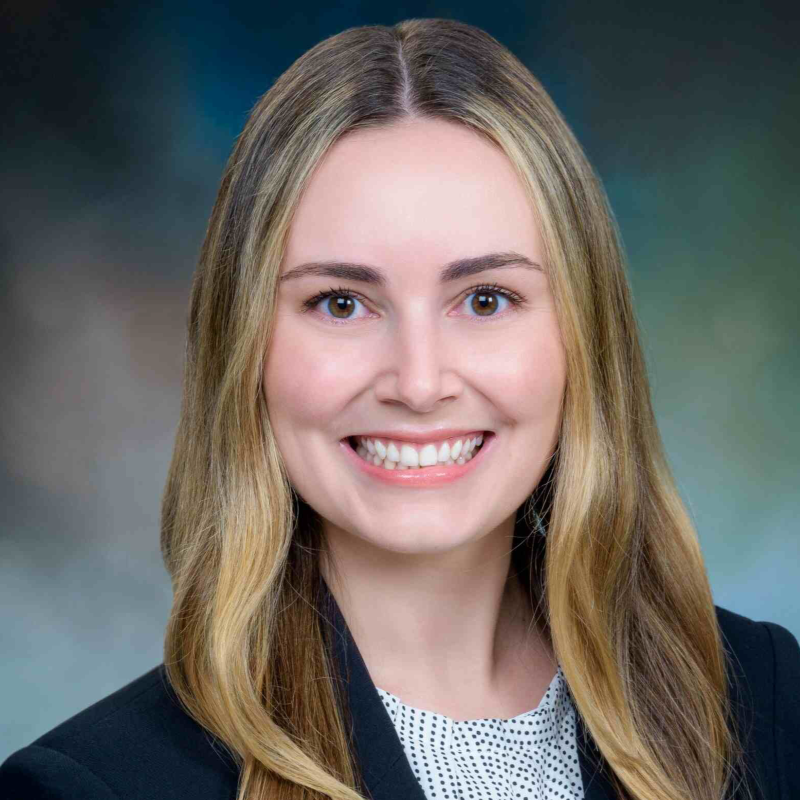
Emma Easterling, M.D.
Undergraduate: University of Texas Medical Branch
Medical School: University of Texas Medical Branch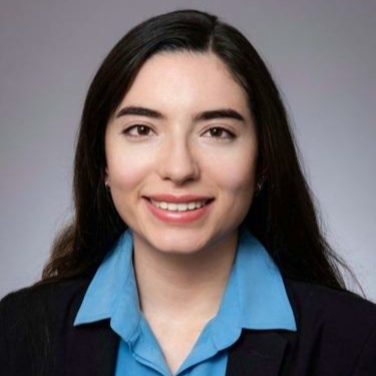
Viviana Gonzalez, M.D., M.B.A.
Undergraduate: Baylor
Graduate: University of North Texas
Medical School: University of Texas Southwestern Medical Center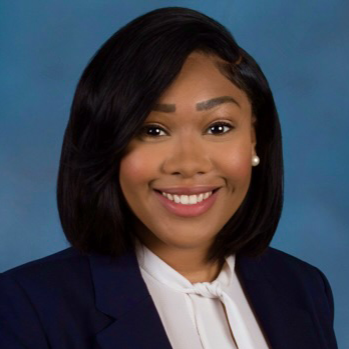
Trinity Houston, M.D., M.P.H.
Undergraduate: University of Kentucky
Graduate and Medical School: University of Alabama at Birmingham Marnix E. Heersink School of Medicine
Alexandra Koehler, M.D.
Undergraduate: University of Kansas
Medical School: University of Kansas
Sloan Long, M.D.
Undergraduate: Southern Methodist University
Medical School: Texas A&M Health Science Center
Siddharth Prasad, M.D., M.Ed.
Undergraduate: Rice University
Graduate: University of Texas, Austin
Medical School: University of Texas School of Medicine, San Antonio
Alison Schafer, M.D.
Undergraduate: Rice University
Medical School: Louisiana State University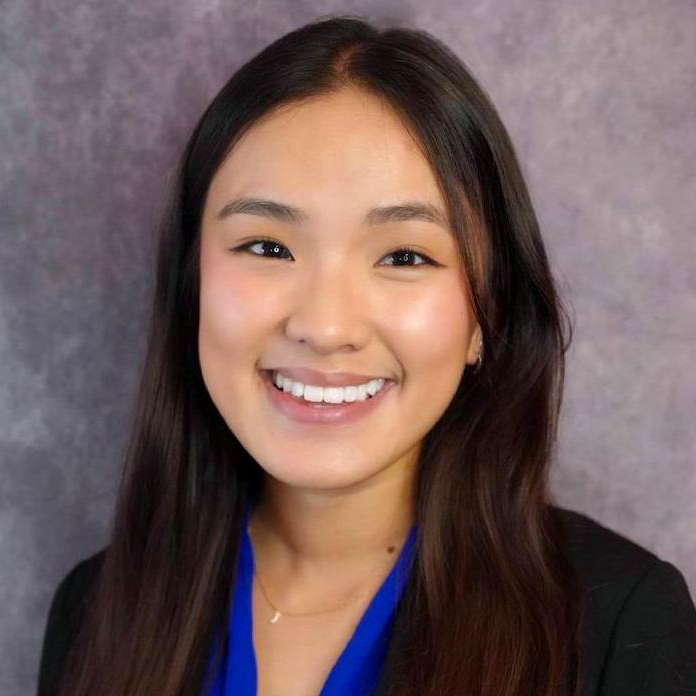
Jessica Tran, M.D.
Undergraduate: University of Houston
Medical School: University of Texas Medical Branch John Sealy School of Medicine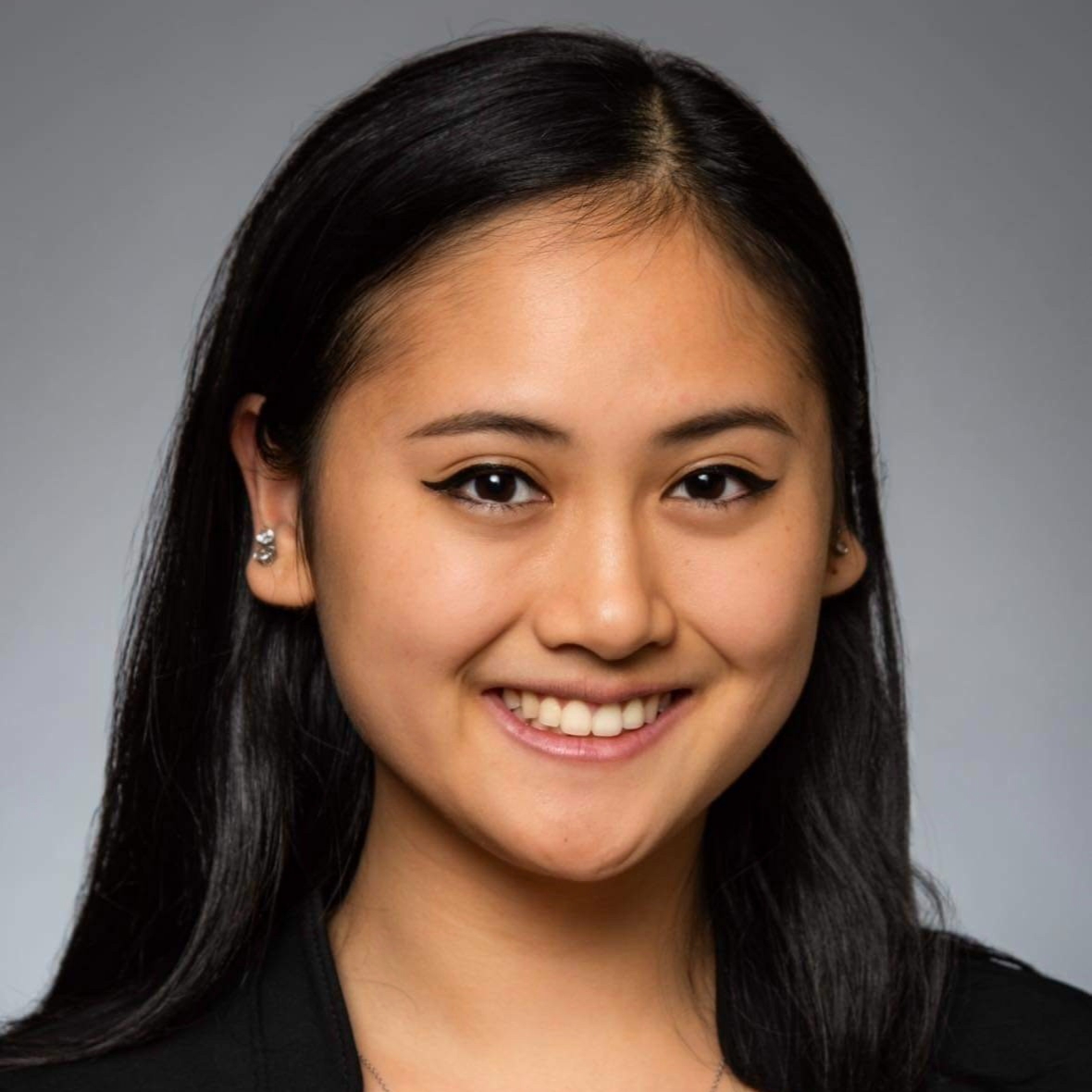
Ashley Tsang, M.D.
Undergraduate: Rice University
Medical School: University of Texas Southwestern Medical Center
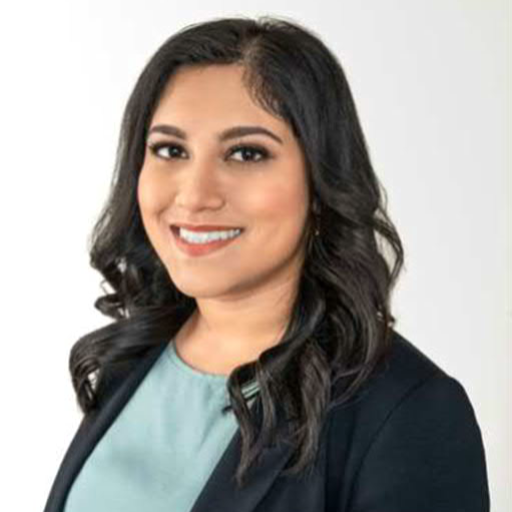
Nausheen Wakhlu, M.D.
Undergraduate: University of Southern California
Medical School: Keck School of Medicine, University of Southern California - PGY 3
Tamanna Basri, M.D., M.M.S.
Undergraduate: University of Texas at Austin
Graduate: University of North Texas Health Sciences Center
Medical School: University of Arkansas for Medical Sciences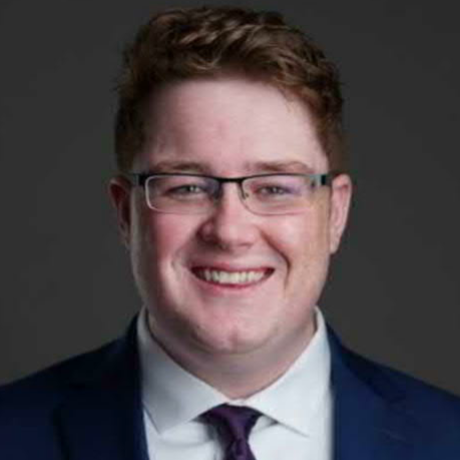
Adam Brantley, M.D.
Undergraduate: Brigham Young University
Medical School: University of Texas Health Science Center at San Antonio Joe R. and Teresa Lozano Long School of Medicine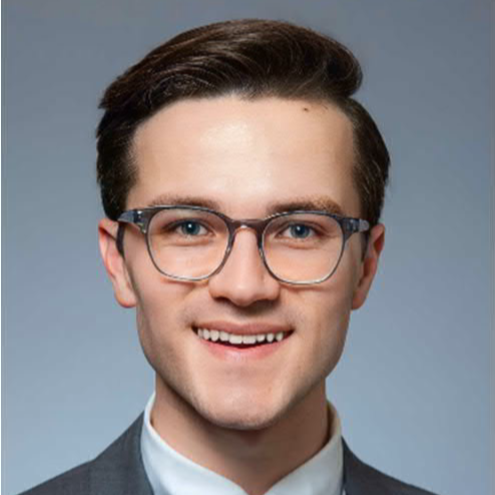
William Burton, M.D.
Undergraduate: Baylor University
Medical School: UT Southwestern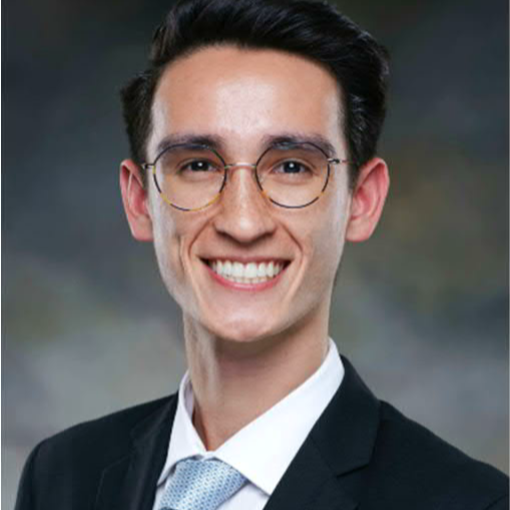
Nicholas Champagne-Aves, M.D.
Undergraduate: Texas A&M University
Medical School: University of Texas Health Science Center at San Antonio Joe R. and Teresa Lozano Long School of MedicineJulia Chavez, M.D.
Undergraduate: Rice University
Medical School: University of Chicago Pritzker School of Medicine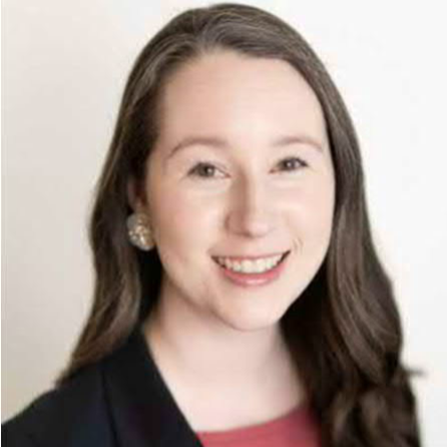
Cara Jacobson, M.D.
Undergraduate: Rice University
Undergraduate-Nursing: Medical University of South Carolina
Medical School: UT Southwestern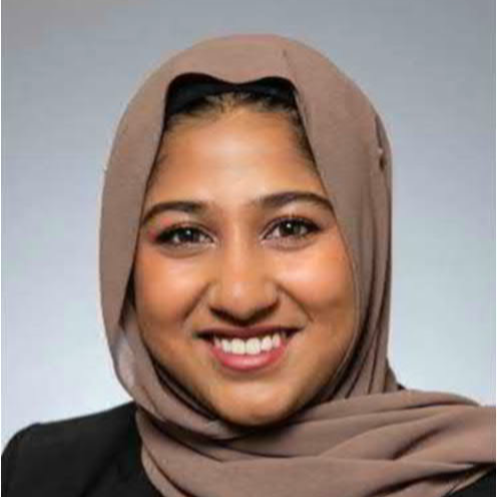
Mehvish Khan, M.D., M.P.H.
Undergraduate: Texas A&M
Graduate: UT Health
Medical School: UT Southwestern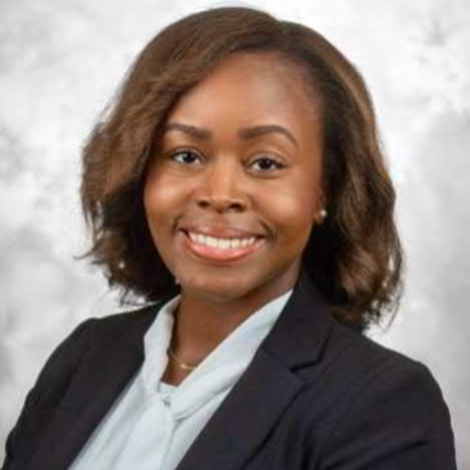
Jennifer Oruebor, M.D., M.M.S.
Undergraduate: University of Texas at Austin
Graduate: Boston University School of Medicine
Medical School: Texas A&M Health Science Center College of Medicine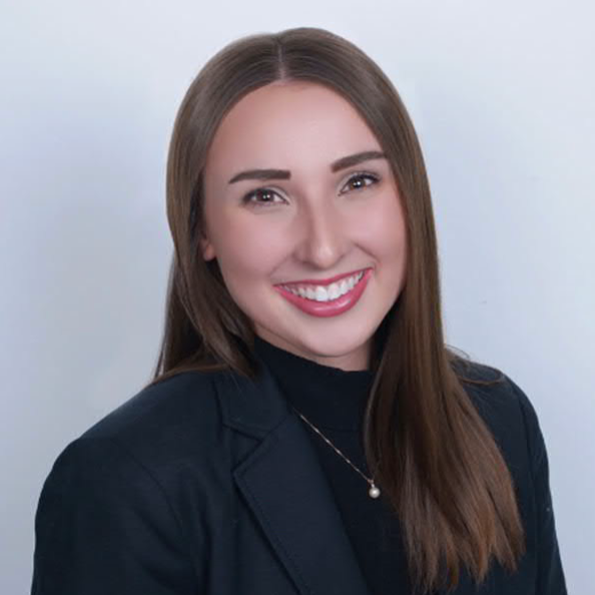
Avery Rogers, M.D.
Undergraduate: University of Oklahoma
Medical School: University of Texas Health Science Center at San Antonio Joe R. and Teresa Lozano Long School of Medicine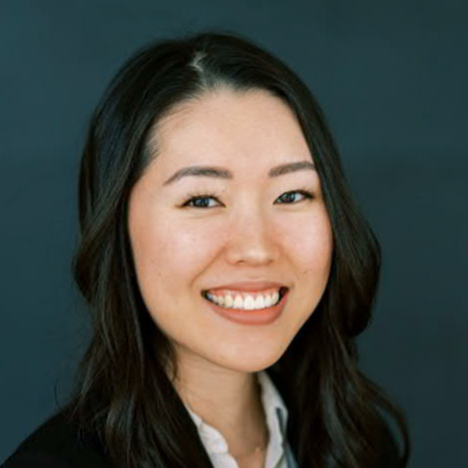
Stephanie Shea, M.D., M.B.A.
Undergraduate: University of Texas at Austin
Graduate: University of Texas at Dallas
Medical School: UT Southwestern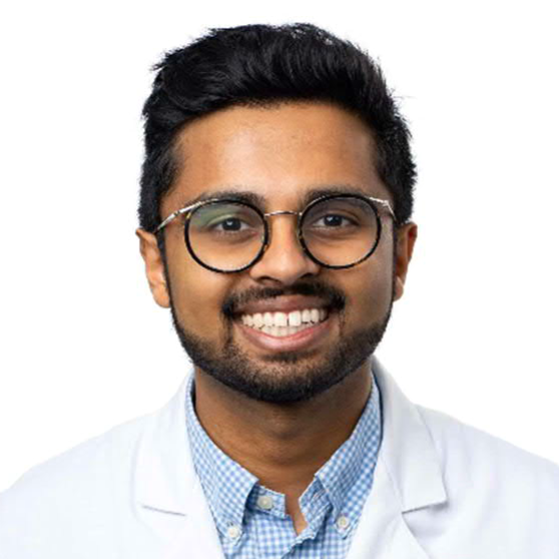
Rahul Tharoor, M.D.
Undergraduate: University of Texas at Austin
Medical School: Texas A&M Health Science Center College of Medicine - PGY 4
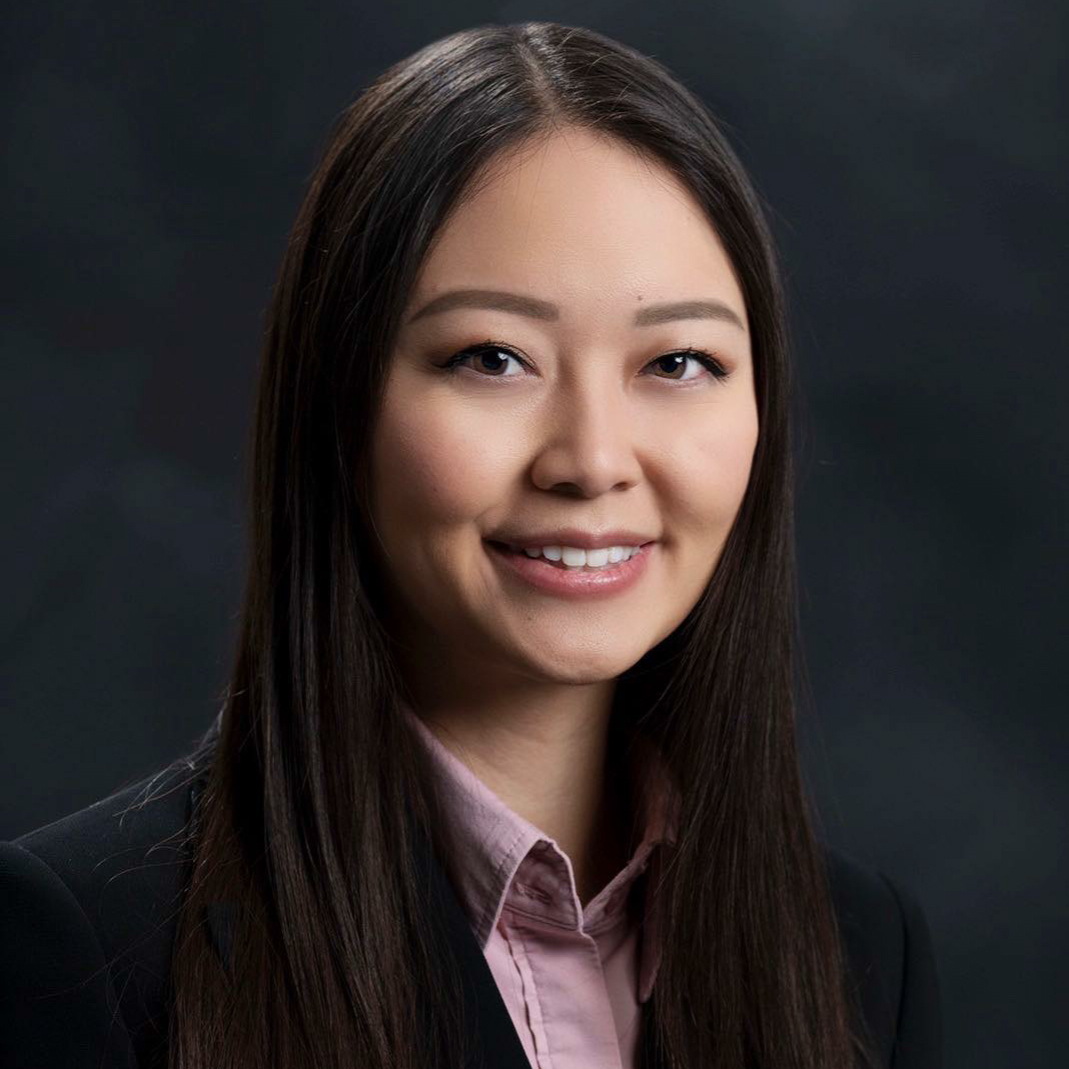
Stephanie Bui, M.D., M.B.A.
Undergraduate: University of Southern California
Medical School: Texas Tech University Health Sciences Center School of Medicine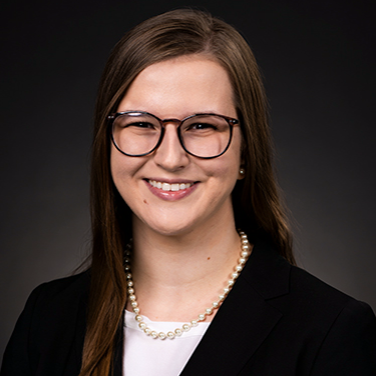
Sarah Elmer, M.D.
Undergraduate: Texas A&M University
Medical School: Texas A&M Health Science Center College of Medicine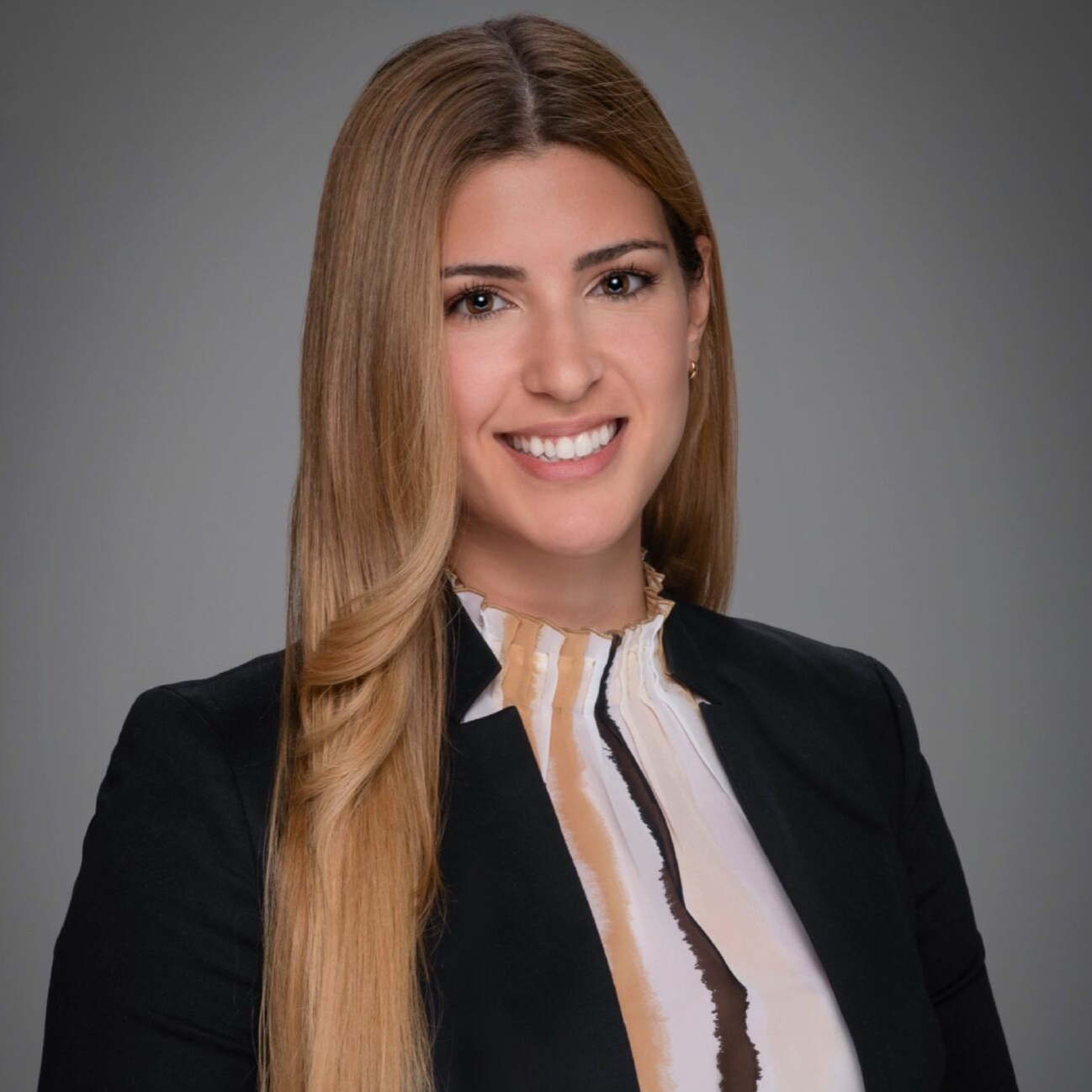
Marlene Giron Bravo, M.D.
Undergraduate: The Catholic University of America
Medical School: University of Puerto Rico School of Medicine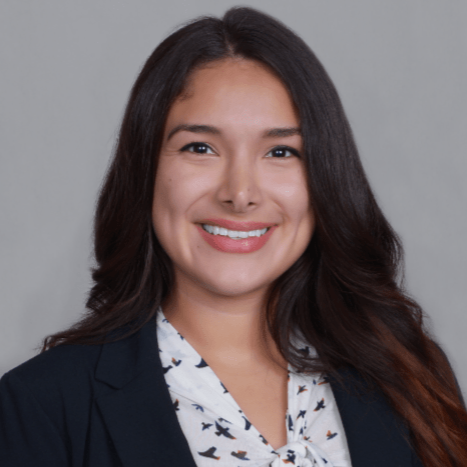
Gisela Gonzalez, M.D.
Undergraduate: Southwestern University
Medical School: University of Texas Medical Branch John Sealy School of Medicine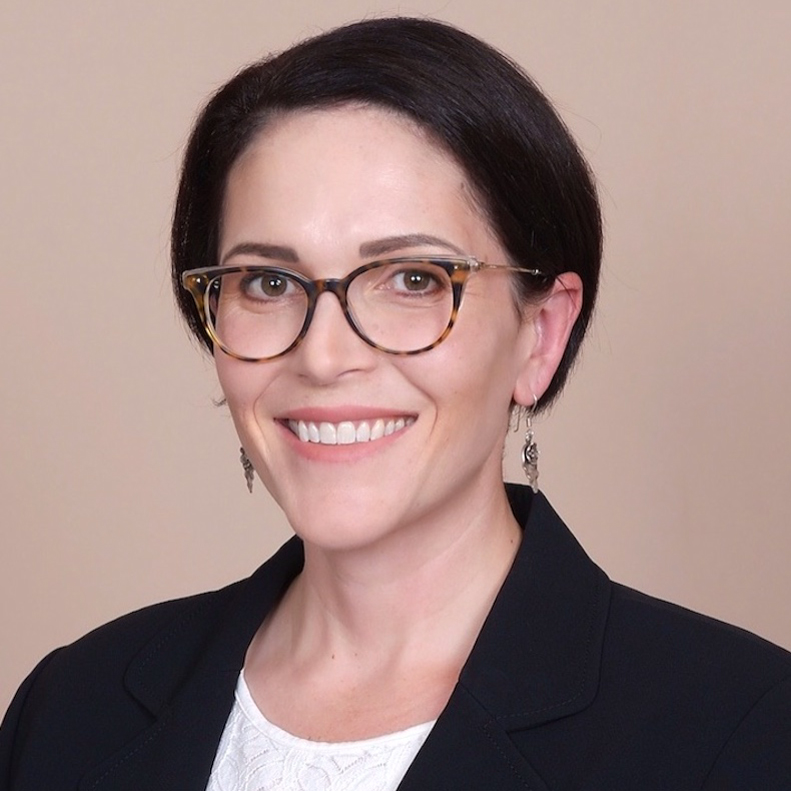
Emily Heydemann, M.D., M.S.W.
Undergraduate: Pomona College
Medical School: UTHealth San Antonio Joe R. & Teresa Lozano Long School of Medicine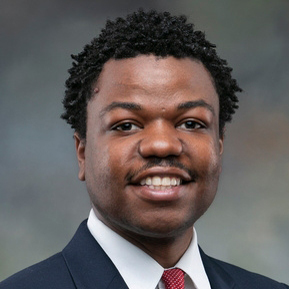
John-Stephane Kouam, M.D.
Undergraduate: Texas A&M University
Medical School: UTHealth San Antonio Joe R. & Teresa Lozano Long School of Medicine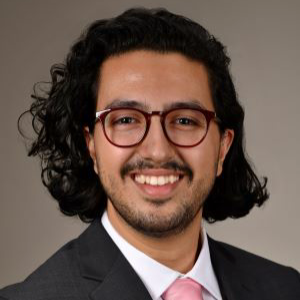
Seena Ounsinegad, M.D.
Undergraduate: University of Texas at Austin
Medical School: UTHealth Houston McGovern Medical School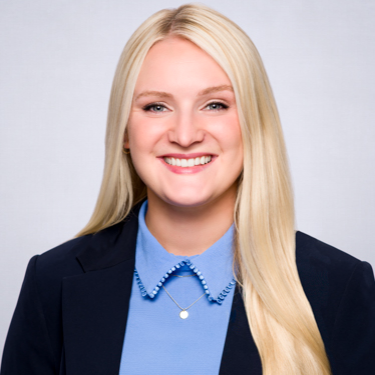
Kaylee Schrader, M.D., M.P.H.
Undergraduate: University of Oklahoma
Medical School: Texas Tech University Health Sciences Center School of Medicine
“I started medical school knowing I wanted to pursue psychiatry, and UTSW's program was on my radar from the very first day. Despite being one of the largest programs in the country, UTSW fosters a tight-knit community where every resident feels like they belong. On interview day, I discovered that everything I had heard was true. I immediately felt welcomed. With the support and guidance of our wonderful faculty, each of us here has a tremendous variety of opportunities to forge our own unique paths to becoming the best mental health providers we can be.”
Resident Life
- Committees and Task Forces
Resident Initiative for Solidarity and Engagement (RISE) Together Committee
The RISE Together Committee is a resident-developed and resident-led group that was created to address issues of diversity and inclusion in our residency program with the goal of moving from a mindset of diversity as an independent goal to a mindset of diversity as a path to excellence in our program through the implementation of four initiatives: recruitment, creating a safe place to train, patient care, and resident education. Our goals are to raise awareness in faculty, staff, and residents about issues pertaining to racism, create a safe place to train, increase recruitment efforts of underrepresented minority residents, and teach faculty, residents, and staff about issues pertaining to race in patient care settings. We work to assess all aspects of residency training with subcommittees that focus on these topics: residency education/curriculum development, advocacy/community outreach, resident experience, patient experience, and resident recruitment. The RISE Together Committee operates under the residency education committee and receives substantial support from program leadership. Through the committee, initiatives have been developed such as the following:
- "Celebrate Diversity Day" dedicated to showcasing our residency program diversity
- Special education seminars at the African American Museum and Latino Cultural Center
- Lectures on microaggressions and discrimination as a social determinant of mental health
We have expanded already existing lectures on how to incorporate topics of race and culture when providing care to our diverse patient population and invited several Grand Rounds speakers to deliver lectures pertaining to race and diversity. The task force has also created new seminar content, including two special seminar days focused on African American and Latino mental health, held at the Dallas African American Museum and the Dallas Latino Cultural Center. The residency program has restructured didactics to include a full Cultural Psychiatry & Antiracism Curriculum and has developed and implemented an antiracism workshop, "Racism: A Black Mental Health Crisis," which is embedded within the Psychiatry Clerkship that includes participation from trainees, faculty, and staff.
We recently obtained a book fund to create a cultural library for our residents and to provide each resident with a copy of the Clinical Manual of Cultural Psychiatry.
LGBTQI+ Inclusion Committee
The LGBTQI+ Inclusion Committee was created by residents to enhance awareness of the unique mental health risks and psychiatric needs of LGBTQI+ individuals via four realms: didactics, patient care, mentorship, and resident recruitment. Sample activities:
- LGBTQI+ mental health seminar
- Therapy group for LGBTQI+ individuals in the Parkland outpatient psychiatry clinic
- Advocated for patient registration template changes in the electronic medical record
- Campus-wide mentoring group for residents and fellows
- Resident and medical student educational activities for improving LGBTQI+ health knowledge
Wellness Committee
The Wellness Committee aims to create a structure of support and interconnectedness between residents in the psychiatry program. We strive to promote wellness by planning and coordinating a variety of resident events, creating an avenue for advocacy with program leadership, and assisting residents with low-cost psychotherapy options. Many of the committee’s previous events and projects have fallen under the following categories: general socializing, mindfulness, fitness, nutrition, and parental support. To help achieve our goals, we work closely with the Resident Wellness Center, the Dallas Psychoanalytic Center, and our program leadership.
Mentorship Committee
The Mentorship Committee was created to assist each of our residents with identifying a mentor and engaging in a rewarding relationship that fosters career and personal development. We help with assigning mentors to interns and helping connect PGY 2-4 residents with mentors at UT Southwestern and in the community. We also host various events throughout the year (e.g., Speed Mentoring, Women in Psychiatry Social, Parents Support Groups) to help residents meet potential mentors.
See the Mentorship menu item for more details.
Bad Outcomes Committee
The Bad Outcomes Committee is a psychiatry faculty- and resident-run committee focusing on avenues by which we can discuss, process, and reflect on adverse outcomes in psychiatry. Our group defines a "bad outcome" as any patient care-related event that causes a resident significant distress. Examples include a patient suicide or attempted suicide, a patient’s adverse reaction to medication, or violence by a patient. A main goal of the committee is to ensure that residents are supported when they experience an adverse outcome. We developed the standard operating procedure after an adverse outcome, which is a formal procedure that provides concrete steps that will happen after a resident experiences an adverse event to ensure that the resident is supported.
We plan and implement bad outcomes conferences (also known as morbidity and mortality rounds) quarterly, during the weekly Grand Rounds time. These lectures consist of a faculty member presenting an anonymized case in which an adverse outcome has occurred. The goal is to learn and reflect on the case. We also plan a 4-hour special seminar during didactics in the spring, where we present various topics related to adverse outcomes in psychiatry.
Organized Psychiatry
The Organized Psychiatry Task Force seeks to serve the same purpose as organized psychiatry as a whole, to connect psychiatrists from various portions of the country, state, and local municipalities, in order to promote education, advocacy, and networking. The Task Force accomplishes this purpose by serving as a connection between the psychiatry residency and the Texas Society of Psychiatric Physicians (TSPP, a state-organized psychiatry organization) and the North Texas Society of Psychiatric Physicians (NTSPP, a county-organized psychiatry organization). Events throughout the academic year include, but are not limited to, TSPP conferences (Fall and Spring), with their associated Resident Fellow Member committee gatherings, and monthly NTSPP dinner meetings, which include didactics and networking opportunities.
- Psychiatry Residents Organization
PRO makes a house a home: The goal of PRO is to make the residency program feel like home by building community and camaraderie. PRO is made up of the PRO Council and several committees.
The PRO Council organizes events that bring residents (and sometimes fellows and faculty) together. We have several annual traditions, such as the Intern Welcome Celebration, a Holiday Party with white elephant gift exchanges, and an Oscar's Best Picture Watch Party. We organize new events throughout the year as well, including First Free Sunday at the DMA, and we ensure the workroom stays stocked with snacks.
We have a thriving interest group community. Currently our clubs include watch parties for The Pitt, video and board gaming, hiking, running, climbing, parenting, connecting with our pets, trivia gatherings, and book and movie clubs.
We also coordinate with the following PRO Committees:
- Alumni Committee: build professional connections between current residents and UTSW psychiatry alumni through outreach and programming
- Mentorship Committee: facilitate connections between residents and faculty to provide career guidance and support during residency and beyond
- Organized Psychiatry Committee: connect residents with local and state societies for psychiatrists to promote education, advocacy, and networking
- Pride Committee: enhance awareness of the unique psychiatric needs of LGBTQI+ individuals through didactics, patient care, mentorship, and recruitment
- Wellness Committee: promote physical and emotional wellness and advocate for work-life balance within the program
- Mentorship Program
Objectives
- Identify and obtain support and guidance on clinical, research, personal, and administrative thoughts and ideas for residents in each postgraduate year
- Ensure each resident has at least one mentor by the end of residency
Advisee Responsibilities (PGY1)
- Begin identifying career interests, personal strengths, and weaknesses
- Learn how to set personal goals during training
- Contact advisor to arrange meetings (minimum expectation is to meet quarterly)
Mentee Responsibilities (PGY 2-4)
- Participate in self-reflection of personal strengths and weaknesses
- Participate in developing personal goals during training
- Set clinical priorities and develop professional profile
- Contact mentor to arrange meetings (minimum expectation is to meet quarterly)
Role of the Mentorship Committee
- Increase resident satisfaction with support for clinical, research, and personal matters
- Help identify particular areas where residents feel they need more support
- Help residents find mentors or change advisors/mentors (e.g., by providing profile information for available mentors)
- Resident Achievements 2025-2026
American Psychiatry Association
- Child and Adolescent Fellowship: Jasmine Liu-Zarzuela, M.D., M.P.H.
- Diversity Leadership Fellowship: Ozlem Hokelekli, M.D., Ph.D.
- Leadership Fellowship: Kayla Murphy, M.D.
- Public Psychiatry Fellowship: Cesar Montelongo Hernandez, M.D., M.S., M.P.H., and Shivani Raman, M.D., who was also elected as Chair for 2026-2027.
- SAMHSA Minority Fellowship: Nabila Haque, M.D., Ph.D.
- Tope Adedolapo, M.D., M.B.A., was selected as Deputy Representative for Area 5 to the Assembly Committee of Resident-Fellow Members and elected Chair of the Assembly Committee of Residents and Fellows.
- Emily Heydemann, M.D., M.S.W., was selected to attend the Collaborative Care Model Residency Education Conference.
- Donald Egan, M.D., presented “Intentional Storytelling in your Medical School Application” to the Future Leaders in Psychiatry Program and updated the APA’s patient and family page on PTSD, “What Is Posttraumatic Stress Disorder?”
- A poster co-authored by Jasmine Liu-Zarzuela, M.D., M.P.H., reporting on research about music and mental health was selected by the APA New Research Press Briefing for presentation and a news release at the Annual Meeting.
- Christian S. Monsalve, M.D., chaired the APA’s General Session “Comparison of Clinical Guidelines for Pediatric Gender Dysphoria: What is the Role of Systematic Evidence Reviews?”
- Seena Ounsinegad, M.D., took part in the panel “Stronger Together: Building Mental Health Through Advocacy” at the 2025 American Psychiatric Association and American Psychiatric Association Foundation Learning Lab in Washington DC.
American Academy of Child and Adolescent Psychiatry
- Jasmine Liu-Zarzuela, M.D., MPH, was selected for an Educational Outreach Program grant for General Psychiatry Residents.
- Alaa Hajeissa, M.D., was selected to participate in the System of Care Special Program Clinical Poster Award and Fellowship.
American Association of Addiction Psychiatry
- Donald Egan, M.D., presented the poster “Inclusive Recovery: Barriers to Alcohol Use Disorder Treatment & Resources for People with Disabilities” at the 2025 Annual Meeting.
Academy of Consultation-Liaison Psychiatry
- Courtney Chineme, M.D., presented, “Push It to the Limit! Innovations in Counteracting Catatonia in Pediatric Populations” at the 2025 Annual Meeting.
- Seena Ounsinegad, M.D., gave two presentations at the meeting: “Be PrEP-ared: Implementing Smart HIV/AIDS Prevention Using AI and Time-Tested Strategies” and “It’s Probably Just Gas: The Role of CL Psychiatry in Care Coordination for Psychotic Pregnancy Denial.”
American Neuropsychiatric Association
- Moez Bashir, M.D., co-presented “A Feasibility Analysis of Using Quantitative Pupillometry in Evaluating Functional Neurological Disorder.”
- Jaclyn Hozumi, M.D., co-presented “Post Stroke Psychosis Following L ACA Medial Frontal Lobe and L MCA Cortical Infarcts.”
- Victor Liaw, M.D., presented “Cognitive Impairment in Postural Orthostatic Tachycardia Syndrome.”
- Victoria Ragland, M.D., presented “Role of Habenula-Striatum Circuit in Anticipatory versus Consummatory Anhedonia.”
Association of Medicine and Psychiatry
- Areej Ali, M.D., M.P.H., Layne Jordan, M.D., and Kayla Murphy, M.D., presented the poster “Mind Over Medicine: A Tailored Orientation to Prepare Psychiatry Interns for Internal Medicine Rotations.”
- Dr. Murphy served as a representative on the resident committee and led a meeting discussing committee updates for all AMP residents.
- Stephanie Byun, M.D., presented the poster “When estrogen goes awry: A case of perimenopausal psychosis,” created in cooperation with Nicholas Champagne-Aves, M.D., and a faculty member.
- Melissa Dong, M.D., and Juan Carlos Zarate Jarquin, M.D., presented the poster “Challenges to liver transplant in borderline personality disorder: A trauma response to a failed donor offer resulting in removal from the waitlist.”
- Dr. Dong served on a resident panel answering medical student questions about med/psych.
- Ashley Ernst, M.D., presented a med/psych case titled “An itch you can’t scratch,” which was a main conference session presented to all attendees.
Association for Academic Psychiatry
- Resident Psychiatric Educator Award: Kayla Murphy, M.D.
American Association of Directors of Psychiatric Residency Training
- Will Burton, M.D., presented “Introduction to Templates: The No-Stress Scheduling Success.”
- Rachel Beck, M.D., co-presented “Concentrating on Interventional Psychiatry.”
Elected to the UT Southwestern Chapter of the Alpha Omega Alpha Honor Society
- Temitope Adedolapo, M.D., M.S., M.B.A.
- Enrique Chiu Han, M.D.
- Nabila Haque, M.D.
- Renae White, M.D.
Other Achievements
- Temitope Adedolapo, M.D., M.S., M.B.A., presented on the department’s Strategic Planning Group for addressing trainee’s ACGME feedback at the 2025 Dewitt C. Alfred, MD Psychiatric Symposium at Morehouse School of Medicine. Dr. Adedolapo also gave a talk at the Metrocare ACER Spring Retreat titled “Beyond Passions – Why Desire Isn’t Enough – And What actually D.R.I.V.E.S. Success,” in which he described a model that helps achieve sustainable success while avoiding burnout.
- Dhruba Banerjee, M.D., was selected as an Associate Editor of The American Journal of Psychiatry Residents' Journal.
- William Burton, M.D., was inducted into the Gold Humanism Honor Society.
- Cesar Montelongo-Hernandez, M.D., M.S., Ph.D., was invited to present his research as an Honorable Mention Awardee in the Outstanding Resident Award Program at the National Institute of Mental Health.
- Ashley Tsang, M.D.’s research article, “Evaluating Psychiatry Journals’ Adherence to Informed Consent Guidelines for Case Reports,” was published in Research Integrity and Peer Review and featured as a “Worthwhile Read” on the Retraction Watch website.
Where Do Residents Go After Graduation?
- 2026
Name Career Path Tanisha Adams, M.D. Continuing training at UT Southwestern as a Child and Adolescent Psychiatry Fellow Temitope O. Adedolapo, M.D. M.S., M.B.A. Continuing training at UT Southwestern as a Child and Adolescent Psychiatry Fellow Lauren Ford, M.D. Continuing training at UT Southwestern as a Child and Adolescent Psychiatry Fellow Rachael Carstens, M.D. Continuing training at UT Southwestern as an Addiction Psychiatry Fellow Sun Jeong Choi, M.D. UT Southwestern Clinical Assistant Professor at Parkland Psychiatric Emergency Services Colin Goodman, M.D. Athra - Remote residential treatment center with some inpatient care Brendalyn Joy Chimdi Iweh, M.D. Telehealth with Talkiatry Ben Kannenberg, M.D. General Adult Outpatient Psychiatry - Prairie Ridge Health System, Columbus, WI Kireet Koganti, M.D. UT Southwestern Clinical Assistant Professor at Parkland Psychiatric Emergency Services Thomas Kun Pak, M.D., Ph.D. Child and Adolescent Psychiatry Fellowship at UCLA - 2025
Name Career Path Rachel Beck, M.D. Continuing training at UT Southwestern as a Geriatric Psychiatry Fellow Donald Egan II, M.D., M.P.H. Continuing training at UT Southwestern as an Addiction Psychiatry Fellow Allyson Folsom Davis, M.D. Geriatric Psychiatry Fellowship at the University of Washington Fatma Özlem Hökelekli M.D., Ph.D. Child and Adolescent Psychiatry Fellowship at Massachusetts General Hospital Caila Lavine, M.D. Continuing training at UT Southwestern as a Child and Adolescent Psychiatry Fellow Christian Monsalve, M.D. Founder & Medical Director of Verigrate Health Diona K. Symester, M.D., M.P.H. VA Outpatient Clinic Samir Abu-Hamad, M.D. Consultation-Liaison Fellowship at Stanford University Sudad Kazzaz, M.D. Combined position in Internal Medicine and Psychiatry Giovani Zelada, M.D. Starting General Psychiatry and Integrated Primary Care/Psychiatry Outpatient Clinics at Healing Hands Ministries Health in North Dallas - 2024
Name Career Path Baig-Ward, Kimberlyn Maravet UTSW Forensic Psychiatry Fellowship Banner, Barbara UTSW Addiction Psychiatry Fellowship Boswell, Nicholas UTSW Faculty, Parkland Psychiatric Emergency Department Clark, Isabel UTSW Faculty, General Psychiatry Diack, Khady Child and Adolescent Psychiatry Fellowship, Children's National, Washington DC Jack, Jasmine Child and Adolescent Psychiatry Fellowship, Massachusetts General, McLean Hospital Jones, Cassandra UTSW Geriatric Psychiatry Fellowship Karlay, Brittany (Katherine) UTSW Faculty, Medical Director of Parkland ECT Program, Parkland Psychiatric Emergency Department Kotamarti, Vinay Psych ED Physician, Tower Health, Reading, PA Li, Chengxi (Vincent) UTSW Addiction Psychiatry Fellowship McLean, Charlotte Hospitalist and Inpatient psychiatry, University of Washington Morelli, Danielle Gastroenterology & Hepatology Fellowship, New York Presbyterian-Weill Cornell Medical Center Nguyen, Emily UTSW Child and Adolescent Psychiatry Fellowship Narapureddy, Sravan Outpatient Group Private Practice, West Palm Beach, Florida Newton, Scott Salience Health Ramamurthy, Swetha UTSW Child and Adolescent Psychiatry Fellowship - 2023
Name Career Path Nora Abdullah, M.D. Child and Adolescent Psychiatry Fellowship, Yale Alexandra Antonioli, M.D., Ph.D. Adjunct Assistant Professor, UTSW Joyce Chen, M.D. Outpatient Psychiatrist/Neurologist, Spokane, WA Lillian Cole, M.D., M.S. Talkiatry Brayden Efseroff, M.D. Child and Adolescent Psychiatry Fellowship, UTSW Audrey Eichenberger, M.D. Geriatric Psychiatry Fellowship, University of Washington Sarah Hergert, M.D. Child and Adolescent Psychiatry Fellowship, UTSW Colette Kendrick, M.D. East Texas Behavioral Network Neema Khonsari, M.D. Lone Star Circle of Care (FQHC located in Round Rock, TX) Joshua Lampley, M.D. North Texas Veterans Affairs - Outpatient Trauma Clinic Marisela Muñoz Puga, M.D. Child and Adolescent Psychiatry Fellowship, UTSW Kwame Nuako, M.D. Forensic Psychiatry Fellowship, Stanford Eduardo Rivera Mirabal, M.D. Talkiatry Alex Rollo, M.D. VA Clinic - Monterey, CA Rija Siddiqui, M.D. Private Practice - Thorntree Psychiatric Associates in Dallas Natalie Spiller, M.D. Assistant Professor, UTSW Joshua Walther, M.D., M.P.H. Addiction Psychiatry Fellowship, UTSW Bernice Yau, M.D. Consultation-Liaison Psychiatry Fellowship, Columbia Laura Yuan, M.D., Ph.D. Assistant Professor, UTSW - 2022
Name Career Path Samia Arthur-Bentil, M.D. Private Practice Kaylee Davis, M.D. Child & Adolescent Psychiatry Fellowship, UTSW Anna Faubion, M.D. Child & Adolescent Psychiatry Fellowship, UTSW Michael Giles, M.D. Sonara Health CEO Charles Ho, M.D. Child & Adolescent Psychiatry Fellowship, UTSW Jay Italiya, M.D. Private Practice Darlene King, M.D. UTSW Alexis Kropf, M.D. Talkiatry/Moonlight in Parkland Psychiatry ER Megan Lowther, M.D. Private Practice Hunter Neely, M.D. Forensic Psychiatry Fellowship, University of California, Davis Marquis Peacock, M.D. ACT Team, Charlotte, NC Damilo Salako, M.D. Private Practice Jenny Tan, M.D. Private Practice Margaret Wang, M.D. Geriatric Psychiatry Fellowship, University of Washington, Seattle Ashlin Szalanski, M.D., M.P.H. Combined Position at Massachusetts General Hospital - 2021
Name Career Path Arqam Abdali, M.D. Addiction Psychiatry Fellowship, UT Southwestern Evelyn Ashiofu, M.D. Child & Adolescent Psychiatry Fellowship, New York Presbyterian Hospital Antara Banik, M.D. Child & Adolescent Psychiatry Fellowship, New York Presbyterian's Combined Columbia/Cornell Cecilia Fitz-Gerald, M.D. Consultation-Liaison Psychiatry Fellowship, Yale-New Haven Hospital Michael Jennings, M.D. Consultation-Liaison Psychiatry Fellowship, UT Southwestern Eleanore Knox, M.D. Eating Recovery Center, Plano, TX Dimitri Macris, M.D. Child & Adolescent Psychiatry Fellowship, University of California, San Francisco Maryann Muyco, M.D. Outpatient Psychiatry Practice, Houston, TX Amelia Rezai, M.D. Private Practice Arielle Rubin, M.D. Child & Adolescent Psychiatry Fellowship, Phoenix Children’s Hospital, Arizona Juan Sosa, M.D. Forensic Psychiatry Fellowship, University of Colorado Anschutz Medical Campus Christopher Sterwald, M.D. Forensic Psychiatry Fellowship, University of California, Davis Jarrod Tunnell, M.D. Child & Adolescent Fellowship, UT Southwestern Halide Turkozer, M.D. Child & Adolescent Fellowship, Mass General/McLean Hospital, Boston Megan Verlage, M.D. Faculty, UT Southwestern (Inpatient Psychiatry Service) Robert Weir, M.D. Combined Position at Blue Sky Neurology at St. Marks Hospital, Salt Lake City - 2020
Name
Career Path
Saira Bhatti, M.D. Forensic Psychiatry Fellowship, Columbia University
Theresa De Freitas Nicholson, M.D.
Forensic Psychiatry Fellowship, New York University
Karen Duong, D.O.
Geriatric Psychiatry Fellowship, UT Southwestern
John Dykema, III, M.D.
Faculty at UT Southwestern, Ambulatory Clinic
Andrew Fritz, M.D.
Faculty at UT Southwestern, Veterans Administration Hospital Trauma Clinic
Rogelio Garcia, M.D., M.D.
Outpatient Psychiatrist, County Hospital affiliated with University of Texas Health Science Center, San Antonio
Joseph Guillory, M.D.
Child and Adolescent Psychiatry Fellowship, UT Southwestern
Susana Lampley, M.D.
Forensic Psychiatry Fellowship, UT Southwestern
Carlisdania Mendoza, M.D.
Faculty, Outpatient Psychiatrist at Maimonides Medical Center, New York City
Patrick O'Malley, M.D., M.P.H.
Child and Adolescent Psychiatry Fellowship, Baylor College of Medicine
Lindsay Page, M.D.
Geriatric Psychiatry Fellowship, Baylor College of Medicine
Tulsie Patel, M.D.
Outpatient Psychiatry Practice, Los Angeles
Mohona Sadhu, M.D.
Faculty at UT Southwestern, Inpatient Psychiatry Service
Meagan Whitney, M.D.
Faculty at UT Southwestern, Emergency Psychiatry Department
Rachel Zettl, M.D., M.Ed.
Child and Adolescent Psychiatry Fellowship, UT Southwestern