Cell and Molecular Biology Ph.D. Program
About the Cell and Molecular Biology Program

The Graduate Program in Cell and Molecular Biology provides training opportunities for students interested in studying cellular functions ranging from molecular mechanisms to functional behavior. The Program emphasizes an interdisciplinary approach to research, which covers a variety of areas, including but not limited to:
- Cell biology
- Molecular biology
- Pharmacology
- Physiology
- Systems biology
- Bioinformatics and biomathematics




Going Beyond Lab Research
Advanced courses, journal clubs, symposia, works-in-progress seminars, and intensive training in the development of independent research projects prepare Cell and Molecular Biology students for completion of the Ph.D. degree and future success in their career of choice. This is facilitated by diverse, active, and collaborative faculty committed to mentoring the next generation of top-notch scientists.

- Advanced Coursework
Our faculty are committed to providing high-quality coursework to help students reach their professional goals.
- Grant Writing
Our program offers a grant-writing course in which students work with experienced faculty to develop skills for identifying innovative research questions and building research plans for their effective resolution.
- Journal Clubs
Journal clubs are an educational addition to formal coursework that explore cutting-edge scientific questions and provide opportunities for valuable discussion.
- Works-in-Progress Seminars
Faculty actively participate in weekly works-in-progress seminars and provide students with the opportunity for individual mentoring on presentation skills.
How to Apply and Qualify
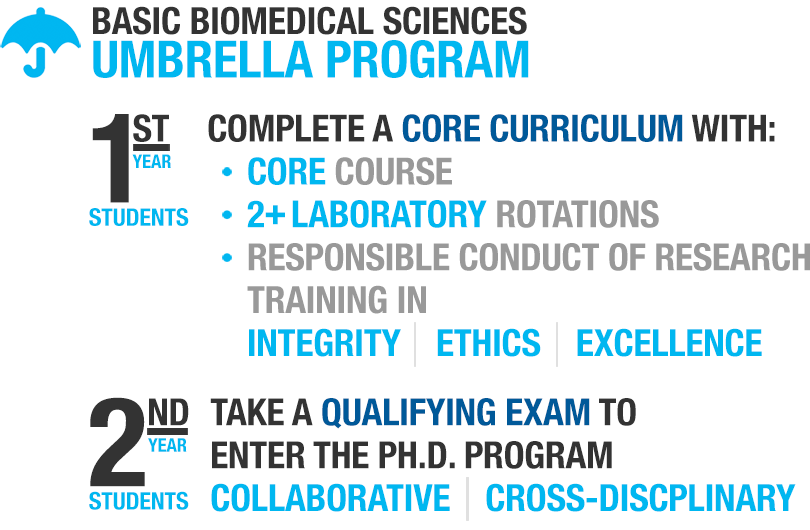
Potential students should apply to the Basic Biomedical Sciences umbrella program. First-year students complete a core curriculum that includes a core course, two or three laboratory rotations, and training in grantsmanship and the responsible conduct of research.
Students interested in joining the program are required to take the Cells thread of the core course during their first semester. Students who perform satisfactorily in the core course are qualified to enter the Cell and Molecular Biology Graduate Program.
The Program also administers a specialty curriculum in pharmacological sciences that is open to students from all of the basic science graduate programs.
Meet the Program Director
“My mission is to provide the most up-to-date curriculum, opportunities to build relationships with program students and faculty, guidance for the timely completion of thesis work, and career advice during graduate school and beyond.”
Angelique Whitehurst, Ph.D.
Associate Professor
See Dr. Whitehurst's Full Message
Contact the Graduate School
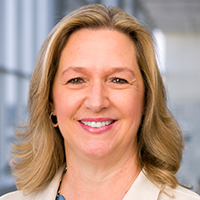

Arnaldo Diaz Vazquez, Ph.D.
Associate Dean
arnaldo.diazvazquez@utsouthwestern.edu
Phone: 214-648-2527