
Cancer Biology Ph.D. Program
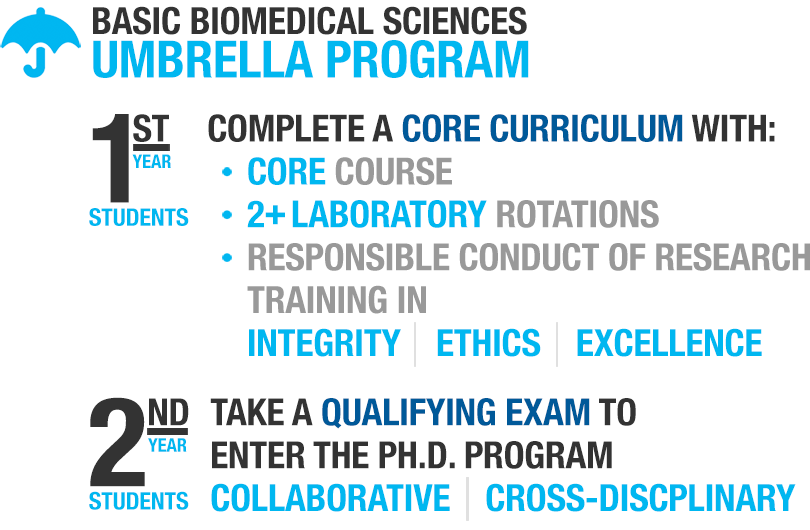
Students interested in joining the Cancer Biology Ph.D. Program may apply to the Basic Biomedical Sciences umbrella program.
About the Cancer Biology Program

The Cancer Biology Graduate Program provides training for students interested in pursuing a research career in investigating the molecules, mechanisms, and pathways involved in the development of cancer. Research by faculty members and students is laying the foundation for tomorrow’s clinical advances.
Cross-disciplinary collaboration, a hallmark of UT Southwestern Medical Center’s approach to research, is essential in cancer biology research, as cancer involves many different biological systems.
The themes of our Cancer Biology faculty are related to four scientific programs in the Harold C. Simmons Comprehensive Cancer Center:
- Development and Cancer
- Cancer Cell Networks
- Chemistry and Cancer
- Experimental Therapeutics of Cancer
In addition, the center has emerging programs in DNA Repair and Radiation Oncology and Cancer Prevention and Control.
Curriculum Overview
The formal coursework for Ph.D. students is flexible, with a wide range of choices depending on your interests. In general, courses are taken as necessary to provide sufficient background in the biological sciences so students develop breadth before specializing in a particular area of cancer research.
Because cancer research encompasses a wide variety of approaches to the biology, biochemistry, and genetics of various diseases that make up cancer, the curriculum requirements are designed to provide students with the best opportunity for specialization within this multidisciplinary field.
Meet the Program Director
“Cancer Biology graduate students work in an array of different disciplines and have the opportunity to interact with world class faculty and utilize outstanding resources to drive impactful projects focused on the development, treatment, or detection of cancer.”
Rolf A. Brekken, Ph.D.
Professor
See Dr. Brekken's Full Message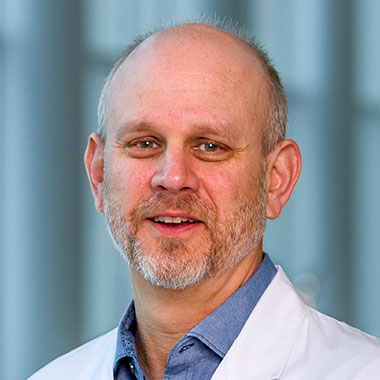
Contact the Graduate School

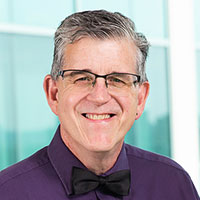
Arnaldo Diaz Vazquez, Ph.D.
Associate Dean
arnaldo.diazvazquez@utsouthwestern.edu
Phone: 214-648-2527