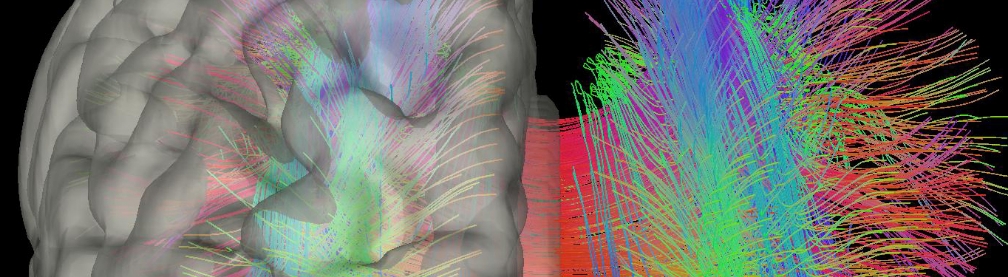
Biomedical Engineering Ph.D. Program

We develop and apply innovative engineering tools to advance science and medicine
Overview
As one of the nation’s top academic medical centers, UT Southwestern provides a unique translational education experience. The BME Graduate Program has a diverse pool of over 100 clinical and basic science faculty members, who contribute to interdisciplinary research training for our students. We emphasize the development of innovative procedures and technologies to facilitate both basic biomedical research and the detection, diagnosis, and treatment of disease and disability.
The BME graduate program offers education and training in three Core Research Areas as well as specialized curricula in Computational Biology and Medical Physics.
Explore the Department of Biomedical Engineering
Core Research Areas
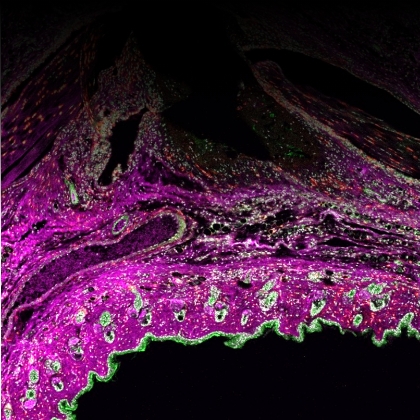
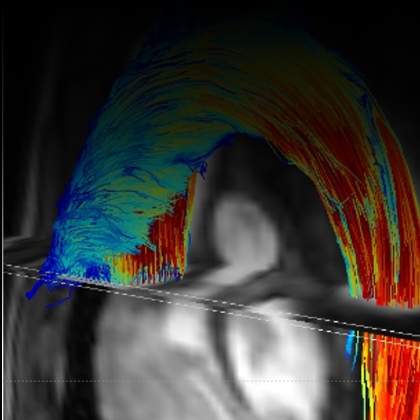
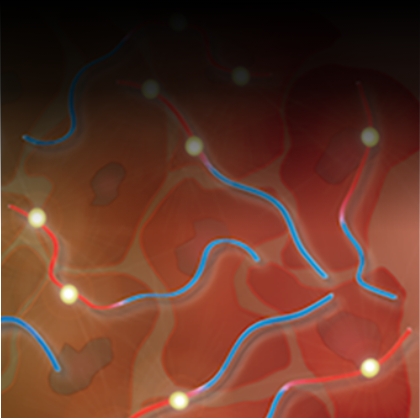
Specialized Curricula
Why UT Southwestern?
- UT Southwestern is a premier biomedical research institution in the southwest.
- We offer more than 1 million square feet of state-of-the-art research space.
- More than 40 core lab facilities to support a rich, scholarly environment for graduate study.
- UT Southwestern faculty have received six Nobel Prizes.
- Faculty includes 26 members of the NAS, 21 members of the NAM, and 13 HHMII.
- Tuition and fees are fully covered. Additionally, all students receive a nationally competitive stipend.
Meet Some of Our Students


Meet the Program Director
“We aim to foster learning environments where engineering principles and techniques guide our scientific investigations to advance the detection, diagnosis and treatment of disease.”
Ian Corbin, Ph.D.
Program Director & Associate Professor
See Dr. Corbin’s Full Message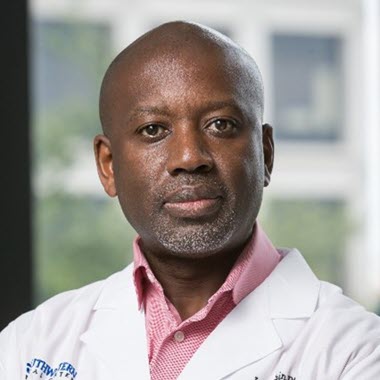
Contact the Graduate School


Arnaldo Diaz Vazquez, Ph.D.
Associate Dean
arnaldo.diazvazquez@utsouthwestern.edu
Phone: 214-648-2527