


Simulation training improves interventional time, teamwork in trauma treatments

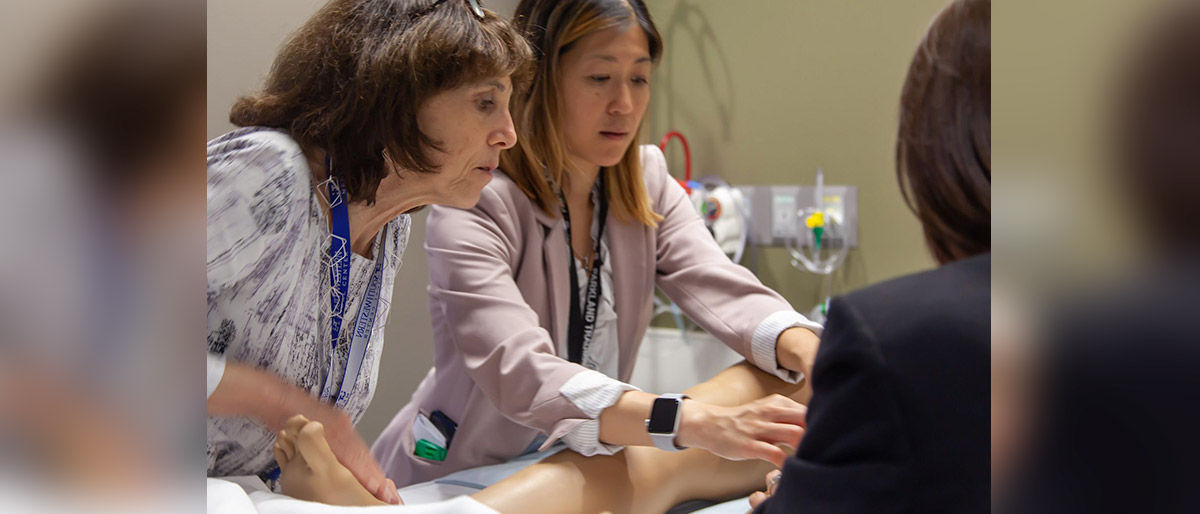
Complex simulated surgery training can help trainees and their care teams shave critical minutes off lifesaving trauma interventions in real care settings, findings of a UT Southwestern study show.
UTSW is home to one of the nation’s largest medical simulation training centers. As instructors ramped up the complexity of the training at UT Southwestern’s Simulation Center and Parkland Memorial Hospital to challenge time-sensitive decision-making and performance under pressure, these physicians significantly reduced response times during trauma bedside procedures, the study found.
For example, median response times for resuscitative thoracotomies, which call for “opening the chests” of pulseless patients, dropped from 14 to 3 minutes – a 467 percent improvement. Median response times for recognizing and performing tube thoracostomies, needed to immediately relieve pressure to patients whose chest cavities are filling with blood, dropped from 13 to 6 minutes, a 217 percent improvement.
Visit the UT Southwestern Newsroom to read the full story.