
General Program Structure
Our didactic curriculum reflects our eclectic model of understanding and treating mental disorders. Learning experiences are diverse and incorporate theoretical and scientific aspects of the psychiatric knowledge base, while accomplished faculty members provide ideal opportunities for learning from experts on a wide variety of topics. These experiences and resources prepare residents to be leaders in the psychiatric field and provide the skills to deliver the best available care over the course of their careers.
- Educational Formats
We integrate active educational formats to optimize application and synthesis of knowledge and promote long-term learning. Residents participate in small-group learning in PGY 1-3, led by a designated faculty member, labeled as a “tutor.” The small-group tutor curriculum is integrative and designed for the scaffolding of knowledge coordinated with clinical experiences during these 3 years. In PGY4, we provide a comprehensive board-review course for the ABPN certification exam.
- Core Seminar Series
In addition to the weekly, tutor-led small group sessions, residents participate in 1-2 seminars each week on various topics, many organized into longitudinal series across residency years. Core seminar series topics include:
- Culturally-informed care, including LGBTQIA+ mental health, social determinants of health, marginalization
- Ethics
- Global and refugee mental health
- Mental health advocacy, stigma, and health policy
- Neuroscience
- Quality improvement, patient safety, and bad outcomes
- Skills-based sessions: interviewing skills, risk assessments, capacity assessments
- Subspecialty psychiatry: addiction, child and adolescent, consultation-liaison, forensic, geriatric, sleep
- Systems-based practice
- Journal Club
All residents participate in our structured journal club curriculum, which has been peer reviewed and accepted as a model curriculum by the American Association of Directors of Psychiatric Residency Training. Goals include improving resident knowledge of evidence-based psychiatric practice while enhancing resident skills in critical evaluation of the literature. Residents prepare for this activity with well-designed study guides that highlight important learning points related to study design and statistics and application to clinical practice.
- Psychotherapy Training
A rich experience in psychotherapy training has always been a priority of our program. Didactic components taught by departmental faculty of the Dallas Psychoanalytic Center and an internationally recognized program in CBT offer intensive and state-of-the-art training. Topics in the psychotherapy didactic curriculum include supportive psychotherapy, psychoanalytic and object relations theory, couples and family therapy, group therapy, CBT, interpersonal therapy, acceptance and commitment therapy, and psychodynamic therapy. The seminar and case-conference series are supplemented by individual and group supervision.
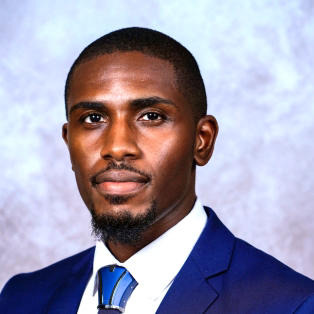
“UTSW’s psychiatry residency program had a magnetic allure due to its alignment with my core values and career goals. I was impressed by the program's commitment to excellence and its dedication to innovative approaches to mental health care. I wanted to be in a residency program that encouraged critical thinking and the exploration of new ideas to tackle the mental health crisis. UTSW Psychiatry's ethos of continuous improvement and challenging norms mirrored my values of exploring what is possible in mental health care.”
PGY1
- Clinical Components
- Primary Care (adult and/or child)
- General Neurology
- Inpatient Psychiatry
- Community Psychiatry at Homeless Services
- Psychiatric Emergency
- Addiction Psychiatry
- Schedule and Locations
Primary Care
Duration: 4 months
Locations: Internal Medicine wards and Hospitalist Med-Secure unit at Parkland Hospital; Pediatrics wards at Children’s Medical Center Dallas.
Call expectations: Call schedule varies on the inpatient wards months. No weekend duties for the Med-Secure unit. No call or weekend duties for geriatrics.- 2 Inpatient Ward months in Internal Medicine. 1 month may be replaced with Inpatient Pediatrics Wards.
- 1 month of Hospitalist Medicine on the Med-Secure unit, which is very well liked by residents because it combines management of medical and psychiatric illnesses.
- 1 month of Geriatric Medicine: Residents will have the opportunity to work in ambulatory, home health, and nursing home settings. This rotation has a unique didactic component that is highly valued by current residents.
Neurology (Parkland or UTSW)
Duration: 2 months
Locations: Parkland Hospital and William P. Clements Jr. University Hospital
Call expectations: Call schedule varies on the inpatient wards months. Rotating weekend rounding is expected.- General Neurology Wards: Residents will become familiar with the neurologic exam, neuro-diagnostics, and a wide variety of neurologic diseases.
- Epilepsy Monitoring Unit: Residents will round on the inpatient epilepsy monitoring unit under the supervision of seasoned epileptologists. Residents will become familiar with EEG architecture, seizure characterization, nonepileptic events, and comorbid psychiatric illness in patients with seizures.
- Child Neurology consultation: Residents will provide consultation for patients at Children’s Medical Center for a variety of neurologic conditions, including rare metabolic and congenital disorders.
Community Psychiatry/Homeless Services Team
Duration: 1 month
Location: Metrocare Services
Call expectations: No call or weekend responsibilities.Residents see patients experiencing homelessness in clinics, at shelters, and in street outreach. Residents learn about the acute psychiatric management of major mental illnesses and addiction, as well as recovery approaches that engage patients in their long-term healing.
Psychiatric Emergency Services
Duration: 1 month
Location: Parkland Hospital
Call expectations: Four 12-hour weekday shifts/week expected. No call duties.Residents will gain exposure in emergency psychiatry by working in dedicated psychiatric emergency rooms and as members of triage teams that evaluate patients with psychiatric concerns throughout the Parkland emergency department. Residents will learn about acute presentations of psychiatric illness and treatment, intoxication and withdrawal states, as well as working in an interdisciplinary team. Our Psychiatric Emergency Services are staffed continuously by attending psychiatrists on-site, providing especially thorough supervision and guidance.
Addiction Psychiatry
Duration: 1 month
Location: Dallas Veterans Affairs Medical Center
Call expectations: Assist with call coverage during short call, 1 week of night float, and on weekends. These duties are split with other psychiatry residents who are also at the VA.During this rotation, residents will provide medical and psychiatric care to residential inpatients on the VA Gold team under the supervision of an attending. The educational component of this rotation includes selected readings and lectures that are generally highly praised by past residents. In addition, residents receive tutorials in Motivational Interviewing, an evidence-based psychotherapy for addictions.
Inpatient Psychiatry
Duration: 4 months
Locations: Parkland Hospital (1 month), William P. Clements Jr. University Hospital (1 month), and Dallas Veteran Affairs Medical Center (2 months)
Call expectations: Weekend, night float, overnight, and evening shifts are expected. Short call duties.Experience on this rotation includes learning inpatient management of acute and chronic psychiatric illnesses, introduction to ECT, and psychotherapy lectures.
- What You Will Learn
Didactics
Core didactics occur on Tuesdays and survey all aspects of psychiatry. Didactics also include a series on medical management of patients and participation in journal clubs and special seminars (e.g., art and psychiatry, mental health care in minority groups).
Balance and Diversity
PGY1 exposes residents to the most common populations, disorders, and therapies. You will have the opportunity to observe diagnostic methods in action and the results of a variety of therapeutic modalities.
- What Makes Our Program Special
Flexibility
We provide flexibility to develop the training program that best fits your career plans. We offer elective clinical rotations in a variety of subspecialties, additional clinical training opportunities in psychoanalysis and primary care, and opportunities to participate in research studies.
You can do all your primary care experience in medicine, pediatrics, or any combination of months that make sense for you individually.
T-Group
You will devote an hour every other week to the unstructured training group (or “T-Group”) that emphasizes mutual support, problem solving, and experiential learning about small group processes. A few times each year you will also participate in a large T-group of all residents.
Mentoring
The Program Director meets with the intern class exclusively on a quarterly basis, and you will be assigned to a residency “family,” which consists of residents from all years of training and faculty supervisors. Your “family” meets quarterly and is available to answer questions and provide additional guidance as you continue through residency.
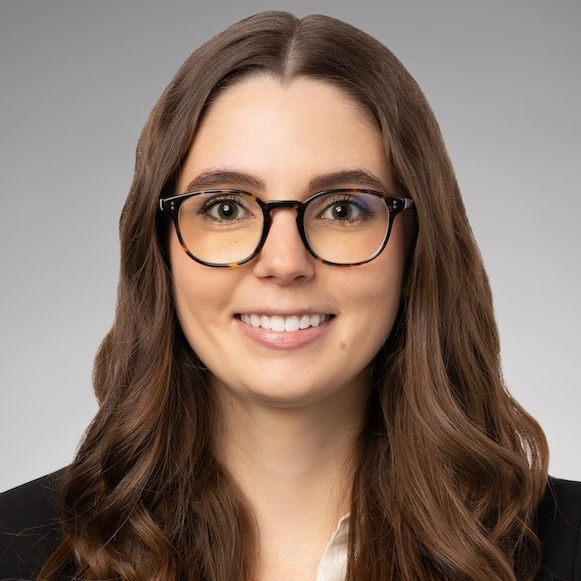
“I chose UT Southwestern because of the endless opportunities it has to offer—whether through its variety of training sites, unique electives, diverse patient populations, or numerous tracks and concentrations. The breadth of possibilities is truly unmatched. However, UTSW really stood out to me for the strong sense of community it fosters. From co-residents to faculty, everyone is approachable, collaborative, and genuinely committed to supporting one another. As a PGY1, I immediately felt welcomed and have already experienced genuine support from both faculty and senior residents.”
PGY2
- Clinical Components
- General Inpatient Care
- Psychiatric Emergency
- Psychotherapy
- Geriatric Psychiatry
- Community Psychiatry at the County Jail
- Community Psychiatry at Metrocare
- Consultation-Liaison Psychiatry
- Selective
- Schedule and Locations
General Inpatient
Duration: 4 months
Locations: Parkland Hospital, William P. Clements Jr. University Hospital, Dallas Veterans Affairs Medical CenterCall expectations: Weekend, overnight, night-float, and home call depending on site.
Experiences include continued development of skills in inpatient management of acute and chronic psychiatric illnesses, inpatient and outpatient ECT, and psychotherapy.
Psychiatric Emergency Services
Duration: 2 months
Location: Parkland Psychiatric Emergency RoomCall expectations: 14 overnight shifts/month.
During shifts, residents will also be working as on-call cross-cover for the Parkland and UTSW inpatient units. The resident’s priority is to manage the needs of the inpatient units.
When free from inpatient duties, residents will gain additional exposure in emergency psychiatry by working on a psychiatry team in the Parkland emergency department. Our Psychiatric Emergency Services are staffed continuously by attending psychiatrists on-site, providing especially thorough supervision and guidance.
Elective
Duration: 1 month
Location: Varies, depending on chosen elective. We have extensive options and encourage residents to create their own electives under mentorship of attending faculty.Geriatric Psychiatry
Duration: 1 month
Location: Dallas Veterans Affairs Medical CenterCall expectations: Weekend, night float, overnight, and evening shifts are expected. Short call duties.
During this month, residents will work under the direction of faculty geriatric psychiatrists on the Silver team at the VA Medical Center. Educational experiences include, but are not limited to, management of psychiatric illness in the elderly population, understanding the effect of comorbid medical and neurologic issues in geriatric patients, and evaluation and treatment of dementia.
Community Psychiatry
Duration: 2 months
Location: Dallas County Jail; Metrocare Services- Dallas County Jail, Lew Sterrett Facility: Residents have the unique experience of being trained in community psychiatry and exposed to forensic psychiatry in one of the country’s largest county jails. Duties include psychiatric evaluation and treatment of defendants (under direct supervision of an attending psychiatrist) and attendance at psychopharmacology, forensic psychiatry, and general psychiatry lectures.
- Metrocare Services: Residents spend a month on an Assertive Community Treatment (ACT) team, learning how psychiatrists work in multidisciplinary teams to help patients find long-term recovery through intensive outpatient services.
Consultant-Liaison Psychiatry
Duration: 3 months
Locations: Parkland Hospital, William P. Clements Jr. University Hospital, and Children’s Health℠ Children’s Medical CenterCall expectations: Weekend and home call.
The Consult-Liaison Psychiatry Service is a collaborative and multidisciplinary team that includes attending psychiatrists, attending psychologists, residents, social workers, and medical students. Residents will provide evaluations, medication recommendations, psycho-education, and psychotherapy under supervision of an attending psychiatrist. This rotation includes weekly conferences and daily interdisciplinary rounds.
- What You Will Learn
One day each week is set aside for didactics.
Psychosocial Foundations of Psychiatry: Begins with an Introduction to Psychotherapy and then covers the life cycle, basic psychoanalytic concepts, socio-cultural psychiatry, learning theory, cognitive theory, and family-systems theory.
Fundamentals of Neuroscience: Learn the neuroscientific underpinnings of modern diagnosis and treatment.
Psychotherapy Continuous Case Conference: Discuss your new psychotherapy cases with experienced and supportive faculty.
Balance and Diversity
PGY2s learn inpatient management skills for adult inpatient and consult services at Parkland, the Dallas Veterans Affairs Medical Center, and Zale Lipshy Pavilion. You will become intimately acquainted with the major psychiatric disorders and will learn pharmacologic, psychotherapeutic, electroconvulsive, and team management approaches to severe psychiatric illness.
Community Psychiatry is strongly emphasized in every rotation and especially during the month with Parkland's treatment team at the Dallas County Jail, an innovative program aimed at providing top-quality psychiatric treatment to inmates, a historically underserved group.
Another emphasis is on learning psychotherapy. You will begin your work in the Southwestern Psychotherapy Clinic, seeing outpatient psychotherapy patients weekly. We also strive to integrate psychotherapy into acute psychiatric settings. You will learn cognitive-behavior therapy on inpatient rotations and participate in case conferences that focus on thinking about very ill patients from a psychosocial perspective.
The full range of the life cycle is experienced during your second year, with rotations in geriatric psychiatry at the VA Medical Center and child psychiatry on the Consult-Liaison Service at Children’s Medical Center. You will also spend a month in emergency psychiatry, where you will experience a step up in responsibility—overseeing other mental health professionals, managing acute crises, and taking the lead in medical student education.
Opportunities
You will be provided a broad range of options for your 1-month selective:
- Clinical rotations that include inpatient child psychiatry, child day-treatment, sleep medicine, forensics, telepsychiatry, and many others
- Additional community programs including ACT teams, adolescent treatment at the juvenile detention center, and many others
- Clinical research clinics (bipolar disorder, schizophrenia, depression, family studies, women’s mental health)
- What Makes Our Program Special
Psychotherapy
In your second year as a resident, you will begin treating your first psychotherapy patient in the fall, adding a second long-term case in the winter. You will be supported with individual supervision, as well as a psychotherapy case conference during your didactics day.
Elective Time
We reserve 1 month in PGY2 as elective so that you can begin to explore and define your passions and aspirations for your career.
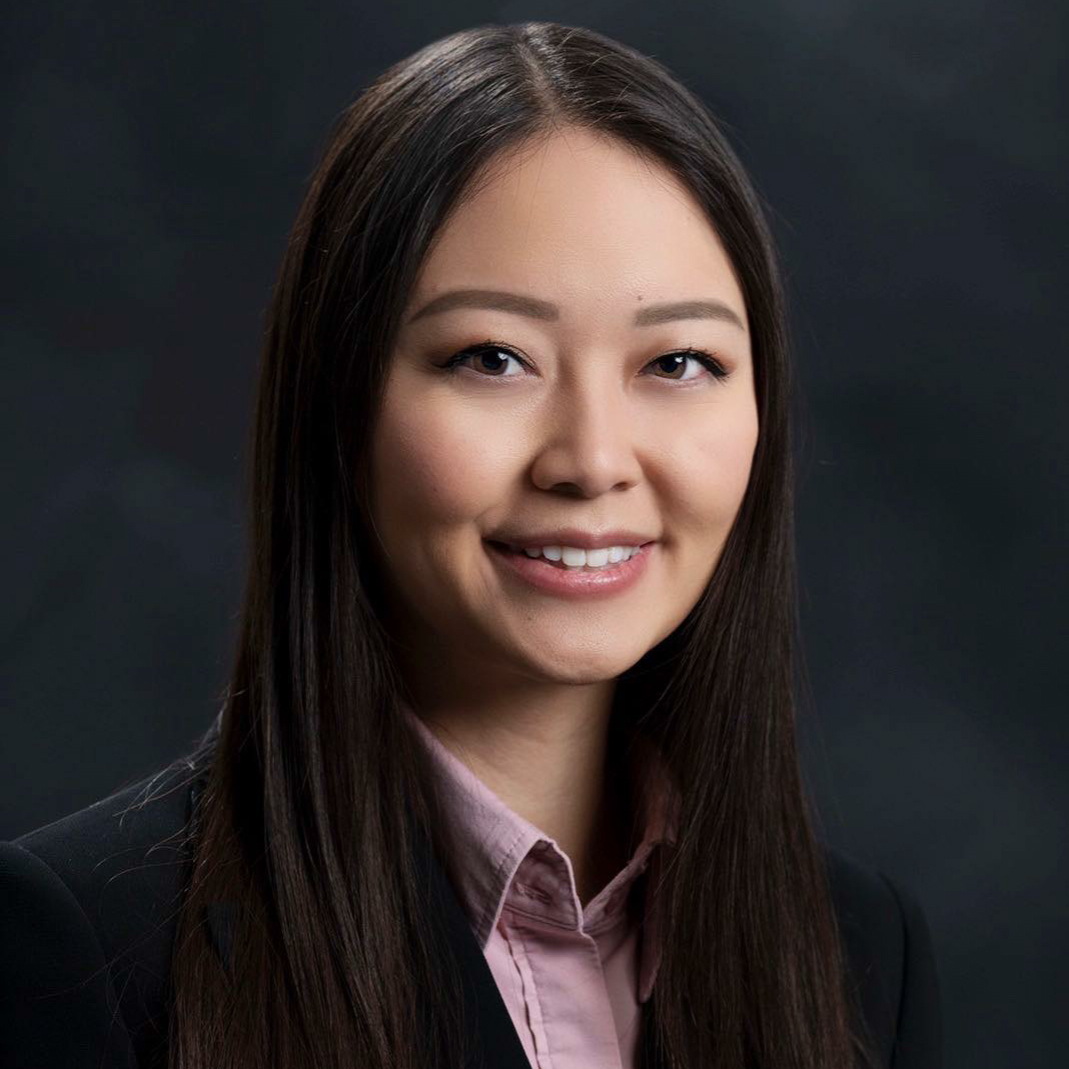
“I get to work with such wonderful people who are always eager to support me and my growth. Being able to train at such diverse sites and have access to so many experts in every niche of psychiatry is a huge strength of the program! My co-residents are all incredibly passionate about psychiatry but also lead fulfilling personal lives. I love the work-life balance I have been able to strike and have plenty of time to spend with my partner. Dallas has two major airports, so it is easy to fly anytime and visit my family.”
PGY3
- Clinical Components
- Outpatient clinics
- Subspecialty care (Child Psychiatry and electives)
- Psychotherapy
- Student Mental Health or Psychiatry Primary Care
- Schedule and Locations
During the third residency year, your goal will be to deepen your understanding of diagnosis and formulation and to develop your competence in the long-term management of psychiatric illness.
Outpatient Psychiatry
Duration: 12 months, 1 full day per week (residents can choose Monday, Thursday, or Friday)
Location: Parkland HospitalCall expectations: No formal call duties but residents are responsible for checking their EPIC in-baskets, responding to pages, and returning voicemails for their clinic patients.
Duties include managing patients with chronic psychiatric illness in a yearlong continuity clinic. Residents will become competent in outpatient medication management, including depot antipsychotic treatment and clozapine. You will also learn short-term psychotherapeutic treatments, group therapy, and motivational interviewing and how to connect patients with social services.
Child Psychiatry
Duration: 4 months
Location: Children’s Medical Center; Metrocare ServicesCall duties: Depends on rotation. Minimal or none.
Residents choose from a wide variety of child and adolescent electives to meet ACGME requirements.
First Elective
Duration: 4 months
Location: Varies, depending on chosen electiveSecond Elective
Duration: 4 months
Location: Varies, depending on chosen electivePsychotherapy
Duration: 12 months
Location: UT Southwestern Psychotherapy ClinicCall expectations: Residents are expected to follow up on patient calls and be available for patient questions, refills, or crises.
The resident will provide a variety of psychotherapeutic approaches in a longitudinal outpatient setting, including cognitive-behavioral therapy, psychodynamic therapy, brief psychotherapy, and supportive psychotherapy. Residents with full licenses may also use combined psychopharmacologic approaches. All trainees will have supervision tailored to the modality chosen for their patient.
Psychiatry Selective
Duration: 12 months
Residents choose from a very diverse array of options for this yearlong, half-day experience. Popular selectives include student mental health, child psychiatry, and primary care psychiatry.
- What You Will Learn
The PGY3 curriculum aims to deepen your understanding of diagnosis and formulation and develop your competence in the long-term management of psychiatric illness. As elective time becomes available you can craft an individualized schedule, or apply for entry into one of our areas of concentration. All PGY3 residents participate in a quality improvement project.
You will explore advanced psychotherapies and study more advanced neuroscience and pharmacology. You will attend a continuous case conference, and you will likely continue your class’ training group experience through PGY3.
Balance and Diversity
PGY3s spend 1 day/week at the outpatient clinic at Parkland. Here you will learn to manage acute and chronic psychiatric illness through pharmacotherapy, supportive therapy, crisis management, and systems interventions. The patient population is ethnically diverse and is challenged by socioeconomic hardship and intensive medical comorbidity.
On another day of the week, you will attend in the UT Southwestern Psychiatry Clinic, learning intensive psychotherapy, both psychoanalytic and cognitive-behavioral, with higher functioning patients. You will co-lead a group therapy session also. Your supervision will be necessarily intensive, generally consisting of 3 hours per week with individual therapy supervisors.
You will also spend an additional half-day at either a student mental health clinic, as a consultant embedded in the Parkland Center for Internal Medicine, or at an innovative primary care clinic (PsyPCE) at the Dallas Veterans Affairs Medical Center, where you will learn to manage both medical and psychiatric issues under the supervision of internal medicine and psychiatry attending physicians.
Opportunities
For specialty training in psychosocial treatments, you will be able to choose family and couples therapy. Also, our research groups, which emphasize translational and clinical research, offer exciting opportunities for electives during PGY3.
- What Makes Our Program Special
Our outpatient training is both diverse and extensively supervised. Each training site provides individual supervision, a clinical case conference, a journal club, and a didactic survey of topics relevant to the practice of outpatient psychiatry. In the Psychiatry Clinic you will be supervised by psychoanalysts and cognitive-behavioral specialists. In Parkland's outpatient clinic, our central site for learning psychopharmacology and general psychiatric management, we have attendings onsite in the clinic whose only role is to provide supervision and teaching for residents.
We are at the vanguard in providing training in the integration of psychiatry and primary care, through an array of models that include the Psychiatry Primary Care Experience, where our residents provide the entirety of their patients’ treatment – both the psychiatric as well as the primary care – and are jointly supervised by a psychiatrist and an internist.
In addition, we offer multiple elective opportunities designed to foster the development of your unique interests in psychiatry. You may also choose an elective seminar on reading fiction through a psychoanalytic lens, which is offered in the spring.
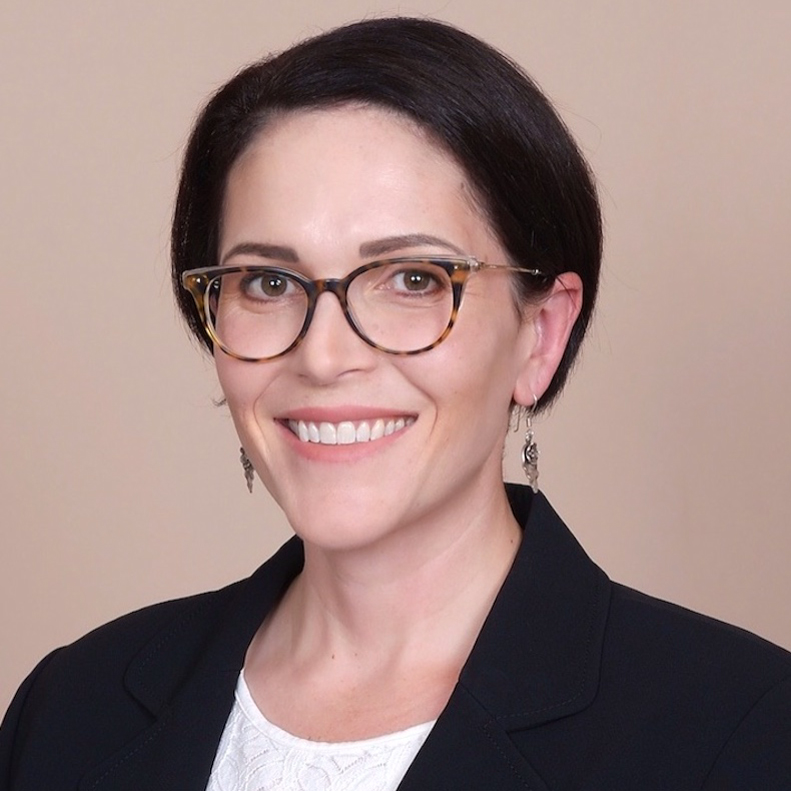
“Learning about the opportunities at UTSW, I realized there really was nothing this program doesn’t offer: A variety of training sites, diverse patient populations, numerous research and community engagement projects, and any fellowship I might choose to pursue in the future. Not only that, but what I’ve come to find out is that my co-residents are also so diverse--in backgrounds, past experiences, interests, and personalities. It’s amazing how different we all are, yet how close and well connected we have become already. Everyone, from the chair of the department to fellow residents, has been immensely welcoming and supportive.”
PGY4
- Clinical Components
- 10 months of electives
- Consult-Liaison Psychiatry
- Psychotherapy
- Schedule and Locations
Acute Care Psychiatry
Duration: 1 month
Location: Depends on selected siteCall expectations: Weekend and home call.
Residents return to an acute care rotation site of their choosing (inpatient or consult) with goals to develop skills required of an attending psychiatrist. While in this role, residents have the opportunity to lead a teaching team with a junior resident, apply psychotherapy training to acute settings, and develop mastery of acute psychiatric treatments. Residents will also lead a didactic teaching session for other residents and medical students.
Consultant-Liaison Psychiatry
Duration: 1 month
Location: Parkland HospitalCall expectations: Weekend and home call.
The CL Psychiatry Service is a collaborative and multidisciplinary team that includes attending psychiatrists, attending psychologists, psychiatry second- and fourth-year residents, third-year medical students, and psychology doctoral interns. Residents will provide evaluations, medication recommendations, psycho-education, and psychotherapy under the supervision of an attending psychiatrist. This rotation includes weekly conferences and daily interdisciplinary rounds.
Electives
Duration: 10 months
Location: Depends on electives chosenCall expectations: Minimal or none.
Psychotherapy
Duration: 12 months minimum
Location: UT Southwestern Psychotherapy ClinicCall expectations: Residents are expected to follow up on patient calls and be available for patient questions, refills, or crises.
The resident will provide a variety of psychotherapeutic approaches in a longitudinal outpatient setting, including cognitive-behavioral therapy, psychodynamic therapy, brief psychotherapy, and supportive psychotherapy. Residents with full licenses may also use combined psychopharmacologic approaches. All trainees will have supervision tailored to the modality chosen for their patient.
- What You Will Learn
You will attend a continuous case conference and a selective series of advanced psychiatry seminars, which is revised each year in consultation with the residents. Having covered all of the requirements, the coordinator will provide you with a list of "areas of faculty expertise that you didn't know about," and your class will together design your own syllabus. In addition, you will attend a series of seminars on career direction, job searching, negotiating, leadership, and management; prepare for various career paths; review neurology; and receive an overview of general psychiatry to help you prepare for board exams.
Balance and Diversity
2 months of CL psychiatry is required. On the CL service, you will learn to integrate your knowledge of biopsychosocial medicine by consulting and collaborating with your non-psychiatric physician colleagues in a general hospital.
The remainder of the year involves a broad range of clinical, administrative, teaching, and research electives.
Opportunities
Psychotherapy cases and supervision continue throughout PGY4. You will have opportunities to pursue further training in more specialized forms of psychotherapy such as cognitive-behavior therapy, interpersonal therapy, family therapy, and dialectical behavior therapy. You may also elect to begin formal psychoanalytic training at the Dallas Psychoanalytic Center.
- Senior Project
Residents are mentored in a senior scholarly project for a virtual oral presentation at the end of the year. The purpose of the project is to prepare residents to be comfortable establishing and presenting their expertise in their chosen areas of psychiatry. Senior projects can be built around a research project, quality improvement project, or scholarly review. Recent examples:
- Adverse Outcomes in Psychiatry
- Chief Resident Role: Texas Psychiatry Residency Programs Survey
- Competency to Stand Trial: An Assessment of Dallas County
- Creating Junior Attending Rotations in the PGY4 Year: What's Being Done and What Do Residents Want?
- Development of Addictions Treatment Program in Rural Texas: Practice Guidelines and Review of Current Recommendations
- Humanities in Psychiatric Residency Training: A Survey of Program Directors in the United States
- Impact of Couples and Family Therapy on Psychiatric Residents
- Ethical Perspectives on Antipsychotics and Older Patients
- "My Doctor Says the Darndest Things!" Teaching Trainees and Faculty Patient-Centered Documentation
- Perinatal Alliance Loss Support (PALS) Clinic
- Practice Guidelines for Group Therapy in Hispanic Populations
- Psychological Safety in Medical Education: A Scoping Review
- Psychopharmacology Video Series: Needs Assessment and Development
- Single-Nuclei Transcriptional Profiling of the Human Habenula
- Social Media in Psychiatry Residency Recruitment
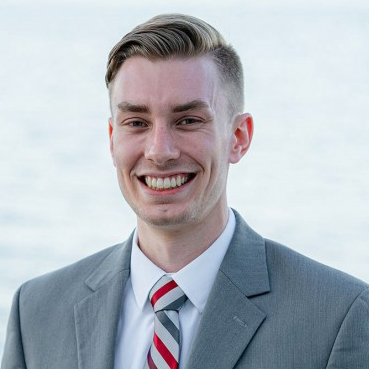
“I couples matched with my wife (who is also a psychiatry resident), so we ended up applying to a huge amount of programs around the country. Throughout that pre-interview scoping-out process, UT Southwestern checked all of my boxes: it was a well-rounded and thorough program with a good variety of sites, placed a heavy and thoughtful emphasis on therapy (relatively rare throughout the South and Midwest, where the majority of our applications were located), and had access to nearly every psychiatry-related service throughout the Dallas-Fort Worth area, meaning that they had offerings in both my wife’s and my areas of interest: transitional-age youth for her, community psychiatry for me.”
Electives
Starting in PGY2, you will have the opportunity to start focusing your training by selecting appropriate electives and/or participating in special programs in psychoanalytic psychotherapy or primary care.
- Addiction Psychiatry
VA Addictions – Methadone Clinic
Residents work with patients with a primary diagnosis of opioid dependence who receive either methadone or buprenorphine maintenance. Residents are expected to learn the administrative aspects of the Methadone Clinic and attain expertise in addiction management.
VA Addictions – Motivational Interviewing/Motivational Enhancement Therapy
Residents will develop skills in motivational interviewing (MI) and motivational enhancement therapy (MET) for a range of commonly encountered treatment concerns (e.g., medication adherence, substance use, diet change, exercise). Training will include didactic teaching on MI theory/principles, live observation of trainer-facilitated MI/MET sessions, and regular review and feedback of audio-recorded, resident-facilitated MI/MET sessions.
VA Addiction Outpatient Clinic
Residents will see a wide variety of patients with a primary diagnosis of addictive disorders and co-occurring psychiatric disorders. Clinic will be followed by didactic teaching on an addiction-related topic.
VA Mental Health Pain Clinic
Residents see and evaluate patients (including some in opioid substitution therapy) with a wide range of pain problems and severity of pain. Residents have the opportunity to learn about various treatment modalities for chronic pain.
- Child and Adolescent Psychiatry
Center for Autism Care
The UT Southwestern and Children’s Health℠ Center for Autism Care is a multidisciplinary clinic that integrates research and clinical care for children with autism spectrum disorder. Residents initially focus on assessment, diagnosis and treatment, but may also choose to immerse themselves in the Center’s cutting-edge translational research.
Children’s Medical Center Inpatient Psychiatry
The resident will work within a multidisciplinary treatment team to deliver care to a high-acuity child and adolescent population. The patient population is predominantly mood-based with some medical complexity possible. Residents will be expected to take their own cases proportioned appropriately to PGY level with attending direct supervision.
Children's Medical Center Outpatient Clinic
The CMC Outpatient Clinic provides diagnostic evaluations and treatment to a wide range of children and adolescents, as well as ongoing care of patients who are discharged from the Psychiatric Inpatient and Day Treatment services. The PGY-3/PGY-4 resident will care for child and adolescent outpatients with an emphasis on a developmental, bio-psychosocial, and culturally sensitive approach to outpatient child and adolescent psychiatric practice. New cases and follow-ups are presented, discussed, and staffed by faculty. The cases are carried throughout the rotation, and an appropriate disposition is made at the conclusion of the rotation.
Family Studies Clinic
Residents meet with families in distress and an experienced family psychotherapist as a group. Afterward, videos of sessions are reviewed and discussed. Residents learn the finer points of emotionally focused therapy and other postmodern viewpoints such as narrative therapy. The main responsibilities of residents are to be a co-therapist for a family or couple.
Intensive Treatment of Children with Severe Behavioral and Emotional Problems
Residents work in specialty multidisciplinary programs intended to provide care to children and adolescents with significant social difficulties. Residents complete diagnostic evaluations and treatment plans, and become comfortable managing psychopharmacology in these populations. Moreover, resident physicians learn about other community resources available to this population and participate in weekly staff meetings with probationary staff from the juvenile department.
School Clinic for Children and Adolescents
This Metrocare clinic serves the Garland Independent School District. Residents learn to care for a diverse set of diagnostic challenges in school-age children, including ADHD, ODD, mood disorders, autism spectrum diagnoses, and anxiety disorders. At the end of the rotation, the resident will be adept at creating and modifying a comprehensive treatment plan for children and adolescents in a community mental health outpatient setting as well as interact with school, primary care practices, and counseling support systems in a time-efficient manner.
- Community Psychiatry
Community Psychiatry, VA Medical Center
This elective consists of three Dallas Veterans Affairs Medical Center community psychiatry programs: Comprehensive Homeless Center (CHC), Community Support Treatment Program (CSTP), and Community Residential Care (CRC). Unless otherwise pre-arranged, the resident will rotate through each program during the Community Psychiatry rotation.
- Comprehensive Homeless Center: Resident will learn to implement principles of the mental health recovery model and work with multidisciplinary teams in an effort to assist in ending homelessness.
- Community Support Treatment Program: As the seriously mentally ill population frequently requires acute psychiatric hospitalizations, residents will participate in evaluating appropriateness for change in level of care, following veterans as they are hospitalized and as they transition back to community care.
- Community Residential Care Program: Resident will develop psychosocial assessment and intervention skills with chronically mentally ill veterans residing in VA-approved assisted living facilities.
Developmental Disabilities Psychiatric Services
This community clinic at Metrocare serves the following patient populations: children and/or adults with a diagnosis of developmental disabilities, including mental retardation (mild to profound), autism spectrum, complicated by disruptive behaviors, impulsive control disorder, and stereotypical movement disorders. Residents will have exposure to the special diagnostic and treatment problems of children with both developmental disabilities and disruptive behaviors or severe psychiatric symptoms.
Mental Health Access Clinic and Integrated Care, VA Medical Center
This team sees new patients who present for emergency, urgent, walk-in, and non-urgent scheduled evaluations and mental health care. The team also collaborates with Primary Care physicians to care for mental health patients within the primary care setting. The team also provides inpatient consultation-liaison services.
Mental Health Copper Team Outpatient Clinic, VA Medical Center
This outpatient clinic’s patients include combat as well as non-combat veterans. Many suffer from consequences of exposure to war, including Iraq, Afghanistan, Bosnia, Desert Storm, and Vietnam. There will be opportunity to participate in therapeutic interventions, including treatment of patients with serious mental illness needing depot antipsychotic injections or clozapine.
Outpatient Clinic, VA Medical Center
The VA Platinum Clinic is a general psychiatry outpatient clinic which treats veterans with a wide variety of psychiatric disorders including mood, anxiety, psychotic, substance abuse, and personality disorders. Platinum clinic patients include veterans with first onset psychiatric disorders as well as those who are chronically ill, are treatment-resistant, or have complex psychiatric and medical co-morbidities. The purpose of this elective is to help residents expand their knowledge of the diagnosis and evidence-based pharmacotherapies and psychotherapies of outpatients with complex, first-onset, chronic, or treatment-resistant psychiatric conditions.
- Consultation-Liaison Psychiatry
PGY-4 residents with an interest in Consultation-Liaison Psychiatry explore psychosomatic medicine, including transplant psychiatry at William P. Clements Jr. University Hospital. This elective trains PGY-4 residents in Consultation-Liaison Psychiatry in a private academic hospital setting at Clements University Hospital and at a public hospital setting at Parkland Hospital.
- Education and Teaching
Education Track Teaching Elective on Parkland Consults
The resident will meet with one or more of the third year medical students on the Parkland Consult Service to evaluate a patient. The resident will either demonstrate an interview or supervise a student performing the interview. The resident and student(s) will then discuss the interview process and the patient formulation in depth. There will be the opportunity to participate as a co-facilitator in the Academic Colleges covering topics such as communication skills, mental status exam, child development, culture and medicine, or addictions.
Senior Education Elective at the Parkland Outpatient Psychiatry Clinic
The PGY-4 will take on an educational and clinical role supervising PGY-3s in their evaluation, treatment planning, documentation, and follow-up visits with Parkland Outpatient Psychiatry Clinic (POPC) patients. They also will have direct teaching responsibilities for fourth year medical students who do electives in the Clinic. Further educational responsibilities will include the coordination of case conference, with opportunities to be the “guest” attending, and didactic presentations. Throughout the rotation, there will be direct supervision and education training for the PGY-4 by the POPC attendings (who are experienced in teaching, treatment, and administration).
Teaching Elective at Dallas Veterans Affairs Medical Center
Residents rotate with several mentors during this elective. Mentors serve as role models and assist the residents in improving teaching skills and developing lectures and presentations to medical students and junior residents. Residents are also expected to discuss a selected set of core readings covering teaching-related topics focused on best practices in trainee supervision and formal teaching.
- Forensic Psychiatry
Forensic Examinations
Juvenile Detention Center or Adult JailDuring this elective or selective, residents will have exposure to adult and/or juvenile forensic psychiatry cases. The resident physicians will become knowledgeable in forensic evaluations, Texas mental health law, and competency. Furthermore, residents will provide treatment to patients under the supervision of an attending physician.
Forensic Psychiatry at Terrell State Hospital
Residents have to option to complete a rotation on the Forensic Psychiatry Unit at Terrell State Hospital, where they will have exposure to forensic psychiatry on an inpatient setting. Residents will be a member of a multidisciplinary treatment and evaluation team.
- Geriatric Psychiatry
Geriatric Neuropsychiatry Clinic
Dallas Veterans Affairs Medical CenterThe Geriatric Neuropsychiatry Clinic at the VA Medical Center is designed to evaluate veteran elders referred for specialized geropsychiatric assessment. Practical, efficient “office” diagnostic skills are emphasized. There are opportunities for in-depth discussion and for residents to observe the attending physician conducting diagnostic interviews. Selected handouts and readings are available to further enhance their elective experience.
Neuropsychology Consult Clinic – VA Medical Center
Psychiatry residents further their understanding of cognitive functioning by being provided with training by two board-certified neuropsychologists. Residents will have the opportunity to observe complete neuropsychological evaluations. Residents can also be trained on the administration and basic interpretation of several cognitive screening measures that they could administer to veterans under the direction of the neuropsychologist.
- Philosophy in Psychiatry
The practice of psychiatry raises fundamental questions of epistemology and moral theory, which are a focus of Dr. John Sadler's Philosophy of Psychiatry Program. During this elective, the resident will develop skills in recognizing assumptions, defining values, making semantic distinctions, and anticipating practical outcomes of psychiatric practices.
- Psychoanalytic Psychotherapy Training
Psychoanalytic psychotherapy training is a particular strength of the Psychiatry Residency Program.
We maintain a close affiliation with the Dallas Psychoanalytic Center (DPC), an independent entity whose offices are housed within our Education Unit. As part of our residents' core training in psychotherapy, each resident will have at least one year of weekly supervision by a DPC psychoanalyst. Members of the Dallas Psychoanalytic Center are also among our most valued and inspiring seminar teachers. Dr. Brenner also serves on the faculty of the DPC.
In addition to these core experiences, our residents are encouraged to take advantage of other optional training opportunities as well:
- Undergoing one’s own psychotherapy can be a powerful learning experience for residents in psychiatry. DPC members provide reduced-fee psychotherapy for residents.
- We sometimes have residents who elect to begin training in the DPC’s Adult Psychoanalysis Program during their third and fourth years.
- Psychotherapy
Dialectical Behavioral Therapy
Residents learn the fundamentals of evidence-based treatment of borderline personality disorder. They will co-lead a psycho-education group for 12 months, participate in weekly group supervision, and conduct individual long-term (12 months) psychotherapy for patients with borderline personality disorder.
Eating Disorder Family Therapy and Research
The resident will join the Adult Eating Disorder Program at Texas Health Resources Presbyterian Hospital of Dallas where PGY-3 residents will follow one to two patients at a time throughout their rotation, and attend therapeutic activities with the patients (meals, art therapy, education, and multifamily group therapy). The resident will lead a case conference for the clinical team during their rotation, focusing on exploring an interest related to their patients.
Evidence-Based Psychotherapy
The goal of this rotation is to provide residents with training in two evidence-based psychotherapies (EBPs) which will be selected by the rotation participants. The following EBPs will be available: cognitive processing therapy, prolonged exposure, acceptance and commitment therapy (ACT), interpersonal therapy (IPT), integrative behavioral couples therapy (IBCT), cognitive behavioral therapy for insomnia (CBT-I), cognitive behavioral therapy for chronic pain (CBT-CP), motivational interviewing (MI), and motivational enhancement therapy for substance use disorders.
Medical Psychotherapy – Parkland Hospital
Residents are trained in inpatient medical psychotherapy on the Consultation-Liaison Psychiatry Service for patients with co-morbid medical/mental health conditions. Interventions are typically brief, problem-focused, and involve behavioral management of staff as well. Potential exists for sharpening short-term CBT skills, as well as learning basics of ACT, if interested.
Family Studies Clinic
Residents meet with families in distress and an experienced family psychotherapist as a group. Afterward, videos of sessions are reviewed and discussed. Residents learn the finer points of emotionally focused therapy and other postmodern viewpoints such as narrative therapy. The main responsibilities of residents are to be a co-therapist for a family or couple.
Psychotherapy at the Faculty Practice
Affective Disorders, Anxiety, and TraumaThe Faculty Practice uses intense psychoanalytic psychotherapy, existential psychotherapy, and mindfulness approaches to help patients with depression, anxiety, personality disorders, and histories of trauma. Residents work under direct supervision of faculty psychiatrists in a setting similar to the private-practice model. There will be opportunities to observe experienced clinicians interacting with patients in both medication management and psychotherapy encounters. Residents also build their own caseload by performing new psychiatric evaluations, providing follow-up visits, and psychotherapy.
Psychotherapy at Parkland Outpatient Clinic
Personality DisordersThis Parkland Outpatient Clinic serves patients with serious co-morbid and often disabling medical problems. Residents are able to carry a year-long caseload of psychotherapy patients. Residents direct psychotherapeutic treatment, utilizing evidence based therapeutic modalities under the supervision of an attending physician.
Psychotherapy at the UT Southwestern Psychiatry Clinic
Medication Management ClinicThe UT Southwestern Psychiatry Clinic has a small percentage of patients, seen by either psychology students or psychiatry residents who do not have their full licenses, who would benefit from psychiatric medications. These patients are seen in a weekly half-day clinic staffed by a resident and the Clinic Director. Residents learn to prescribe medications in close collaboration with a patient’s therapist.
Treatment-Resistant Psychosis, Terrell State Hospital
Terrell State Hospital provides intensive and long-term inpatient treatments for patients from North Texas whose psychotic illnesses cannot be managed in the community. PGY-2 and PGY-4 residents provide psychiatric evaluation and treatment under the supervision of experienced attendings at Terrell State Hospital. There is a strong focus on effective psychopharmacology and on fostering recovery through interdisciplinary teams and family engagement.
- Reading
This elective –based at UTSW-NC5 or the Dallas Veterans Affairs Medical Center – provides an opportunity for PGY4 residents to expand their knowledge by dedicating time to read and discuss articles, and prepare for the ABPN exam.
Residents will craft their own objectives for this reading elective in consultation with an attending. Articles include original research, reviews, or meta-analyses, and cover any psychiatric topics that residents identify as areas of interest. ABPN board review covers neurology and psychiatry topics.
- Research
Biomarkers in Psychosis and Biotypes
Working in Dr. Carol Tamminga’s research group, residents will learn how to examine brain activity using biomarkers and to perform and analyze one of the biomarkers in detail. In addition, residents will analyze some aspect of a large data set which includes clinical characterization data, using multiple biomarkers and genetic analyses to adjust categorization in psychotic illness.
Eating Disorder Family Therapy and Research
The resident will join the Adult Eating Disorder Program at Texas Health Resources Presbyterian Hospital of Dallas where PGY3 residents will follow one to two patients at a time throughout their rotation, and attend therapeutic activities with the patients (meals, art therapy, education, and multi-family group therapy). The resident will lead a case conference for the clinical team during their rotation, focusing on exploring an interest related to their patients.
Community Psychiatry and Psychiatric Epidemiology
Potential projects include work on a variety of data sets already established in Dr. Carol North’s studies of homeless populations, disaster survivors, psychoeducation participants, and other projects. The resident will participate in various aspects of research on these projects, and Dr. North will personally work with him/her on all the necessary skills to analyze and interpret data and write results for publishable manuscripts, with prominent authorship opportunities for the trainee.
Psychoendocrinology Research
Residents have the opportunity to work in Dr. Sherwood Brown’s research group studying dual diagnoses (e.g., depression or bipolar disorders concurrent with medical illness or substance abuse) and the effects of corticosteroids (e.g., prednisone) on mood and memory.
Psychosocial Research and Depression Clinic
Led by Robin Jarrett, Ph.D., the Psychosocial Research and Depression Clinic studies psychosocial causes and interventions for depression. Current emphases include cognitive behavioral therapies, interventions for pregnant women, and prevention of depression. The resident may assist in recruiting, evaluating, and monitoring symptoms of women who are pregnant or attempting to conceive and who are also at risk for major depression due to a previous episode. Participation will result in a related scholarly product (e.g., review of literature or short case report).
- Sleep Medicine
Residents have the opportunity to rotate in the University Hospital Sleep & Breathing Disorders Clinic. Additionally, residents will become proficient in understanding the sleep cycle, interpreting polysomnography, and understanding both primary and secondary sleep disorders and treatment.
Objectives for the elective also include learning how medications affect the sleep cycle, how to gather a sleep history, and utilizing a multidisciplinary approach to treatment.
- Toxicology
Medical toxicology fellows direct residents on reviewing poison cases that have been called into the Poison Center. Residents will call back hospitals where a toxicology patient has been admitted to obtain more information and will also, under the guidance of a fellow, provide further recommendations.
- University Student Mental Health
PGY 3-4 residents work with a university student population at the University of North Texas and at UT Arlington, focusing on typical developmental disruptions of college students, new onset of significant psychiatric disorders, and working with patients with pre-existing illnesses to transition away from home and into greater independence.
- Women’s Mental Health
Obstetrics Complications Clinic
The Parkland Obstetrics Service is one of the largest in the US and a model for public hospital obstetrical care. As Ob/Gyn residents see patients, those who have co-morbid psychiatric disorders and are in acute need of evaluation or treatment guidance will be seen by the resident and attending. The resident also helps educate the obstetrics medical staff on mental health, treatment options, and community resources.
Postpartum Depression
Parkland Hospital Outpatient ClinicResidents will evaluate postpartum patients who have recently screened positive for postpartum depression at their Parkland Obstetrics Clinic. Residents work directly with a supervising psychiatrist and interdisciplinary team to decide appropriate treatment for patients and, if indicated, continue to follow up with patents.
Victim Intervention Program, Parkland Hospital
The Victim Intervention Program (VIP)/Rape Crisis Center serves patients who are victims of violent crime, sexual assault, domestic violence, childhood abuse, and political persecution/torture. Residents will learn to thoroughly assess trauma and utilize both medications and psychosocial interventions to provide amelioration of symptoms, social support, and long-term healing.
Women’s Stress Disorders Clinic
Residents work in outpatient clinics that specialize in women's mental health topics at the Dallas Veterans Affairs Medical Center and Parkland Hospital. An optional research experience is available to interested residents.

Special Events
Residents plan engaging programs 3 times/year. Past topics have focused on health care systems (mental health advocacy, mental health policy, insurance system effects of the delivery of psychiatric care); issues of race, culture, and caring for historically underserved populations (LGBTQIA+ mental health, social determinants of health and marginalization, African Americans and psychiatry; issues of race and culture; Latino culture and mental health; the impact of racism on Asian Americans and mental health); forensic psychiatry (discussing adverse events, mental health court testimony; a mock trial experience, firearms and suicide risk, psychiatry’s response to mass shootings); addiction psychiatry (the opiate crisis); the interaction of psychiatry and art (psychiatry and the visual arts, psychiatry and the performing arts), as well as other areas of interest to residents (religion and psychiatry, personal finance in medicine). Several programs are described below as examples.
- Psychiatry and the Visual Arts
To explore the interface of psychiatry and the visual arts, all residents spent the afternoon at the Dallas Museum of Art for a special program in April 2016 and again in April 2019 learning about the relationship between looking for and finding meaning in modern art and clinical work. An updated program occurred in Fall 2022 titled "The Power of Observation." The afternoon began with a lecture given by Bonnie Pitman, Distinguished Scholar and Director of Art-Brain Innovations, The Center for BrainHealth, The University of Texas at Dallas, on the differences among seeing, looking, and observing and the practice of scanning, attending, connecting, and transforming in observation. Then the residents were divided into small groups and rotated through five stations among the museum’s permanent collection, each led by one of the resident members of the planning group, who had selected a specific piece that they would present and guide the groups through an experience of active learning and participation. Through selections that included portraits, landscapes, and sculptures, the resident leaders provoked new ways of seeing art and rich explorations of the connections among biography, cultural context, creativity, and mental illness.
- Personal Finance in Medicine
In Spring 2022, a group of residents recruited local physician experts to provide an overview of personal finance focused on topics most relevant to physicians. Topics included an overview of financial literacy, approaches to managing student loan debt, and common investment strategies. A highlight of the session was an extended, moderate, anonymized question-and-answer session.
- Insurance System Effects on Psychiatry Care
A special session on insurance system effects on psychiatric care was held in Winter 2021, beginning with a keynote lecture delivered by the physician chief executive officer of the local state-funded provider of outpatient psychiatric care. The lecture focused an overview of the current U.S. private insurance model and the role of publicly-funded systems in the delivery of both inpatient and outpatient psychiatric care. Residents broke into smaller groups for faculty panel discussions of the role of payer sources in care delivery and common interactions between physicians and payers. The residents remained in small groups for discussion of case scenarios focused on the role of systems in care delivery. The session ended with a pub trivia game to wrap up the information covered in the session.
- Adverse Outcomes and Medical Malpractice
In this Spring 2022 special seminar, physicians from across the health care systems (UTSW and Parkland hospitals, UTSW outpatient psychiatry, private practice) discussed their experiences with adverse outcomes and malpractice claims. Faculty physicians spoke movingly about their emotional responses to cases with adverse outcomes, including patient suicide. A local expert on forensic psychiatry presented a didactic lecture that defined important terms and concepts in malpractice, and the chief medical officer of Parkland hospital discussed his personal experience of managing a malpractice claim. Through these sessions, the special seminar appropriately balanced the emotional and technical aspects of adverse events.
- Firearms and Suicide
In January 2019, residents participated in an interactive session intended to provide education and exposure to the clinical challenge of assessing firearm safety. Stimulated by resident interest and research in this topic, this session first provided education on the increased risks of suicide associated with owning firearms contrasted with data that physicians, including psychiatrists, commonly skip this important part of a safety assessment. Common barriers to firearms assessment were addressed by components of the seminar. First, a legal expert discussed liability and legal protections for physicians asking patients about firearms. Second, a campus police officer provided basic education about firearms, including a demonstration with decommissioned firearms and gun locks. Finally, residents engaged in role-play scenarios to practice a thorough firearm assessment in a clinical scenario. Post-session evaluations showed improvements in residents’ confidence in their ability to perform a firearms assessment. The residents who developed the session subsequently presented a similar event at a national meeting of psychiatric educators.
- The Opiate Crisis
With the rest of our nation, residents within our program expressed concern and a desire for enhanced preparation for the challenges associated with the management of pain, prescribed opiates, and effective treatment for opiate use disorders. Although residents have opportunities to rotate through addiction services and clinics, including those which focus on opiate replacement therapies, this September 2018 seminar served to bring residents at every level of training together to consider the management of individual patients and health issues of the broader population from opiate use. Resident leaders presented information on the history and impact of the opiate epidemic and the basics of the current landscape of prescription and non-prescription opiates. The residents were then presented with a hospital case vignette and asked to work in small groups to explore the clinical challenges of comorbid pain and substance use disorders. The case was reviewed by an interdisciplinary panel of experts, who addressed different aspects and perspectives of the case. Residents used the knowledge gained to work in small groups to brainstorm system interventions and consider opportunities for advocacy.
- Latino Culture and Mental Health
A special seminar on Latino culture and mental health was presented September 2017 at the Latino Cultural Center. Presentations from residents discussed the history and nuances of Latino vs. Hispanic vs. country-specific identities, as well as culture-bound syndromes. A panel of health professionals, including Parkland’s chief medical officer, the founder and chief executive officer of Centro de Mi Salud, and a physician at Child & Family Guidance, all Spanish speakers, was tasked with sharing experience as Latino/Hispanic health professionals and treating patients of Latino/Hispanic origin. They answered questions about common pitfalls and general guidance for treating patients with Latino roots and culture. The seminar then shifted to a presentation by an artist that showcased art from Latino artists and the “New Codex Oaxaca: Immigration and Cultural Memory” project. Residents were invited to participate in creating their own art in the form of collages. Collages from those who volunteered to donate their pieces were displayed in the resident lounge.
- Religion and Psychiatry
A special seminar on religion and psychiatry was held in April 2017 to help residents learn about diverse religious beliefs and begin to understand how religious beliefs influence mental health and mental health care. Specific goals included maintaining a sensitive and accepting therapeutic position with patients of diverse spiritual and/or religious beliefs and practices, as well as gaining a general understanding of world religions. The seminar included lectures discussing the evidence-based research analyzing the impact of religion on mental health and the practical approach to assessing spiritual and religious history. A chaplain provided insight into the role of chaplains, the referral process, and the chaplain approach to patients with varying religious beliefs. A highlight was a panel of various clergy representing different religious backgrounds and providing information about the basic tenets of their religion and that religion’s conceptualization and approach to mental illness. They answered questions about their role in treatment as the patient’s clergy. The seminar ended with small groups discussing cases and reflecting on the discussion.
- LGBT Mental Health
The LGBT mental health program, held in June 2016, educated residents on the unique mental health needs of individuals who are lesbian, gay, bisexual, and transgender. As part of the curriculum, an LGBT Mental Health 101 course was created, covering LGBT-specific terminology, history of homosexuality within the Diagnostic and Statistical Manual of Mental Disorders, and mental health disparities. Other lectures given during the seminar included psychotherapeutic considerations for LGBT individuals and the neurobiology of sexual orientation. The program also included a multidisciplinary panel discussion to explore a case of gender dysphoria, with local experts drawn from psychiatry, endocrinology, pediatrics, and the law. A particularly moving highlight was the opportunity to speak in small groups with patients who identify as transgender to discuss their experiences within the health care system.
