
Ophthalmology Residency Program
2026 Application Deadline
October 1
2026 Residency Interview Dates
Friday, October 30
Friday, November 6
Friday, November 20
Friday, December 4
Friday, December 11
There will be no in-person interviews. All interviews will be held virtually.
Introduction to the Ophthalmology Residency Program
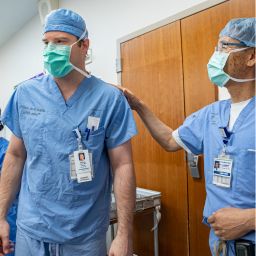
Each year, our Ophthalmology residents gain outstanding and rigorous clinical experience as a result of high surgery volume and clinical pathology. We accept 10 residents each year and strive to provide the best ophthalmic education possible. Didactic lectures presented by our full-time and clinical faculty cover all the basic science and clinical topics, as well as lectures that help fulfill ACGME competencies in medical knowledge, professionalism, system-based practice, practice-based learning and improvement, and interpersonal and communication skills.
Integrated Internship
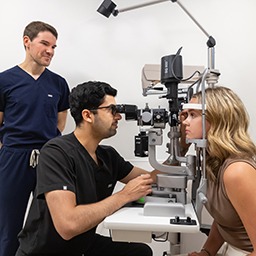
Since 2021, the department has offered an integrated internship. For applicants matching with UT Southwestern Ophthalmology through SF Match, the internship year will be at UT Southwestern. We have chosen to fully integrate our internship (as opposed to a joint preliminary year model favored by many other ophthalmology programs, where interns are assigned to another program for the year and “loaned” back to ophthalmology for three months) to maintain direct control of the internship and build an internship schedule that will be applicable to the future practice of ophthalmology. Our ophthalmology interns will have the following rotations:
- Internal medicine (4 months)
- Endocrinology (1 month)
- Rheumatology (1 month)
- Neurology (1 month)
- Otolaryngology (1 month)
- Emergency medicine (1 month)
- Ophthalmology (3 months)
2026-2027 Stipends
PGY-1: $71,657
PGY-2: $74,258
PGY-3: $77,686
PGY-4: $82,225
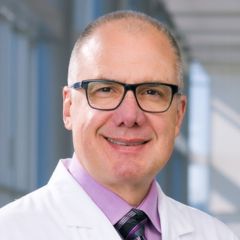
J. William Harbour, M.D.
Professor and Chair of Ophthalmology
Our goal in training residents and fellows is that they will become leaders in ophthalmology in their subspecialties wherever they practice, to not only learn to be technically good and good surgeons but to be compassionate physicians.
Rotations and Surgeries
- By Year
First Year
During the first year of residency, five months are spent at Parkland Memorial Hospital; three months at the Dallas Veterans Affairs Medical Center; one month at Children’s Medical Center; and three months at John Peter Smith Hospital in Fort Worth.
First-year residents assist on cataract and other intraocular surgery, as well as perform plastic surgery, enucleations, strabismus surgery, trauma, and other minor surgery as primary surgeon.
Second Year
Second-year residents spend time at Parkland Memorial Hospital, the Dallas Veterans Affairs Medical Center, and John Peter Smith Hospital. The residents’ surgical experiences broaden considerably and they perform an increasing amount of cataract surgery (approximately 30 cataract extractions and implants as primary surgeon), and retinal surgery. Residents learn to perform phacoemulsification on their cataract cases at the VA Medical Center and John Peter Smith Hospital as primary surgeon. The second year emphasizes subspecialty experiences with rotations in neuro-ophthalmology and orbital disease; cornea and external disease; retina; and plastics with the full-time faculty.
Third Year
Senior residents spend their final resident year on glaucoma, retina, and surgical rotations at Parkland Memorial Hospital, the VA Medical Center, Children’s Medical Center Dallas, and John Peter Smith Hospital. The surgery is more advanced, including difficult ocular trauma, refractive surgery, trabeculectomies, retinal procedures, phacoemulsifications, and extracapsular cataract and intraocular lens implant surgery. Each resident rotates through Parkland as the Chief Surgical Resident.
- Subspecialty Rotations
- Comprehensive ophthalmology
- Contact lenses
- Cornea and external disease
- Lens and cataract
- Glaucoma
- Low vision rehabilitation
- Medical retina
- Neuro-ophthalmology
- Ocular oncology
- Oculoplastics and orbital surgery
- Ophthalmic pathology
- Pediatric ophthalmology and strabismus
- Retina and vitreous surgery
- Uveitis and intraocular inflammation
- Surgery
We far exceed minimum surgical requirements for training as established by the ACGME. With a variety of training sites in the Metroplex, we offer a broad base of surgical training with substantial surgical numbers in all subspecialty areas, in addition to cataract surgery. Residents perform surgery with advanced equipment, including femtosecond laser-assisted cataract surgery and premium intraocular lens implants. All numbers below reflect cases where resident was the Primary Surgeon unless indicated (S+A=Surgeon + Assistant for those categories where ACGME counts both primary and assisting for the procedure).
Procedure ACGME Minimum Requirement UTSW Ophthalmology 2025 Residency Class Cataract 86 274 Laser Surgery - YAG Capsulotomy 5 42 Laser Surgery - Laser Trabeculoplasty 5 40 Laser Surgery - Laser Iridotomy 4 13 Laser Surgery - Panretinal Laser Photocoagulation 10 210 Keratoplasty (S+A) 5 6 Pterygium/Conjunctival and Other Cornea 3 15 Keratorefractive Surgery (S+A) 6 7 Strabismus 10 28 Glaucoma - MIGS 5 25 Glaucoma - Trabeculectomy/Tube Shunts (S+A) 5 6 Retina Vitreous (S+A) 10 22 Intravitreal Injection 10 718 Oculoplastic and Orbital 28 39 Oculoplastic - Eyelid Laceration 3 6 Oculoplastic - Chalazion Excision 3 6 Oculoplastic - Blepharoplasty/Ptosis Repair 3 10 Globe Trauma 4 12 Source: ACGME Case Logs
Videos: Get to Know the Department of Ophthalmology
- Virtual Tours
YouVisit Tour - An interactive campus tour that brings to life what a future at UT Southwestern could look like.
Ophthalmology Tour
UT Southwestern Campus Tour
- About our Program
J. William Harbour, M.D., Professor and Chair of Ophthalmology, discusses the strengths of the department's training programs:
Kishan G. Patel, M.D., Director of the Ophthalmology Residency Program, on what UT Southwestern has to offer:
Leadership

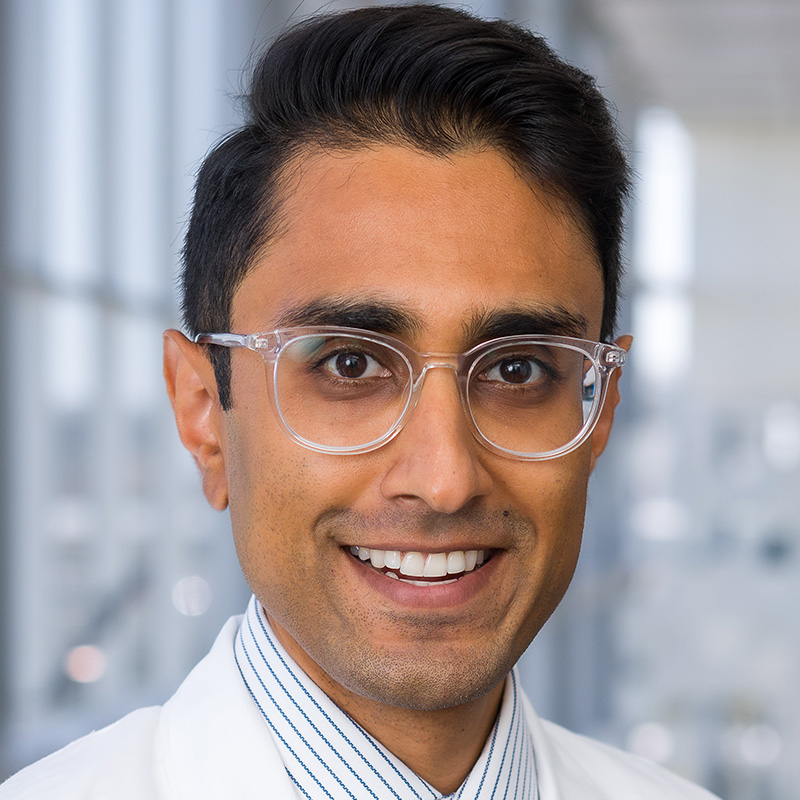

Andrea Davis Willingham, B.S., C-TAGME
GME Program Coordinator III
Andrea.davis@utsouthwestern.edu
Phone: 214-648-3848
