Match Day magic: Spotlighting the pride and purpose of the Class of 2026


At exactly 11 a.m. on Friday, March 20, UT Southwestern’s Medical School Class of 2026 will join more than 50,000 medical students nationwide to open envelopes and learn where the next chapter in their clinical training will take them.
Match Day is more than a defining moment for new doctors – it’s a first glimpse into a future, surrounded by family, friends, and UTSW mentors who have supported them along the way.
As the big day in the Bryan Williams, M.D. Student Center gymnasium approaches, eight soon-to-be graduates reflect on their personal journeys. One started out as a temporary administrative employee at UTSW and, over 18 years, evolved into a faculty educator and then medical student. Another coached a local high school robotics team to the world championships. Each of these future leaders in medicine represents the best of the Class of 2026 and UTSW’s ongoing commitment to excellence.
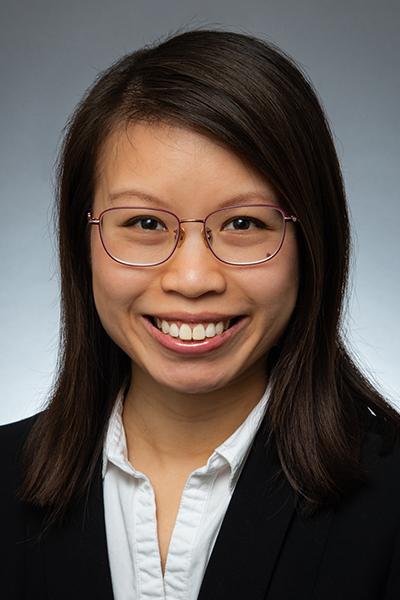
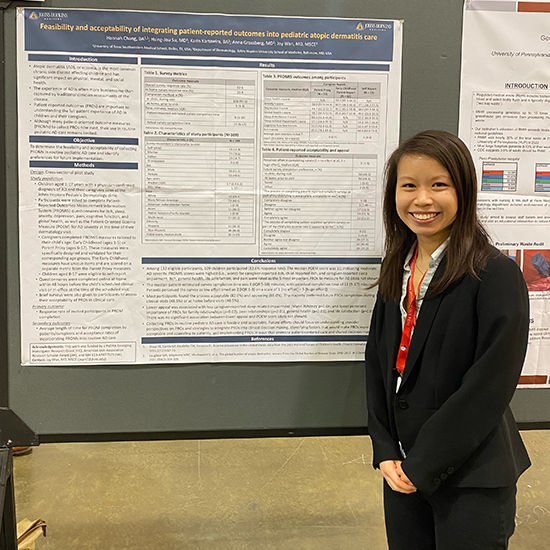
Hannah Chang
Hometown: College Station, Texas
Specialty: Dermatology
Match: Stanford Health Care, California (Transitional Year, Baylor Scott & White All Saints Medical Center, Texas)
“I am thrilled to be joining Stanford Dermatology and am extremely grateful for all of my family, friends, and community who have uplifted me along the way!”
Why did you decide to become a physician?
Before college, I didn’t plan to attend medical school. Growing up in a family of engineers, I began freshman year at the University of Pennsylvania in chemical and biomolecular engineering, yet soon grew tired of drawing process flow sheets and solving reactor material balances. I wanted greater human interaction and a more direct way of helping others. This motivation led me to the Children’s Hospital of Philadelphia, where I studied cognitive functioning in children with atopic dermatitis and fell in love with medicine – and, more specifically, pediatric dermatology.
What is the biggest challenge you have faced in your medical education and how did you overcome it?
It has been maintaining balance and making time for activities outside of medicine. It’s easy to spend every available moment studying, doing research, or participating in student organizations. To address this, I created a structured schedule where I focused on coursework during the weekdays, dedicated one weekend day to research, and reserved the other for rest and hobbies. This allowed me to recharge and remain grounded through activities I enjoy, such as running, cooking Taiwanese dishes, playing board games with friends and family, and spending time outdoors.
What made you choose to attend UTSW?
I was drawn to UT Southwestern for its excellent clinical training, robust research opportunities, and emphasis on community outreach. The institution has a rigorous curriculum paired with a supportive culture that prepares students to excel in their chosen fields. Additionally, the faculty were extremely warm and welcoming during my medical school interview, and I immediately felt at home.
What are you most looking forward to about training and practicing in your chosen specialty?
There’s a significant shortage of pediatric dermatologists nationwide, and I’m excited to help bridge this gap. During residency, I look forward to gaining a strong foundation in general dermatology while learning alongside and from my colleagues. I’m drawn to the nuances and complexity of the field, from rare pediatric genodermatoses and vascular anomalies to the psychosocial impact of skin disease on patients and their families. I love the interdisciplinary nature of dermatology and am confident that the relationships I build with patients, families, and colleagues will continue to fuel my enthusiasm for the field in the years to come.
What are your dreams for your future career?
Following dermatology residency, I plan to pursue fellowship training in pediatric dermatology. I dream of becoming an excellent pediatric dermatologist who blends clinical care with research and teaching. I also believe that early exposure is one of the greatest predictors of later success and retention in this field, so I hope to give back by mentoring the next generation of trainees. Finally, I hope to help build a more compassionate and equitable world for children living with skin disease.
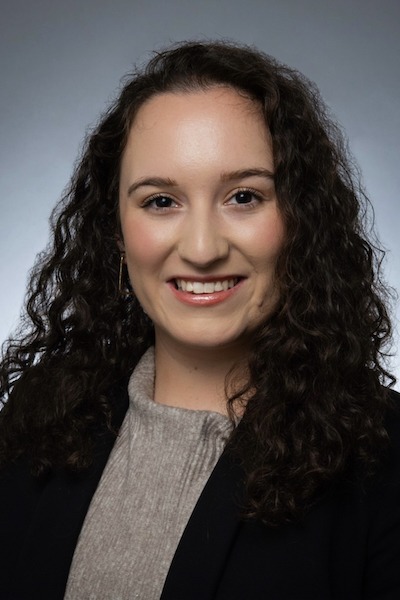
Emilia Chapa
Hometown: Fort Worth, Texas
Specialty: Family medicine
Match: Scripps Mercy Hospital, Chula Vista, California
“So happy, beyond relieved, and excited to be going to Chula Vista for residency, my No. 1 choice! After weeks of waiting and constant what-ifs, it feels like everything fell into place and affirmed that Chula Vista is the right next step!”
Why did you decide to become a physician?
When I was in college visiting family in the Rio Grande Valley, I encountered a Latina physician for the first time. Even though the interaction was brief, it showed me how powerful representation can be in transforming a patient’s experience. This inspired me to pursue medicine. I began to recognize the healing impact of compassionate primary care and the harm caused by systemic barriers, deepening my commitment to become a physician and to advocate for patients.
What is the biggest challenge you have faced in your medical education and how did you overcome it?
The biggest challenge I faced was when I was hospitalized for an unexpected acute illness during my first clerkship. I learned the importance of recognizing my limits and allowing myself to slow down. Seeing medicine from the patient’s perspective gave me a deeper understanding of how illness affects not only health, but autonomy. I learned how difficult it can be to balance being ill with the expectations of school, work, and family. That experience strengthened my commitment to preserving patients’ dignity and sense of control whenever possible. Although difficult, it shaped me into a more self-aware future doctor.
What made you choose to attend UTSW?
Growing up in the Dallas-Fort Worth area, I knew UT Southwestern had a reputation as the best in the metroplex, and I was drawn to train at an institution with such a profound impact on the medical community. I was especially excited to learn and serve at Parkland Memorial Hospital, caring for a diverse, underserved population. UT Southwestern’s opportunities and mentorship helped me grow in ways I couldn’t have imagined.
What are you most looking forward to about training and practicing in your chosen specialty?
We need so many more family doctors! Family medicine is the front line of care, where trust is built and prevention happens – something I want to be a part of. I am drawn to this field not only because of its wide scope and emphasis on prevention but also because it allows me to form meaningful, lasting relationships with patients. I’m excited about building long-term relationships with patients and supporting them in all life stages. I look forward to being a part of my patients’ stories and advocating for the best care for them every step of the way.
What are your dreams for your future career?
I hope to practice full-scope family medicine in an underserved urban community, with a focus on women’s health. I hope to care for patients while also teaching, engaging in community public health work, and advocating for policies that reduce stigma and ensure equitable access to care. Ultimately, I want to be the kind of family physician who shows up for my community in every way possible.
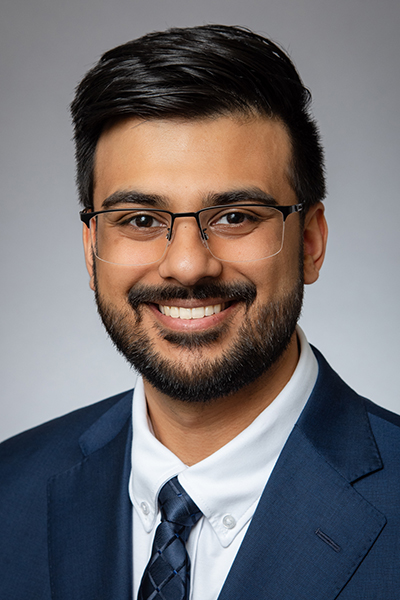
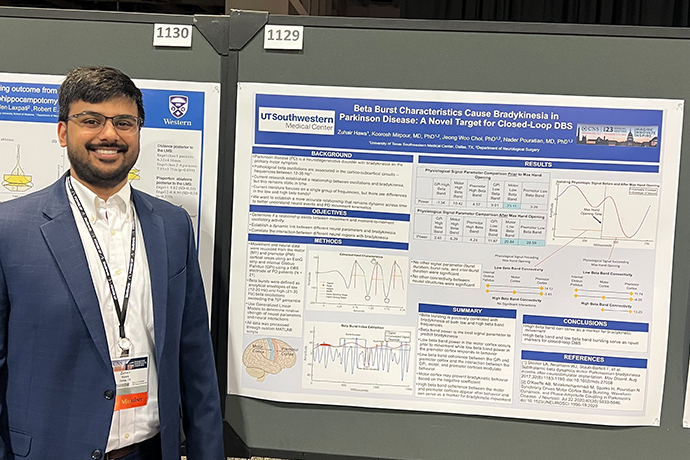
Zuhair Hawa
Hometown: Leawood, Kansas
Specialty: Neurosurgery
Match: UPMC Medical Education, Pennsylvania
“I am super excited to be going to Pittsburgh for my neurosurgery training and am honored to be joining its institution. I am thankful for all my mentors for their advice, my family, and my wife for all their support so far. I appreciate everything that UTSW has done to prepare me for Match Day and residency.”
Why did you decide to become a physician?
I was first exposed to medicine through my dad, a physician, as I watched him save lives. After gaining more experience at UT Southwestern, I discovered a deep appreciation for the direct interactions we have with patients each day. I enjoy learning their stories and making all patients feel safe and heard during their most vulnerable moments. As a physician, I aspire to comfort patients through these experiences and guide them toward healing.
What is the biggest challenge you have faced in your medical education and how did you overcome it?
Early on in medical school, I began feeling burned out. There is always another topic, another disease, another pathology to learn and understand. I realized that I needed to take a step back to prevent this from getting worse. To do this, I set a specific time in the evening to stop studying and then reviewed the additional material the next day. I would also try to schedule fun activities with my friends at least once a week. During my first year, I coached high school robotics teams to stay engaged outside of medicine. I mentored students in robot design, presentations, and competition skills. One team I coached achieved one of the most successful rookie seasons in competition history and then became captains of the finalist alliance at the world championship the following year.
What made you choose to attend UTSW?
For me, UT Southwestern was an obvious choice. During medical school, I gained strong clinical experiences working alongside world-class leaders across all medical specialties, observing how they diagnose, treat, and care for their patients. With unparalleled opportunities for mentorship, I was able to learn the art of medicine firsthand. Finally, I would have the chance to engage in cutting-edge, innovative research among internationally recognized faculty.
What are you most looking forward to about training and practicing in your chosen specialty?
I look forward to transforming lives through advanced technologies and seeing almost immediate improvement in patients with complex neurological conditions. I hope to restore dignity to patients suffering from debilitating diseases and to be the physician patients trust at their most vulnerable moments, giving them the chance to heal and regain hope.
What are your dreams for your future career?
I aspire to become a technically skilled surgeon who can make life-changing decisions – such as determining when a patient should return to the operating room – while also performing complex surgical procedures with precision. I aim to be at the forefront of brain-computer interface development – whether in an academic lab or with a medical technology company – creating devices that restore natural movement to patients who have lost it due to stroke, spinal cord injury, or the need for prosthetics.
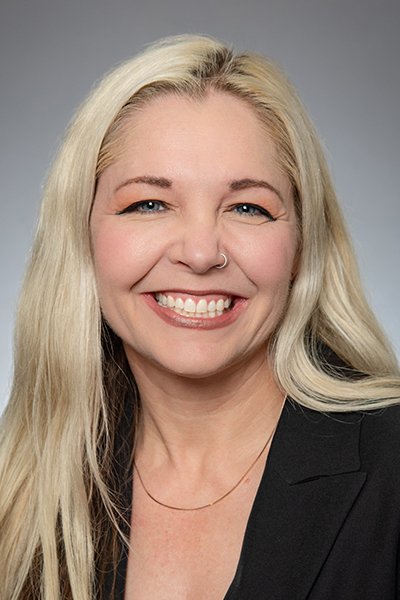
Jennie Hocking, M.P.A.S.
Hometowns: Glendale, Kansas, and Southlake, Texas
Specialty: Anesthesiology
Match: University of Alabama Hospital, Birmingham
“My daughter and I are thrilled that I’ll be training in Birmingham! Among the programs at which I interviewed, UAB stood out for its road spectrum of clinical cases and its dedication to caring for a heavily underserved and underinsured population. I’m also excited that two of my UTSW classmates are a part of my residency cohort.”
Why did you decide to become a physician?
During high school, I visited Stand-Up Harlem – Housing Works, a New York City nonprofit healing community that supports people living with HIV. The compassionate care I witnessed at the height of the AIDS epidemic was the defining experience that inspired me to pursue a career in health care.
What is the biggest challenge you have faced in your medical education and how did you overcome it?
My biggest challenge was finding self-confidence. After my trip to Harlem, I knew I wanted to pursue medical school, but I doubted my ability to make difficult decisions and feared the financial burden, which ultimately led me to choose physician assistant school instead. It was a great career, and as my experience and confidence grew, so did my desire to learn and do more. Several years ago, I reexamined what I truly wanted for my future. I valued my job, yet I was increasingly frustrated by how my limited scope of knowledge and position constrained what I could offer my patients. Around that time, I went on a hiking trip in Colorado that culminated in summiting Longs Peak. Reaching the summit gave me more than a sense of accomplishment – it restored my belief in my own capacity to take on daunting challenges. That experience ultimately gave me the confidence to return to my original path to medical school.
What made you choose to attend UTSW?
I have dedicated 18 years to UT Southwestern, which has become home to me. A month after graduating college, I began as a temporary administrative support staff member and advanced through roles as a clinical data abstractor and a surgery scheduler, and then I trained and worked clinically as a physician assistant, finally becoming an Assistant Professor in the Department of Physician Assistant Studies. Now, I’m both a medical student and student worker. I also spent several years in clinical practice at Parkland Memorial Hospital. Additionally, by attending UT Southwestern, I was able to pursue medical school without uprooting my daughter during an already significant period of change.
What are you most looking forward to about training and practicing in your chosen specialty?
So many things excite me about the field of anesthesiology. One of the coolest memories of my anesthesiology rotations was following our attending and residents as they rushed down three flights of stairs at William P. Clements Jr. University Hospital to emergently reintubate a patient in the intensive care unit. I look forward to being an actual contributing member to those emergencies. Beyond that, I wish to be a strong advocate for my patients in the operating room.
What are your dreams for your future career?
My dream job would allow me to split my time working, teaching, and conducting research at an urban academic safety-net hospital like Parkland and doing locums (temporary or short-term clinical work) at rural facilities.
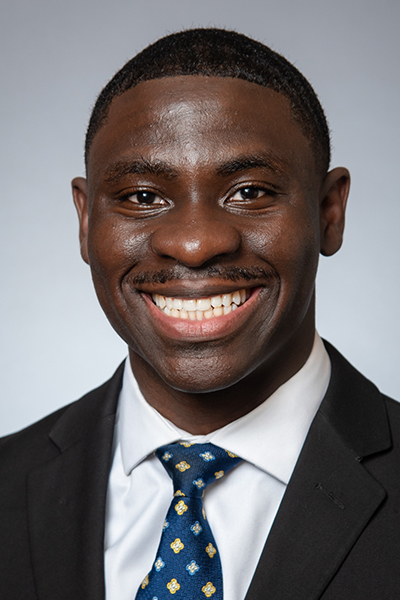
Ayomide Osunjimi
Hometowns: Lagos, Nigeria, and Lancaster, Texas
Specialty: Internal medicine
Match: UT Southwestern
“I feel incredibly grateful to have matched here at UT Southwestern. This moment carries the hopes and aspirations of every teacher, mentor, friend, and family member who believed in me, and as the first doctor in my family, standing here today is proof that dreams do come true.”
Why did you decide to become a physician?
My parents immigrated to the U.S. from Nigeria when I was 2 years old. Six years later, after years of sacrifice and saving, they were finally able to bring my younger sister and me to join them, reuniting our family. I was 8 years old when I saw my father again and hugged him for the first time after six years apart, never imagining that just four years later, I would lose him to liver cancer. We later learned that his cancer developed from an untreated liver infection that went undetected because regular medical care had been a luxury my family couldn’t afford. In college, when I learned about social determinants of health, I finally had the language to describe the silent suffering so many families endure. These experiences helped me find my calling as a physician.
What is the biggest challenge you have faced in your medical education and how did you overcome it?
I have taken countless quizzes and exams to learn about the human body. In doing so, maintaining the motivation to study day after day has been one of my greatest challenges. I overcame this by leaning on my faith, which has continually strengthened and grounded me. Since college, my mom and I have prayed before every single test, a tradition we continued throughout medical school. To every learner on their medical journey, I offer this encouragement: “Just keep swimming.”
What made you choose to attend UTSW?
UT Southwestern has long been a part of my family’s story. My youngest sister was born at UT Southwestern’s clinical partner, Parkland Memorial Hospital, and my father received his cancer diagnosis there. Parkland serves a special patient population, and I was drawn to the opportunity to learn medicine from the community that raised me.
What are you most looking forward to about training and practicing in your chosen specialty?
Internal medicine’s breadth challenges me to synthesize across organ systems and social realities to ensure that no part of a patient’s story is left behind. It positions me to serve as an advocate who treats the whole person. I look forward to caring for historically marginalized populations and dedicating my career to serving every patient, in every community.
What are your dreams for your future career?
Throughout my rotations, I was drawn to moments when providers are called upon to care for patients at their sickest. The dynamic nature of acute care, the deep exploration of pathophysiology, and the opportunity to build meaningful patient relationships drew me toward pulmonary and critical care medicine. As I begin my career, I look forward to supporting patients and families during their most difficult days, and I strive to be a physician who is worthy of their trust. Most of all, I hope my patients feel seen, understood, and cared for.
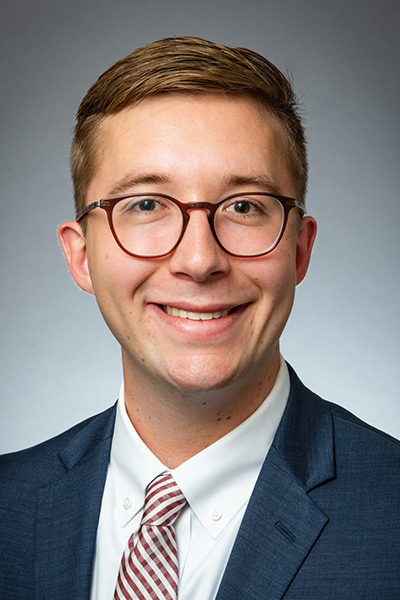
Michael Pitonak
Hometown: Tyler, Texas
Specialty: Internal medicine
Match: Duke University Medical Center, North Carolina
“I am incredibly excited to have matched to my dream program at Duke University Hospital. Such a result would not have been possible without the support of my family, my mentors, and UT Southwestern so I extend my sincere gratitude to each of them!”
Why did you decide to become a physician?
My most influential role model is my father. He embodies a selfless spirit both as a parent and as a physician. He and my mother bravely immigrated to the U.S. from the former Czechoslovakia to create a better life for themselves and their children. My father’s patients viewed him as a trusted presence – someone to laugh and cry with and lean on when difficult decisions were needed. This inspired me to support people in the same way. Beyond this, I had multiple mentors who helped me realize that dedicating my life to such a career would be an immense privilege and source of deep fulfillment.
What is the biggest challenge you have faced in your medical education and how did you overcome it?
Medical education and training are arduous study paths that require significant sacrifice, and my greatest challenge has been learning how to balance my time. My most important sources of peace and joy are centered around family, outdoors, and music. With my brother’s support, I found ways to reincorporate practices that keep me energized into my schedule and allow me to be fully present for my family, friends, and patients.
What made you choose to attend UTSW?
Growing up in East Texas, I viewed UT Southwestern as the pinnacle of cutting-edge medicine, a perception that was reinforced throughout my undergraduate education. During that time, I came to understand why UT Southwestern holds this reputation. It’s a unique institution dedicated to training clinically excellent, patient-centered physicians through education at world-class safety-net and university health systems. This mission, paired with the genuine excitement and kindness I experienced during my interview, made choosing UT Southwestern an easy decision.
What are you most looking forward to about training and practicing in your chosen specialty?
As I transition into internal medicine residency, I look forward to continuing to grow my clinical acumen and refining my practice style. I’m deeply grateful to UT Southwestern, its faculty, and its patients for helping me grow both professionally and personally. Looking ahead, I’m excited about supporting medical students and fellow trainees as they discover how meaningful a career in medicine can be and how it can serve as an instrument for good.
What are your dreams for your future career?
Each of my experiences has contributed to my personal praxis philosophy: “Scientific discovery translated into excellent clinical care delivered to patients to impart healing over pure treatment.” As I continue to refine my vision, I see fulfillment in becoming an academic internal medicine physician and, ultimately, a cardiologist. Both specialties provide the space to pursue the teaching and delivery of holistic, longitudinal care to a diverse patient population in a variety of clinical settings. I look forward to becoming a physician who listens deeply, seeks knowledge relentlessly, and walks alongside patients through every step of their journey.
COUPLE SPOTLIGHT
Becoming, together
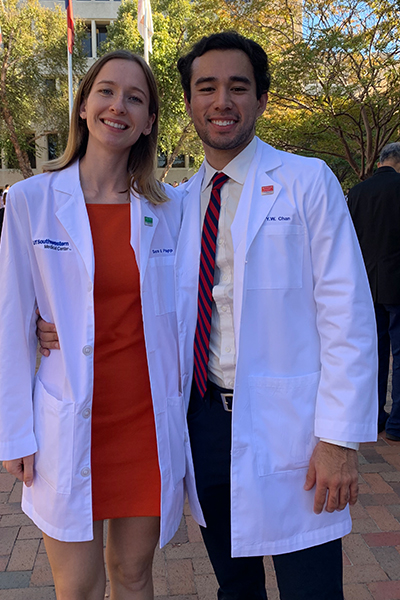
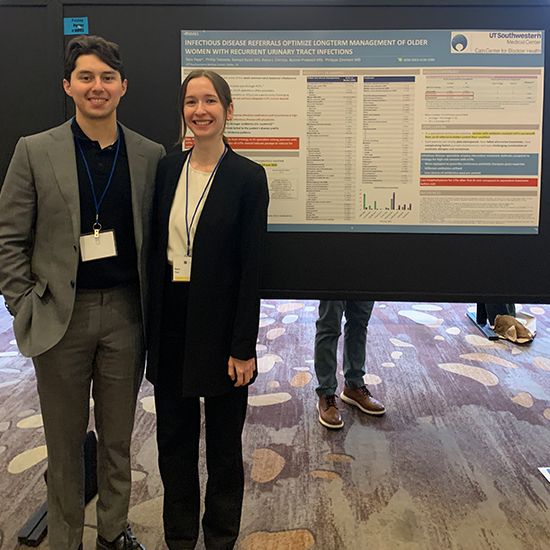
UTSW medical students Sara Papp and Peter Chan met as undergrads at the University of Pennsylvania. After graduating, they lived in San Antonio for two years before applying to medical school. After almost eight years together, they will marry in June before their residencies begin. They hope to match either at the same institution or in the same city so they can live together and support one another throughout their residency training.
“One of the biggest challenges of applying as a couple, as with any relationship, is compromise,” Ms. Papp said. “Each of us has different priorities and goals for residency training, and it can be difficult to balance those needs while identifying programs that are the best fit for us as a pair rather than as individuals.”
Mr. Chan adds: “It is invaluable to have a partner by your side who understands the unique challenges and supports you every step of the way.”
“We are thrilled to have matched together and return to the University of Pennsylvania. We are so thankful to UT Southwestern for helping set us up for success in our journey.”
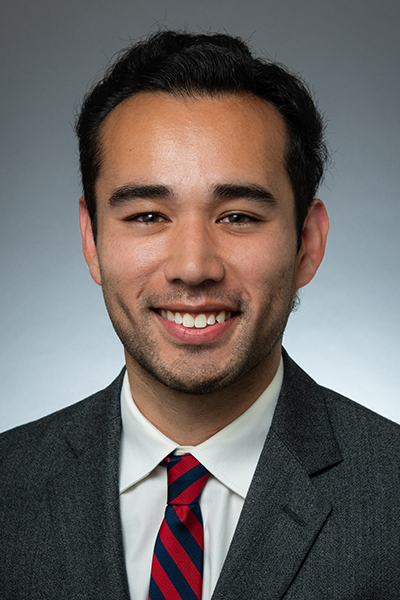
Peter Chan
Hometown: Morristown, New Jersey
Specialty: Orthopedic surgery
Match: Hospital of the University of Pennsylvania
Why did you decide to become a physician?
Both of my parents are physicians, so I have always been exposed to the field of medicine. In college, I loved my physiology class, and through clinical volunteering, I discovered how physicians can impact patient health and well-being by building strong personal relationships. I wanted to become a physician so I could connect with patients from all different backgrounds and build meaningful relationships while providing the best care possible.
What is the biggest challenge you have faced in your medical education and how did you overcome it?
Medical school is full of stressful moments, and one of the biggest challenges is the transition from the pre-clerkship curriculum to clinical rotations in the hospital and clinic. It can be overwhelming to shift from predominantly classroom-based learning to becoming an active member of the health care team caring for patients. Fortunately, I have been able to lean on Sara and my family for support and guidance in navigating these new situations.
What made you choose to attend UTSW?
UT Southwestern offered an unparalleled combination of excellent clinical training and the resources to pursue virtually any academic interest. I was particularly excited about the opportunity to learn at both a prominent community hospital and a top-notch, university-affiliated hospital. I also knew that UT Southwestern would not only support but help me thrive in pursuing my extracurricular passions for teaching, mentorship, and research.
What are you most looking forward to about training and practicing in your chosen specialty?
Orthopedic surgery is an amazing field because it allows you to make acute, definitive improvements in a patient’s quality of life. It has been incredibly rewarding to see postoperative patients in clinics who are overjoyed by their renewed ability to perform activities of daily living and pursue hobbies, even after something as straightforward as a carpal tunnel release. I also enjoy the critical thinking and problem-solving involved in caring for orthopedic pathology patients and preparing for operative cases. There is so much to learn about surgical planning and operating room setup to provide the best possible care. I am excited to immerse myself in lifelong learning throughout residency and, eventually, as an attending physician.
What are your dreams for your future career?
Outside of clinical medicine, I am passionate about education, mentorship, and research. I would love to work in an academic practice where I can teach and mentor trainees at all levels. At the same time, I value how research shapes and advances patient care. I hope to pursue a career that allows the time and resources to engage in clinical research to improve how we care for our patients.
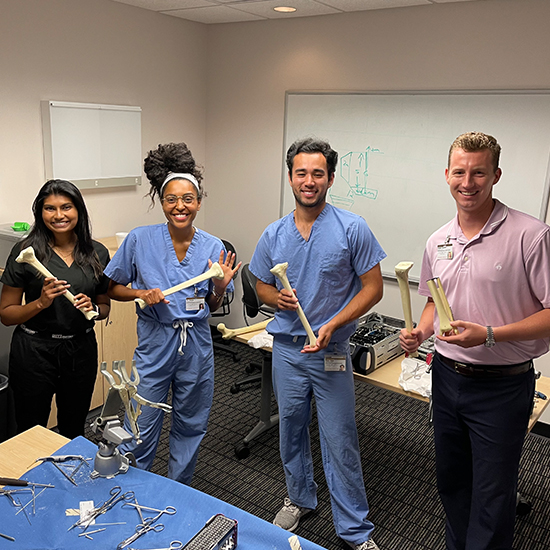
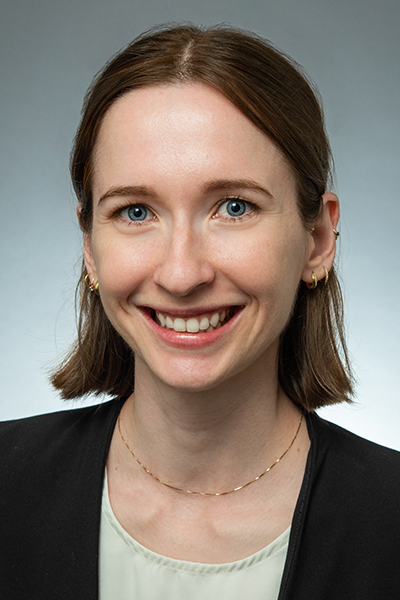
Sara Papp
Hometown: Budapest, Hungary
Specialty: Anesthesiology
Match: Hospital of the University of Pennsylvania
Why did you decide to become a physician?
I was born in the U.S., raised mostly in Hungary, and spent my childhood and teens moving back and forth between the two countries before returning to the U.S. for my final year of high school. As a result, I was exposed to different health care systems and community needs from a young age and became drawn to medicine after seeing it serve as a universal language of care in both countries. Witnessing the profound impact that physicians had on individuals and communities inspired me to pursue a career dedicated to making a meaningful, positive difference in people’s lives.
What is the biggest challenge you have faced in your medical education and how did you overcome it?
The biggest challenge I faced in medical school was building the confidence to meet its academic and clinical demands. Transitioning into this environment required trusting my abilities and learning to speak up. Being surrounded by Peter and close friends who were navigating the same issues provided constant support and made the process easier.
What made you choose to attend UTSW?
I chose to attend UT Southwestern for its outstanding academics, abundant research opportunities, and the chance to care for a diverse patient population. In addition, Peter and I were fortunate to both be accepted, which made UT Southwestern the obvious choice for us.
What are you most looking forward to about training and practicing in your chosen specialty?
I look forward to practicing medicine in real time, where careful decision-making and adaptability directly impact patient outcomes. Anesthesiology excites me because it allows me to develop highly specialized procedural skills and physiological knowledge while maintaining a broad medical foundation.
What are your dreams for your future career?
My dream is to practice anesthesiology in an academic setting where patient care, research, teaching, and mentorship remain central parts of my career. I am excited by the opportunity to contribute to advancing the field and I am open to exploring all subspecialties.