


More than a monolith: Confronting health equity in Asian populations
Annual Asian American and Pacific Islander event at UTSW addresses issues, celebrates culture

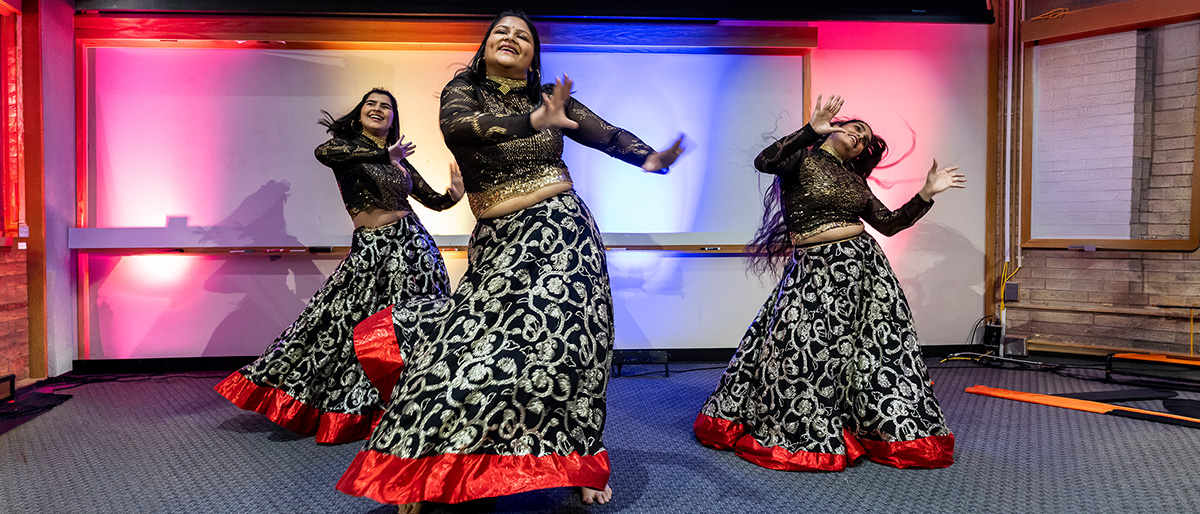
At UT Southwestern’s Asian American and Pacific Islander Heritage Month Celebration in May, cardiologist Anand Rohatgi, M.D., M.S.C.S., FAHA, FASPC, highlighted the importance of understanding the unique health needs across Asian communities and advancing more equitable, effective care that drives better health outcomes for all.
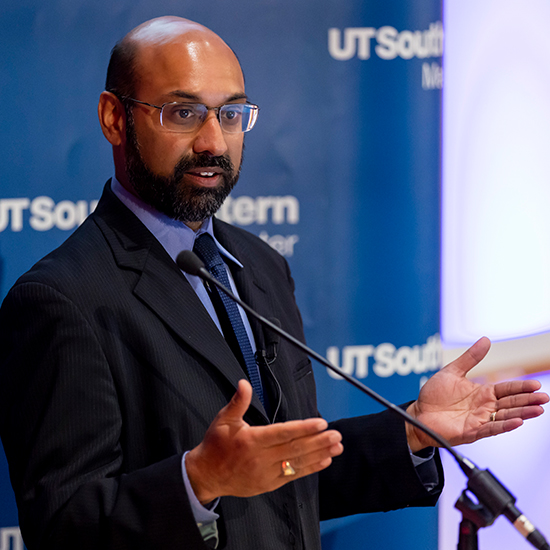
“We can all be champions – not just for Asian groups – but all groups,” said Dr. Rohatgi, Professor of Internal Medicine in the Division of Cardiology. He is also Program Director for the Cardiovascular Disease Research Pathway and UTSW’s South Asian Heart Program.
During Dr. Rohatgi’s May 27 presentation on South Campus, he discussed the difficulties of assessing cardiovascular health in Asian populations as health systems often view them collectively, obscuring significant differences in health risks among East Asian, South Asian, and Southeast Asian groups.
“Aggregated data masks critical disparities in Asian populations and can limit our ability to take care of people as cardiovascular disease risks can be subgroup-specific,” Dr. Rohatgi said.
He shared, for example, statistics that show that South Asians have a 33% increased risk of heart attack deaths and Asian subgroups have a 40% to 80% increased risk of stroke deaths compared with other groups. Southeast Asian populations also have some of the highest rates for heart failure.
“Asian groups are not a monolithic category,” he said. “When we disaggregate, we see different patterns and can be more precise in our understanding, targeting the right therapeutic approaches.”
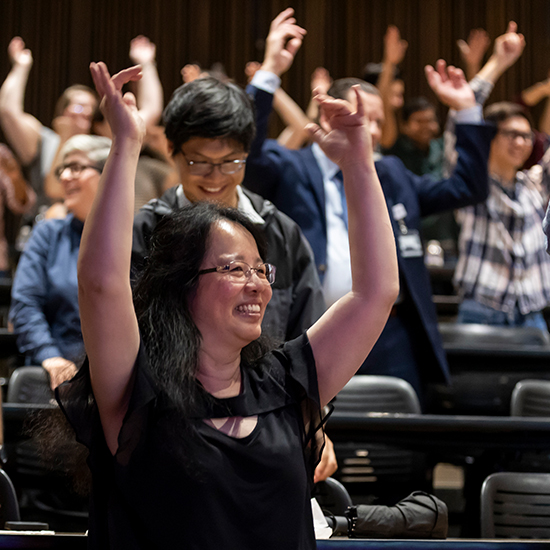
Health disparities in Asian populations can also be attributed to genetic factors, he explained. Pharmacogenomics – the study of how DNA affects the body’s response to medication – has shown genetic variants found more frequently in Asian populations can impact drug effectiveness. To combat these challenges, Dr. Rohatgi emphasized genetic testing and health monitoring through indicators such as blood pressure, blood sugar, weight, and family history. He also talked about the importance of lifestyle habits as critical factors to lower the risk of cardiovascular disease.
“Lifestyle is the foundation. Physical activity is important for Asian populations as it’s known that some Asian groups exercise less and have lower muscle mass, which can lead to cardiovascular issues,” he said. “But improving muscle mass through resistance training can combat many metabolic problems.”
The UTSW South Asian Heart Program, which Dr. Rohatgi leads, focuses on comprehensive, ethnicity-specific cardiovascular prevention and research. He emphasized the value of such programs to champion health equity and help bridge disparities in Asian populations.
“We provide culturally tailored care, conduct assessments, perform research, and enact outreach in hopes of increasing community engagement and raising awareness,” he said.
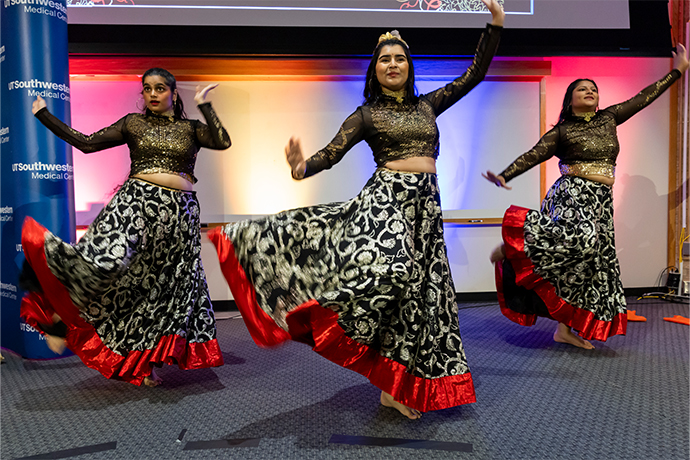
The celebration closed with a Bollywood dance performance by Ethnique Performing Arts and included a lunch reception of Indian dishes.