
2026 Article Archive
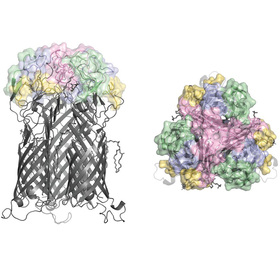
Findings could boost efforts to develop chlamydia vaccine
Scientists at UT Southwestern Medical Center, working with other U.S. researchers, have uncovered the structure of a key cell membrane protein in a bacterial model for Chlamydia trachomatis, the cause of the world’s most common bacterial sexually transmitted infection (STI).
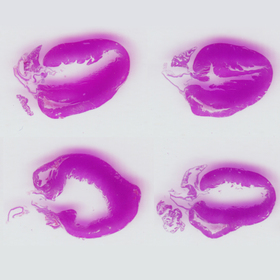
Disrupted metabolism linked to heart failure, UTSW study finds
When heart cells burn fat without normal metabolic controls, they can deplete a lipid needed to keep mitochondria functioning properly, according to a study by UT Southwestern Medical Center researchers.
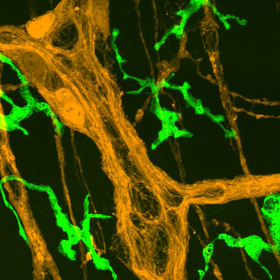
Why eating in the middle of the night can be a gut punch
Eating when the body is normally asleep appears to desynchronize the circadian clocks of different cell types in the intestines, a UT Southwestern Medical Center study suggests.
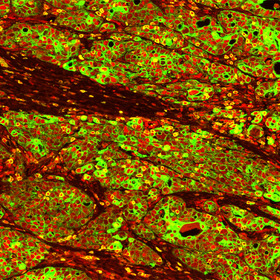
Ovarian cancer cells use stress hormone signaling to shut down immune system
When activated in ovarian cancer cells, the receptor for the body’s primary stress hormone alters the tumor environment in ways that blunt immune response, according to new research led by UT Southwestern Medical Center.
Human cells can exchange genomic DNA that alters cell behavior
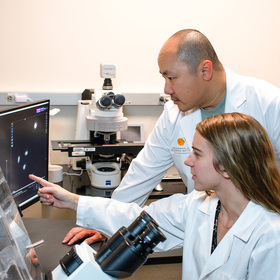
Scientists at Children’s Medical Center Research Institute at UT Southwestern (CRI) have discovered that large pieces of DNA can transfer directly between human cells, and the DNA can persist and change how the recipient cell functions.
Protein coordinates responses to environmental stress
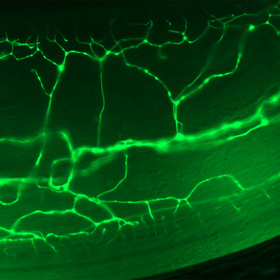
UT Southwestern Medical Center researchers have discovered a key molecular mechanism that allows animals to adapt to changing environmental conditions without altering their genes – an ability known as phenotypic plasticity.

Persistent hunger may be behind weight regain after loss
Weight that was regained after it had been lost may be the result of persistent, biologically driven hunger, according to a study led by a UT Southwestern Medical Center researcher.

AI-powered electrocardiogram detects early signs of heart failure
Interpreting relatively inexpensive electrocardiograms (ECGs) with an artificial intelligence (AI) algorithm accurately screened patients for a key precursor of heart failure in Kenya, a study led by UT Southwestern Medical Center researchers shows.
UTSW molecular biologist Benjamin Sabari, Ph.D., to receive Pershing Square Sohn Cancer Prize
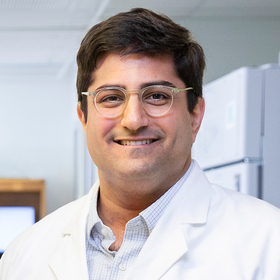
Benjamin Sabari, Ph.D., Assistant Professor in the Cecil H. and Ida Green Center for Reproductive Biology Sciences and of Molecular Biology at UT Southwestern Medical Center, has been selected for a 2026 Pershing Square Sohn Cancer Prize.
Unmasking autism spectrum disorder through its gene-based roots
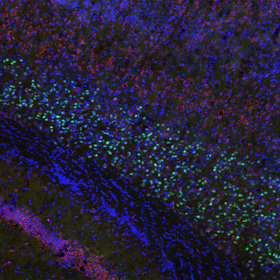
Two studies led by the Chahrour Lab at UT Southwestern Medical Center shed new light on genes associated with autism spectrum disorder (ASD), the neurodevelopmental disease characterized by impaired communication, abnormal social interactions, and restricted, repetitive behaviors.