
Research
Clinical Research
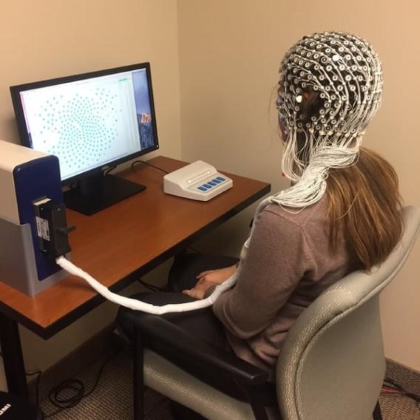
We engage in a broad range of clinical research studies in psychiatry and psychology, comprising diverse approaches, such as:
- Brain imaging
- Interventional psychiatry
- Investigations of neurobiological and neuroendocrine processes
- Pharmacology
- Psychotherapeutic treatments
Our intervention and services research examines which treatments and in what order or combination are safe, effective, or indicated for various mental disorders, including studies to establish which policies, practices, or procedures are most cost effective or produce the best outcomes.
Our researchers are certified by the American Board of Psychiatry and Neurology and the American Psychological Association, with clinicians in nursing and social work also as key team members.
Psychiatry Neuroscience

We study the basic neurobiology underlying mental illness and promote translation of basic research findings into novel approaches for therapeutic treatment of people with mentally illness. We are researching the fundamental processes controlling brain function at the molecular, genetic, and cellular levels, focusing on abnormalities in various neuropsychiatric disorders. Current studies are investigating:
- How alterations in genes, gene expression, signal transduction pathways, and neuroplasticity contribute to mental illness, including schizophrenia, autism, depression, anxiety, and addiction
- How brain circuit-specific pathways regulate complex behavior, including learning and memory, mood, and motivation
We make prominent use of transgenic mouse models, viral mediated gene transfer, DNA/RNA profiling, protein biochemistry, and optogenetics and integrate molecular-, cellular-, and systems-level investigation with sophisticated animal models of specific disorders.
Center for Depression Research and Clinical Care
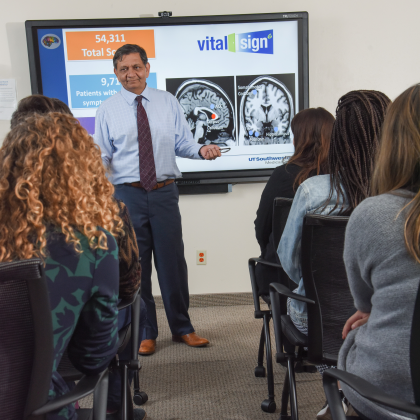
We are nationally recognized for our cutting-edge research in unipolar and bipolar depression. Our research brings better understanding of the causes of depression, identifies effective new treatments, and improves existing ones.
We strive to build bridges to mental health and wellbeing for our Texas community and beyond.
Our 5 core objectives:
- Partner with the community to make depression treatment mainstream
- Teach resilience to empower prevention
- Train the trainers
- Blend patient experience with data and metrics to guide treatment and progress
- Develop biomarkers to improve existing treatments and create new ones
Clinical Research Infrastructure

The CRI integrates training and resources to develop new investigators, further the research of established faculty, and provide a comprehensive system for clinical research faculty development and support, with a special focus on junior investigators. Participants exchange ideas and research hypotheses and receive feedback from a wide range of viewpoints on research data and ideas that will supplement and expand upon feedback from mentors. The CRI facilitates psychiatric and neurocognitive assessment trainings for all levels of research staff, plus training on diagnostic and symptom assessment tools and biomarkers and sessions on the grant and manuscript review process.
- Administrative Support
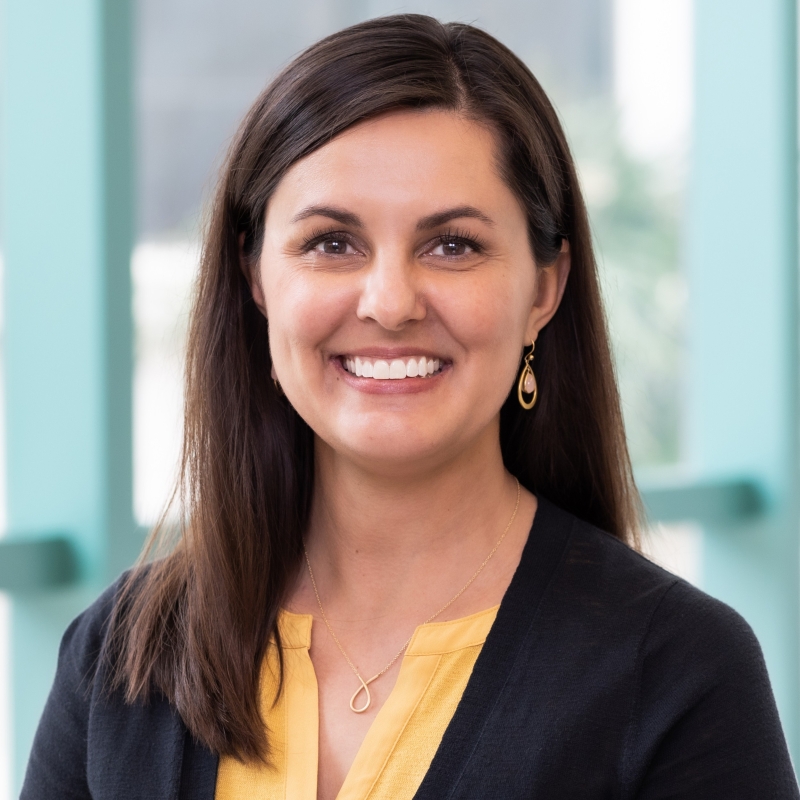 Mariam Andersen, M.A., CCRP, is the Assistant Director of the Clinical Research Infrastructure in the Department of Psychiatry, partnering with faculty, staff, and institutional leaders to strengthen our department’s clinical research infrastructure, promote collaboration, and support innovation across our diverse research programs.
- Financial review
- Credentialing
- Manuscript preparation*
- Travel
*Please allow 1 week for submission.
- Grant Preparation
- Quarterly grant pre-review sessions
- Budget development and justification review
- UT Southwestern and sponsor submission
- Consortium/subcontract agreements
- Document assemblage
- Liaison to Sponsored Programs Administration (SPA)
In order to guarantee resource availability, we require at least 6 weeks notice prior to the grant submission deadline.
- Data Management
- Project setup and implementation for research studies and clinical trials
- Data management (data entry, data review, data cleaning, database design, and data storage)
- Use of the defined database management system to construct a functional electronic interface based on the database definitions
- Construct procedural manuals and data dictionaries related to raw data files and analytical data files
- Train study personnel in the use of the electronic database management system interface
- Assist with preparation of reports and professional presentations
- Statistical Support
- Statistical consultation on grant applications, reports, and scholarly publications including sample size, design, and statistical methods
- Data analysis of completed studies (not included in the statistical consultation)
For additional information, including direction on how to cite CRI support, or for a list of resources, please contact us (Email).